  1. Home
  2. Phones
  3. Emerging Tech
  4. Mobile
  5. News

Israel seeks treasure trove of sensitive phone data to track coronavirus cases

Add as a preferred source on Google

The Israeli government is looking to use a secret trove of people’s cellphone data to decide who should be quarantined based on if they crossed paths with someone who has the coronavirus, officially known as COVID-19. 

Recommended Videos

The New York Times reports that the classified dataset that would be used is normally meant to combat terrorism. Prime Minister Benjamin Netanyahu authorized the move on Sunday, March 15, but Israel’s Parliament’s Secret Services Subcommittee still has to vote to approve the use of this top secret data. 

“The idea is to sift through geolocation data routinely collected from Israeli cell phone providers about millions of their customers in Israel and the West Bank, find people who came into close contact with known virus carriers, and send them text messages directing them to isolate themselves immediately,” the Times’ report reads. 
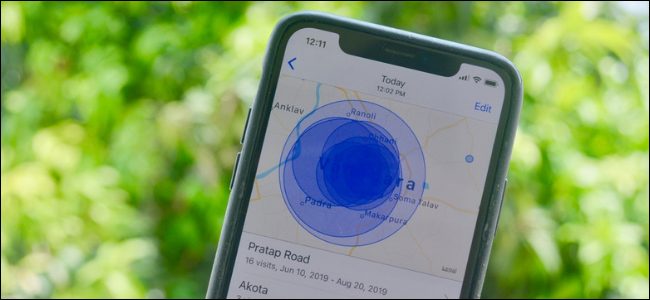
Location Tracking Visualization
Image used with permission by copyright holder

Israel reportedly only has about 250 confirmed cases of the coronavirus, but thousands have been placed in isolation, reports Haaretz, an Israeli newspaper. Though the use of cell phone data to track cases could end up in lower coronavirus numbers for the country, the practice of doing so does raise privacy concerns. 

Governments using people’s cell phone location data is unfortunately nothing new, and even here in the U.S., federal agencies use location data for immigration enforcement, according to the Wall Street Journal. 

Israeli health experts told the New York Times that using the dataset from citizen’s cell phones is meant to help save lives and prevent a dire situation like what is going on in Italy and Spain, in which the entire countries are on lockdown. 

Last week, the World Health Organization (WHO) officially declared the COVID-19 outbreak a pandemic. In total, there have been more than 174,990 confirmed cases of the coronavirus worldwide, and 6,706 confirmed deaths, according to an online dashboard that tracks cases. The virus is believed to have originated in Wuhan, China, but there have been confirmed cases in the U.S., Australia, Canada, Japan, France, Germany, and dozens of countries around the globe.

Here in the U.S. events are being canceled or postponed left and right across the country amid the coronavirus outbreak, including South by Southwest in Austin, E3 2020 in Los Angeles, the New York Auto Show, Google’s I/O Conference in San Jose, California, and many more. Schools have also closed across the country, and many of America’s workforce has resorted to working from home for the foreseeable future. 

Allison Matyus
Former Digital Trends Contributor
Allison Matyus is a general news reporter at Digital Trends. She covers any and all tech news, including issues around social…
WWDC 2026: iOS 27, Siri AI, Apple Intelligence upgrades, and everything else
Apple stopped making promises at WWDC 2026 and started delivering: Siri AI, six OS updates, and Cook's farewell.
WWDC 2026 poster

Unlike most years, Apple’s WWDC 2026 carried more weight than usual, not just because it was Tim Cook’s final keynote as CEO, but also because it represented Apple’s chance at redemption after missing deadlines, mounting questions, and criticism about its ability to keep pace in the AI race. 

Fortunately, Apple answered many of those questions on June 8, 2026, unveiling an upgraded AI-powered Siri alongside a range of new Apple Intelligence features, while also raising a few fresh questions. WWDC was packed with announcements across six operating systems that underpin Apple’s ecosystem of devices. 

Read more
iOS 27 offers the clearest sign that a foldable iPhone is right around the corner
Resizable iPhone apps may be Apple’s first step toward a foldable iPhone
iPhone Ultra

Apple’s WWDC 2026 event was packed with major software announcements, including its new Siri AI experience, expanded child safety tools, and the latest operating system updates for its phones, Macs, and iPads. It was only a matter of time before someone dug out something interesting from the new software, and developer Sam Henri Gold might have just found the biggest clue yet that Apple is planning to launch a foldable iPhone soon.

iOS 27 is quietly preparing apps for a foldable future

Read more
Smartphones are to blame for declining birth rates, as studies highlight the iPhone’s role
Two new papers link smartphone adoption to falling birth rates in the US and across 128 countries, though some economists say the case remains unproven.
Electronics, Mobile Phone, Phone

The timing has long raised questions. Birth rates in the US and dozens of other countries began falling in 2007, the same year Apple put the first iPhone on sale. Two new academic papers, highlighted by The New York Times, now argue that the overlap is not a coincidence.

What the research found

Read more