  1. Home
  2. Wearables
  3. News

Meta denied face scanning tech on AI smartglasses, and then silently wiped the evidence

Meta’s face-recognition history returns to haunt its AI smart glasses ambitions

Add as a preferred source on Google
Meta Ray-Ban Gen 2 Smart Glasses
Meta Ray-Ban Gen 2 Smart Glasses Meta

Meta’s smart glasses privacy problem has taken another turn. After WIRED found inactive face-identification references inside the Meta AI app, the same code has now reportedly vanished in a follow-up app update.

Meta’s smart glasses app carried traces of face-ID work

The code was reportedly connected to an internal effort called “NameTag.” WIRED found that the system was not switched on for users, but its presence suggested Meta had gone beyond a loose concept and had started testing how face identification might work inside its smart glasses ecosystem.

Recommended Videos

According to WIRED, the dormant system appeared to process faces into on-device identifiers that could be matched with previously saved information. That is still different from a public launch of facial recognition on Ray-Ban Meta smart glasses, but it shows why the discovery has drawn attention.

The issue is more sensitive because this was not hidden in a research demo or developer-only build. It surfaced in the app ordinary smart glasses owners interact with. For a camera-equipped wearable meant to be worn in public spaces, even inactive face-recognition references are enough to raise questions about consent and how much users actually know about what is being tested behind the scenes.

Civil rights groups were already sounding the alarm

This was not the first warning sign around Meta’s smart glasses ambitions. It was previously reported that civil rights groups were unhappy about Meta’s reported plans to bring facial recognition to its AI glasses. Civil rights advocates argued that a feature capable of identifying people through wearable cameras could create privacy risks for bystanders who never agreed to be scanned, while also expanding the reach of surveillance in everyday public settings.
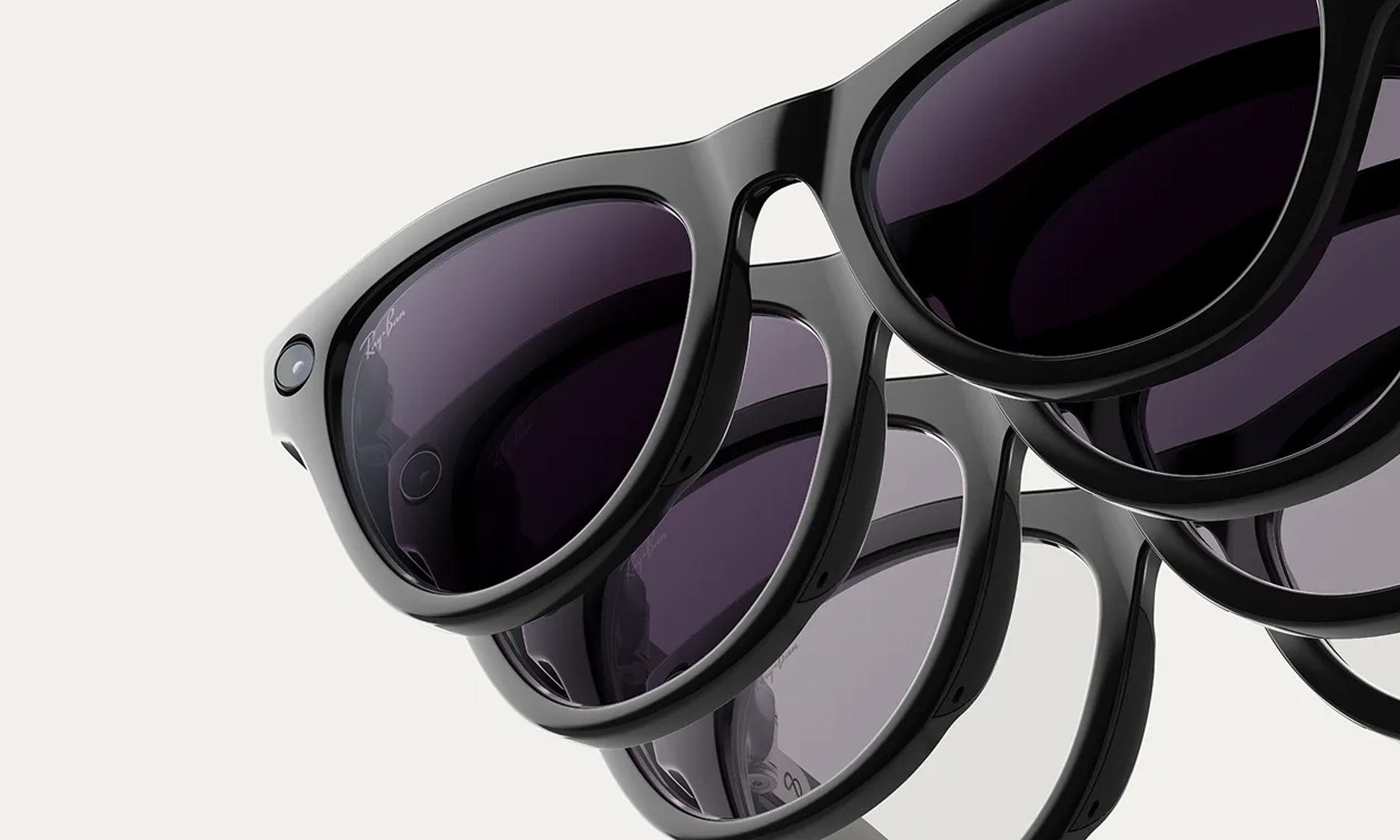
That concern has only grown sharper after the code removal. Meta communications executive Andy Stone told WIRED that the feature was part of a pilot and that the company had not decided whether to use it. That may explain why the feature was not live, but it does not answer why face-ID code appeared in an app built for regular smart glasses owners.

Meta’s history with the technology also makes this harder to brush aside. In 2021, Facebook said it was shutting down its face-recognition system and deleting facial recognition templates for more than a billion users, citing privacy and regulatory concerns. The latest report does not prove facial recognition is coming to Meta glasses soon. But when dormant face-ID code appears in a consumer app and then disappears after being reported, it becomes harder to treat Meta’s interest as purely theoretical.

Sudhanshu Kumar Mangalam
I’ve got about 4 years of experience, mostly covering gaming, PC hardware, and smartphones. In my free time, I like…
RingConn Gen 3 Smart Ring Reveals the Hidden Patterns of Everyday Wellbeing
To get a closer look at the hidden connections between sleep, stress, and recovery that we so easily overlook
Accessories, Jewelry, Ring

Most people do not just wake up one day and suddenly realize they’re completely burnt out. More often than not, they are unaware of rising stress, poor recovery, or just how much inconsistent sleep has begun to chip away at their health. A restless night here, an extra coffee there, and a stressful workweek somehow turn into a stressful month.

The trickiest thing about a modern lifestyle is that its toll rarely arrives all at once. Instead, it creeps up gradually, building quietly through broken sleep cycles and a daily routine that leaves no room to slow down.

Read more
WWDC 2026: iOS 27, Siri AI, Apple Intelligence upgrades, and everything else
Apple stopped making promises at WWDC 2026 and started delivering: Siri AI, six OS updates, and Cook's farewell.
WWDC 2026 poster

Unlike most years, Apple’s WWDC 2026 carried more weight than usual, not just because it was Tim Cook’s final keynote as CEO, but also because it represented Apple’s chance at redemption after missing deadlines, mounting questions, and criticism about its ability to keep pace in the AI race. 

Fortunately, Apple answered many of those questions on June 8, 2026, unveiling an upgraded AI-powered Siri alongside a range of new Apple Intelligence features, while also raising a few fresh questions. WWDC was packed with announcements across six operating systems that underpin Apple’s ecosystem of devices. 

Read more
L’Atitude 52°N Smart Glasses That Don’t Scream “Tech”
Intelligent Tech, blending with style that stays out of your way
Accessories, Sunglasses, Face

There is a quiet shift in how we experience daily life. In an era of constant notifications and digital noise, our devices shouldn’t compete for our attention. They should rather blend into our rhythm. We want to capture, share, and remember more without reaching for a screen every single minute.

Modern technology is constantly bridging the gap between documenting the moment and actually living in it, moving away from bulky and distracting hardware toward invisible integration. L’Atitude 52°N embodies this evolution. It is more than just another smart wearable that sits on your face and overwhelms the senses. It's where intelligent technology finally fades into the background.

Read more