

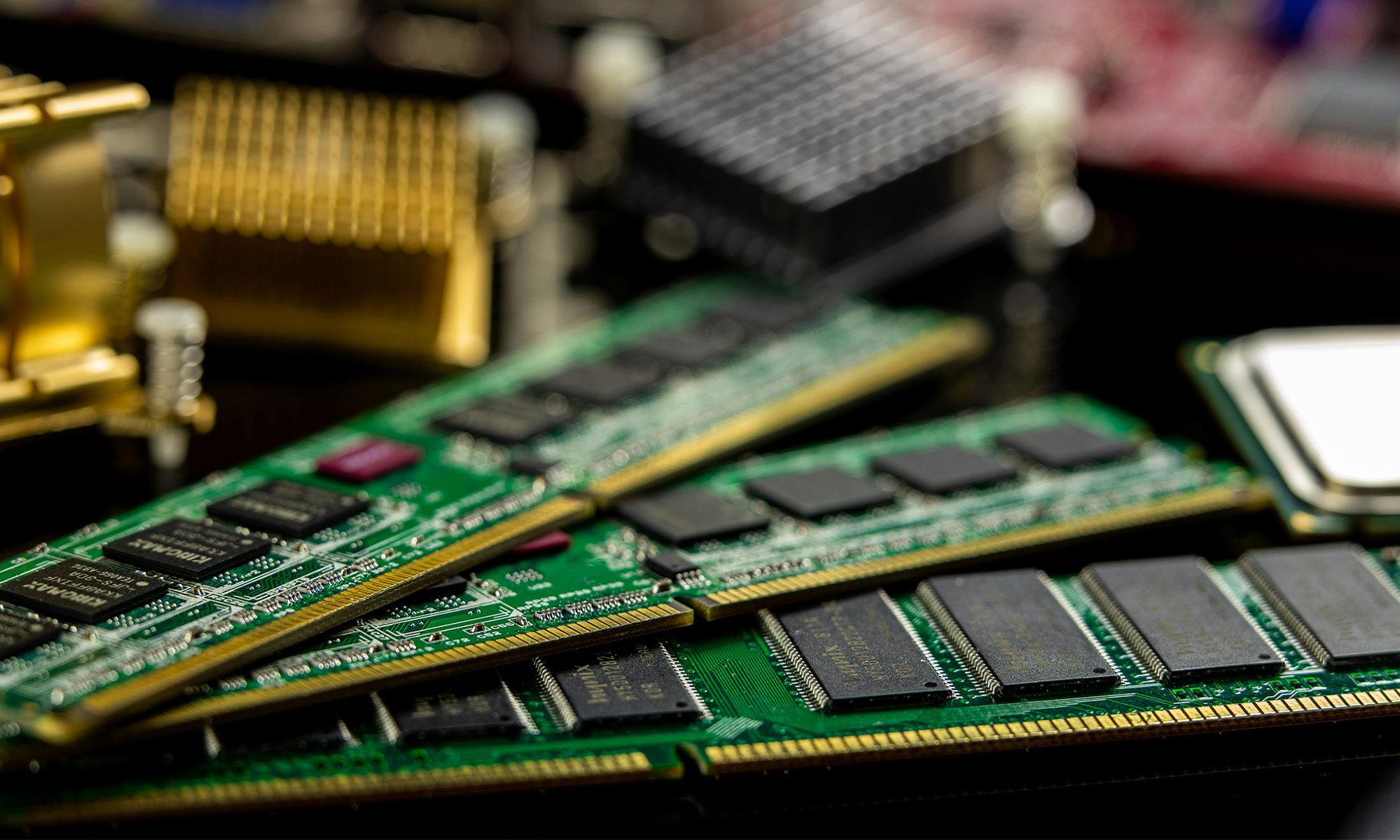
After months of painfully expensive RAM and SSD prices, the memory market may finally be showing signs of pressure from an unexpected direction: China. New reports suggest that Chinese memory manufacturers are rapidly expanding production of DRAM and NAND chips, and that major hardware brands are starting to take notice. The most notable example so far is Corsair, which has reportedly tested DDR5 memory modules using chips from Chinese DRAM giant ChangXin Memory Technologies, better known as CXMT.
This feels inevitable. Memory prices have remained frustratingly high across PCs, laptops, and storage devices for months. So when Chinese suppliers began offering RAM at nearly half the cost of some global competitors, manufacturers were always going to at least explore the option. According to market reports, some CXMT DDR5 modules are reportedly being sold near the $150 range, while equivalent products from larger global suppliers can hover between $300 and $400.

China’s memory push is suddenly becoming very real
CXMT is no longer some tiny experimental player in the background. The company has reportedly grown to control nearly 8% of the global DRAM market while aggressively ramping up DDR5 production. At the same time, Chinese NAND maker Yangtze Memory Technologies (YMTC) has become a major force in flash storage, with estimates placing its global NAND market share at 11%-13%.
That scale matters because memory pricing is incredibly sensitive to supply. Once cheaper chips start entering the ecosystem in meaningful quantities, global brands gain leverage. Even if companies do not fully switch suppliers, the mere existence of lower-cost alternatives can pressure established players into lowering prices.
Cheap RAM still has to prove itself
But that does not mean Chinese memory is about to walk in and replace Samsung, SK hynix, or Micron overnight. Cheaper RAM is one thing, but matching the performance consistency, silicon quality, production maturity, and long-term reliability of the big three is the real test.
Corsair’s reported test gives CXMT some credibility. But it is still just a starting point. One DDR5 kit does not suddenly put Chinese memory on the same footing as Samsung, SK hynix, and Micron. For PC makers, module speed is only one part of the story. Stability, firmware behavior, compatibility, warranty risk, and predictable supply all matter just as much.
Scale may be the real problem
Even if CXMT can make DDR5 that looks competitive on paper, the harder challenge is scale. The company still needs to prove that it can produce enough good silicon, at high enough yields, for long enough, to become a meaningful alternative.
A few cheaper modules can annoy Samsung and SK hynix. A reliable, high-volume supply chain is what will actually change the market. If yields are not strong enough, cheap pricing may not translate into stable global availability. And if reliability is not proven, major PC brands may use Chinese memory mainly as a bargaining chip rather than a full-fledged alternative.
The chip war could get in the way
Then there is the U.S.-China chip war hanging over all of this. Washington has already gone after China’s access to advanced chipmaking tools, HBM, and other parts of the semiconductor supply chain. YMTC is on the U.S. Entity List, and CXMT has also been pulled into the wider export-control fight.

So, even if Chinese RAM becomes a serious option, it may not stay under the radar for long. Memory is too important to the PC industry, and Trump has already shown he is willing to turn Chinese tech into a trade-war target.
Don’t expect dirt-cheap RAM overnight
All things considered, this probably will not instantly “fix” the memory market. Performance consistency, reliability, certifications, firmware stability, and long-term supply agreements still matter enormously for PC makers and enterprise buyers. Established suppliers like Samsung, SK hynix, and Micron Technology still dominate those relationships.
But the pressure is building. If Chinese firms continue expanding production faster than demand grows, especially outside the AI server boom, consumers could finally start seeing more affordable RAM kits, SSDs, and laptops again. Just maybe not as quickly as everyone hopes.


