  1. Home
  2. Computing
  3. News

Digital Trends may earn a commission when you buy through links on our site. Why trust us?

HP’s new RTX 5070 laptop feels like the sweet spot between thin and bulky

The new HyperX Omen 15 combines AMD and Intel and targets portability without fully sacrificing performance.

Add as a preferred source on Google
HP HyperX OMEN 15 Gaming Laptop
HP

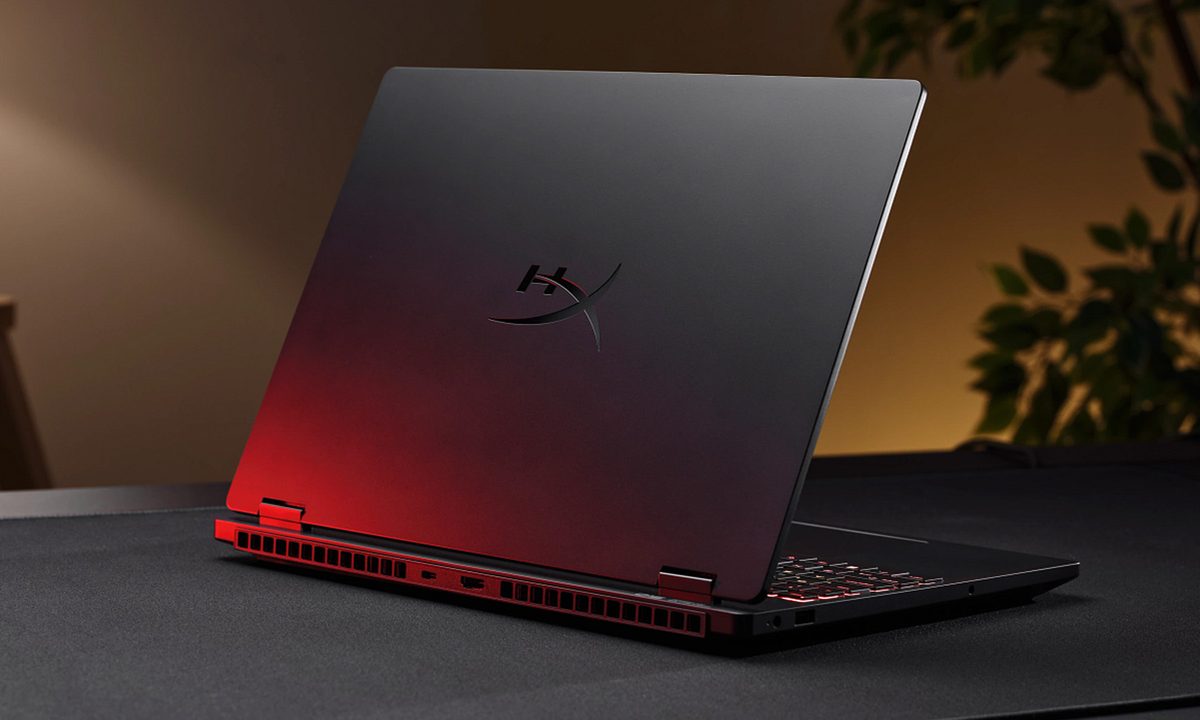
Modern gaming laptops have largely drifted toward two extremes lately: massive 16-inch and 18-inch desktop replacements, or ultra-compact 14-inch machines that still feel slightly cramped for serious gaming sessions. That’s exactly why HP’s new HyperX Omen 15 feels refreshing, because it brings back the familiar 15-inch gaming laptop formula with a chassis that still feels portable without sacrificing proper gaming hardware underneath.

HP’s compact HyperX Omen 15 packs RTX 5070 graphics with AMD and Intel options

The new HyperX Omen 15 comes with either Intel Core Ultra 7 356H and Core Ultra 9 386H processors or AMD Ryzen 7 8745HX and Ryzen 9 8945HX chips, depending on the configuration. All current US variants pair those CPUs with RTX 5070 laptop graphics, up to 32GB DDR5 memory, and PCIe Gen5 SSD storage.
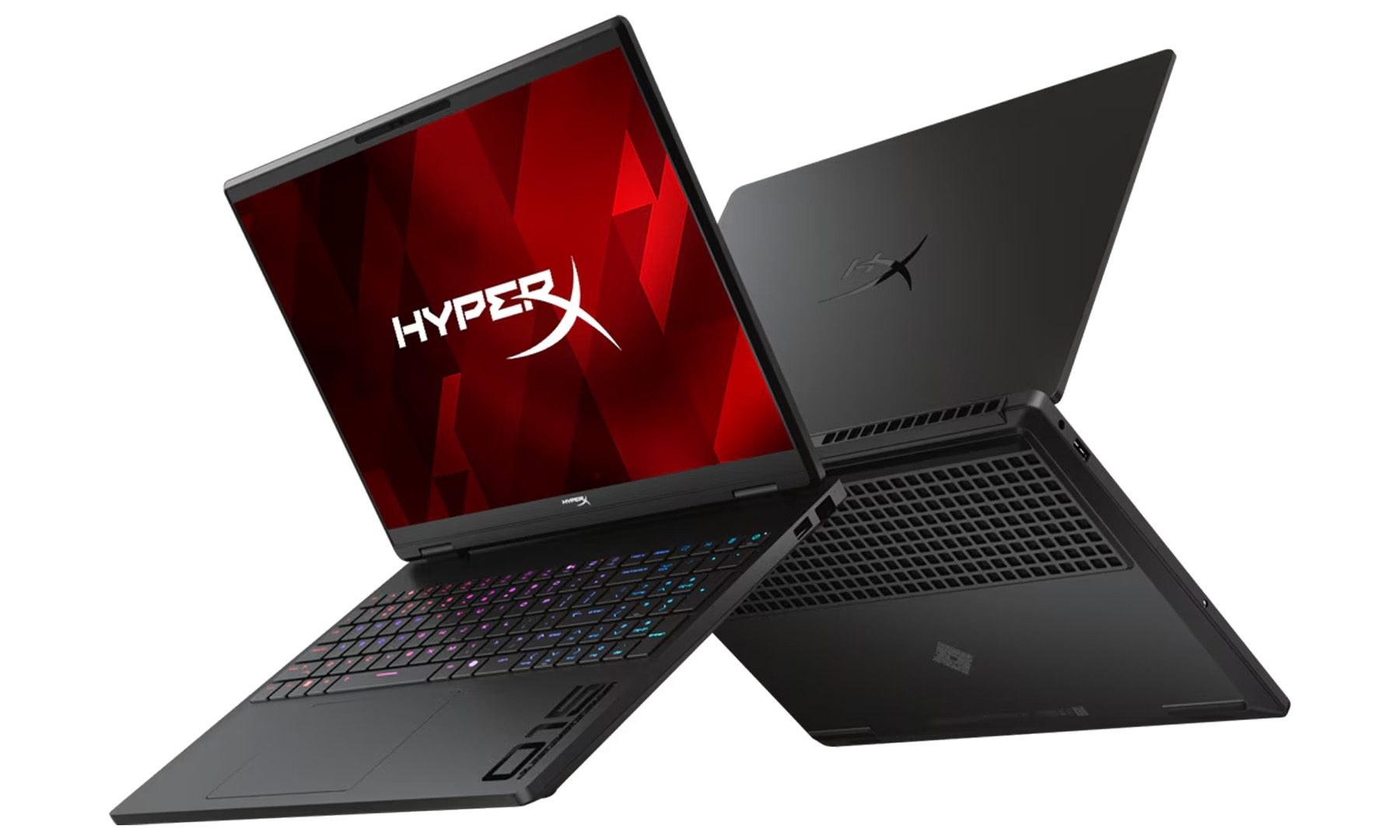
HP is also leaning heavily into the compact premium-gaming angle here. The laptop features a 15.3-inch 16:10 display with a 1600p IPS panel with a 180Hz refresh rate and 500 nits brightness. However, users can upgrade the laptop to a 2.8K OLED panel at 120Hz, with a peak brightness of around 1,100nits with HDR.

Recommended Videos

Interestingly, this machine feels positioned right between HP’s larger Omen 16 lineup and ultra-portable options like the Omen Transcend 14. In other words, the classic “middle child” gaming laptop category that used to dominate the market before manufacturers became obsessed with extremes.

The 15-inch gaming laptop is suddenly cool again

While a 15.3-inch display might not sound dramatically bigger than a modern 14-inch gaming laptop on paper, that slightly larger footprint should open the door for meaningful improvements elsewhere. A bigger chassis usually means better thermals, more breathing room for higher GPU wattages, and potentially lower fan noise during gaming sessions, which honestly matters far more than shaving off a few millimeters from the design.
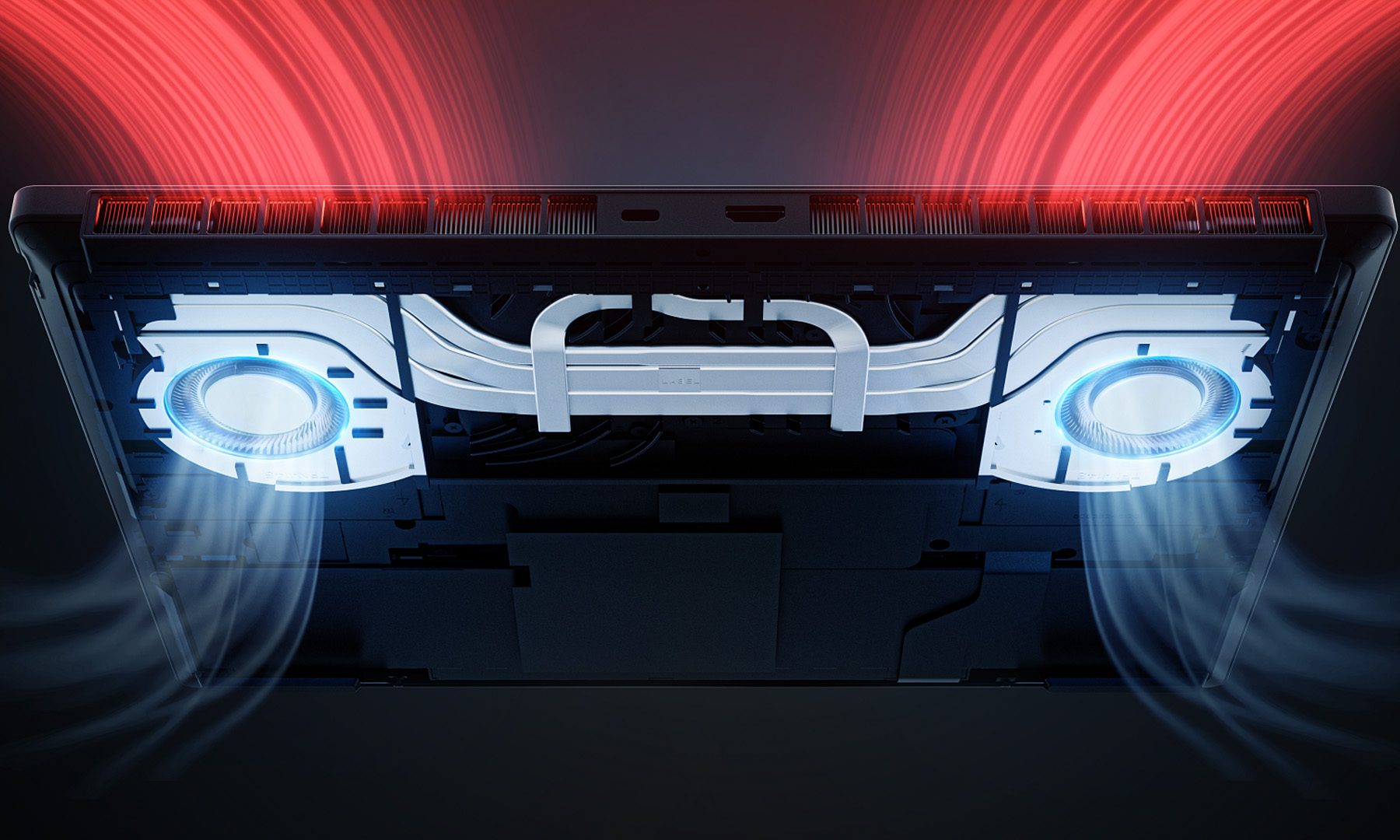
Then again, at around 5.34 pounds, this is not exactly an ultra-portable machine either. But it still feels far more manageable than the oversized 16-inch and 18-inch gaming laptops dominating the market right now. Interestingly, HP seems to be keeping the new Omen 15 limited to North America for now, which suggests the company may specifically be targeting mainstream US gamers who want strong RTX 5070 performance without carrying around a desktop replacement disguised as a laptop.

Varun Mirchandani
Varun is an experienced technology journalist and editor with over eight years in consumer tech media. His work spans…
Corsair is putting Chinese RAM in mainstream market. It won’t quite end the crisis though
A cheaper DDR5 supplier could shake up the market, but it is not a magic fix
Samsung DDR4 RAM in hand

After months of painfully expensive RAM and SSD prices, the memory market may finally be showing signs of pressure from an unexpected direction: China. New reports suggest that Chinese memory manufacturers are rapidly expanding production of DRAM and NAND chips, and that major hardware brands are starting to take notice. The most notable example so far is Corsair, which has reportedly tested DDR5 memory modules using chips from Chinese DRAM giant ChangXin Memory Technologies, better known as CXMT.

This feels inevitable. Memory prices have remained frustratingly high across PCs, laptops, and storage devices for months. So when Chinese suppliers began offering RAM at nearly half the cost of some global competitors, manufacturers were always going to at least explore the option. According to market reports, some CXMT DDR5 modules are reportedly being sold near the $150 range, while equivalent products from larger global suppliers can hover between $300 and $400.

Read more
Orbot Robotics’ space robot has four arms, but its Goro physique has a purpose
This four-armed robot could make routine space-station work easier for astronauts
Robot with four arms

Helios is a new four-armed robot from Zurich-based Orbit Robotics, and at first glance, it reminded me of Goro from Mortal Kombat. But unlike the prince from Outworld, Helios is not built for combat. It is designed to help astronauts on space stations with the repetitive, time-consuming work that keeps life in space running.

Orbit Robotics says that in microgravity, legs are not much help. Instead of walking or standing, Helios needs to move through tight station interiors, hold itself steady, and handle cargo, tools, or equipment. Its four-arm design turns extra limbs into both mobility aids and working hands.

Read more
This “normal” USB cable secretly wants to be a hacking tool
Imagine borrowing a charging cable and accidentally starting a cybersecurity audit
Hacknect

At first glance, it looks like a regular USB cable. But a new Kickstarter project called Hacknect is trying to turn something as ordinary as a charging cable into a surprisingly powerful hacking and automation device. The product is being pitched toward ethical hackers, cybersecurity researchers, developers, and automation enthusiasts. Hidden inside the cable is a tiny Wi-Fi-enabled computer powered by an ESP32-S3 chip, allowing it to do far more than simply charge a phone or transfer files.

According to the Kickstarter campaign, Hacknect can remotely execute scripts, automate tasks, emulate keyboard inputs, and even store hidden files through a built-in microSD card slot. Users can reportedly control the cable wirelessly through a browser dashboard or smartphone.

Read more