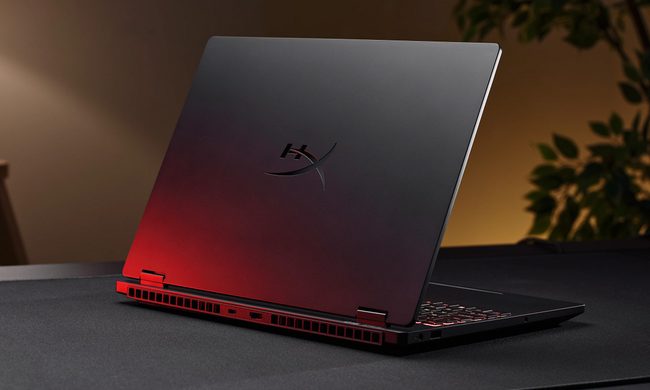
For a long time, the laptop buying advice was simple enough. Windows had a more versatile portfolio that brought you affordable, mid-range, high-end, and even gaming options, while MacBooks were known as the easy premium recommendation.
But owing to the pricing circus caused by memory shortages and component price hikes, the equation makes no sense anymore.
Apple has always had an aspirational pull with its products, including the Mac. The appeal was the sleek hardware, the tighter software experience, and an ecosystem that makes you feel comfortable after getting in. Pricing was the one aspect that pushed people back towards Windows. Don’t get me wrong, Windows does have its strong points. But for many people, the argument was always the same. The Mac is nice, but look at what you can get on the PC side for less money.
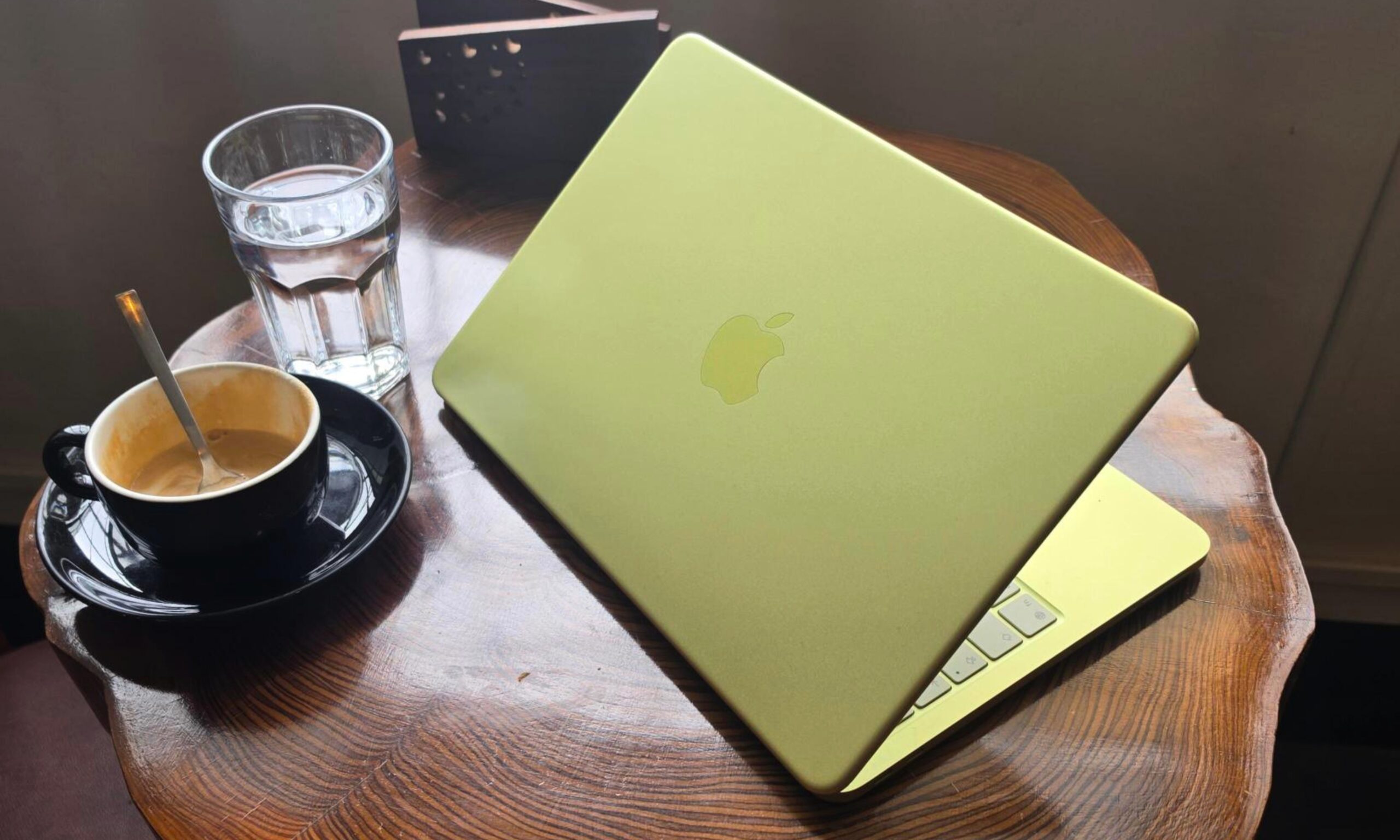
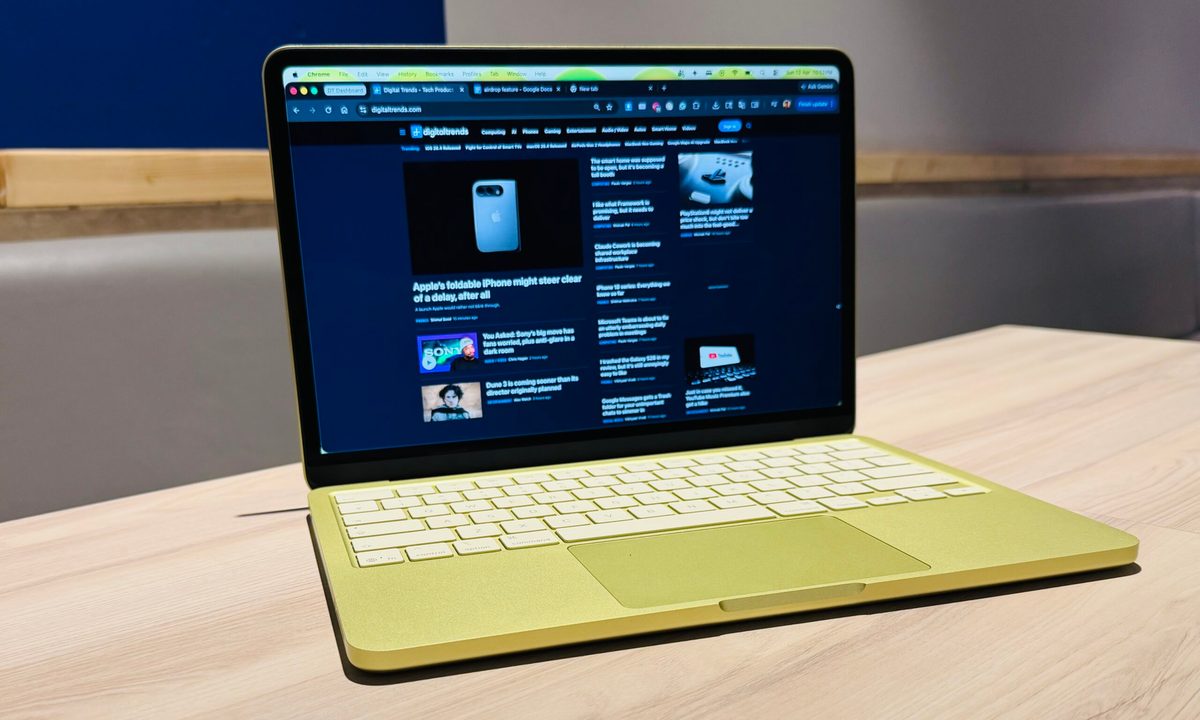
In 2026, this doesn’t hold true anymore. The MacBook Neo has changed the entry point for Apple’s laptop lineup. The Mac now starts from $599 with an A18 Pro chip, a 13-inch Liquid Retina display, and macOS Tahoe. It ships with 8GB of unified memory and starts with 256GB of storage, which are still obvious constraints in 2026. And yet, the value it offers is much better than its competitors at this price range.
Windows laptops are getting squeezed
The Windows side is dealing with a very big problem. Memory prices have become a serious pressure point across the PC industry. Windows laptop makers such as HP, Dell, Asus, and others are hiking prices because of the global memory chip shortage. And the worst part is, the memory prices might not fall until next year. The current RAM crunch is making Apple look like the sensible laptop choice.
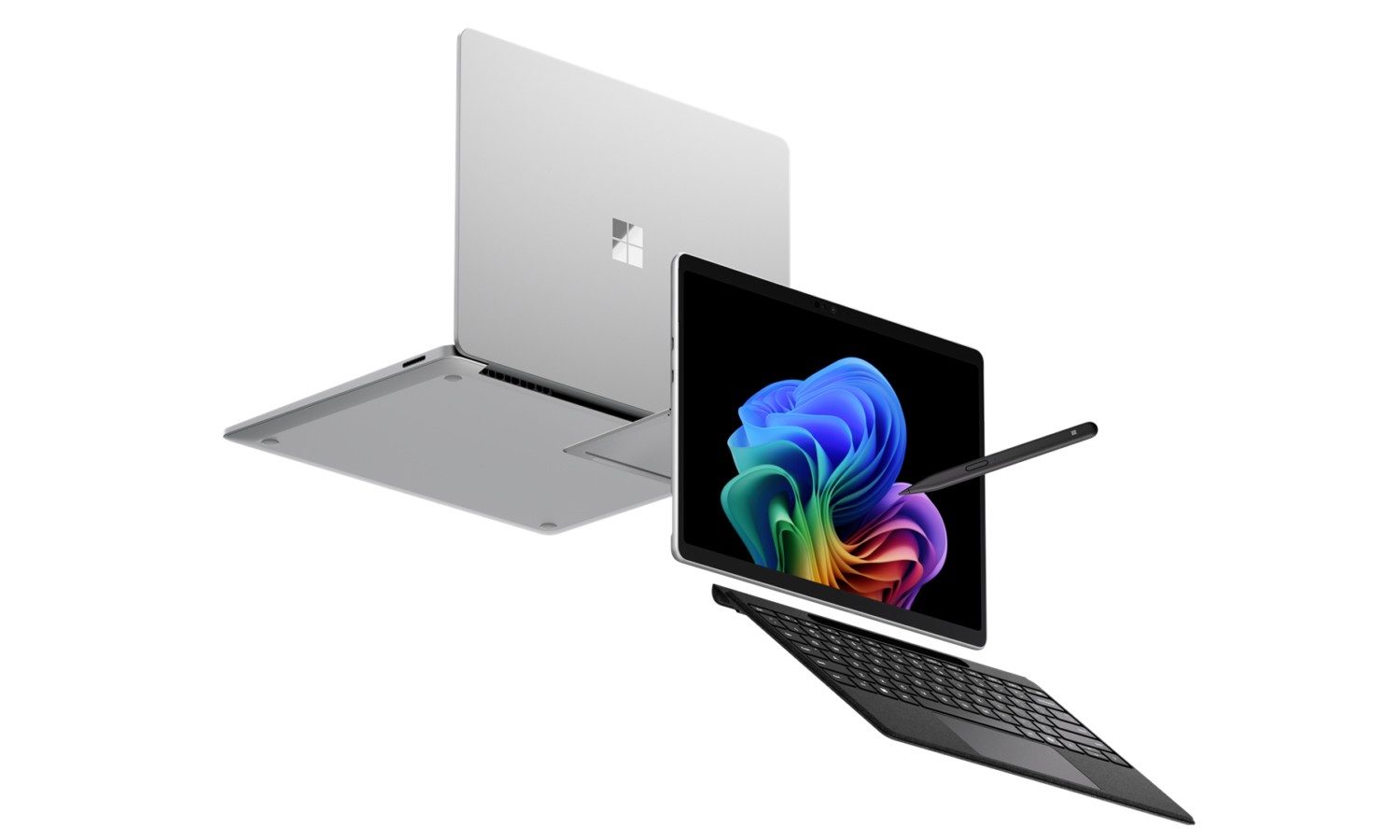
This is something Apple has navigated skillfully. Thanks to its deep supply chain leverage and its highly effective chip strategy, the iPhone maker has avoided the issue plaguing its Windows rivals. Microsoft’s latest Surface for Business lineup is a great example. These are powerful new laptops, sure, but the pricing is frankly disappointing.
After years of pushing Windows 11 and Copilot, both of which require at least 16GB of RAM, the company is selling its very own Surface Laptop with 8GB for $1,299. In comparison, the brand-new M5 MacBook Air only costs $1,099, and Apple packs 16GB of RAM in it.

Still no answer to the MacBook Neo
At $599 in the US, Apple suddenly has a Mac that sits in a space Windows should have owned comfortably. Just pit it against the 13-inch Surface Laptop, and the massive price gap alone would win any arguments. Aside from a few rare models, the MacBook Neo stays uncontested.
You get a clean aluminum design, a sharp 13-inch display, long battery life, Apple Intelligence support, and enough everyday performance for students, families, and basic creative work. Sure, the Surface has advantages like touch, better battery claims, and stronger multicore performance, but that’s the same kind of argument people have made against the MacBook when Windows was cheaper. What mattered the most was what a buyer was willing to compromise on for the price. The only difference now is that I find myself defending the MacBook.
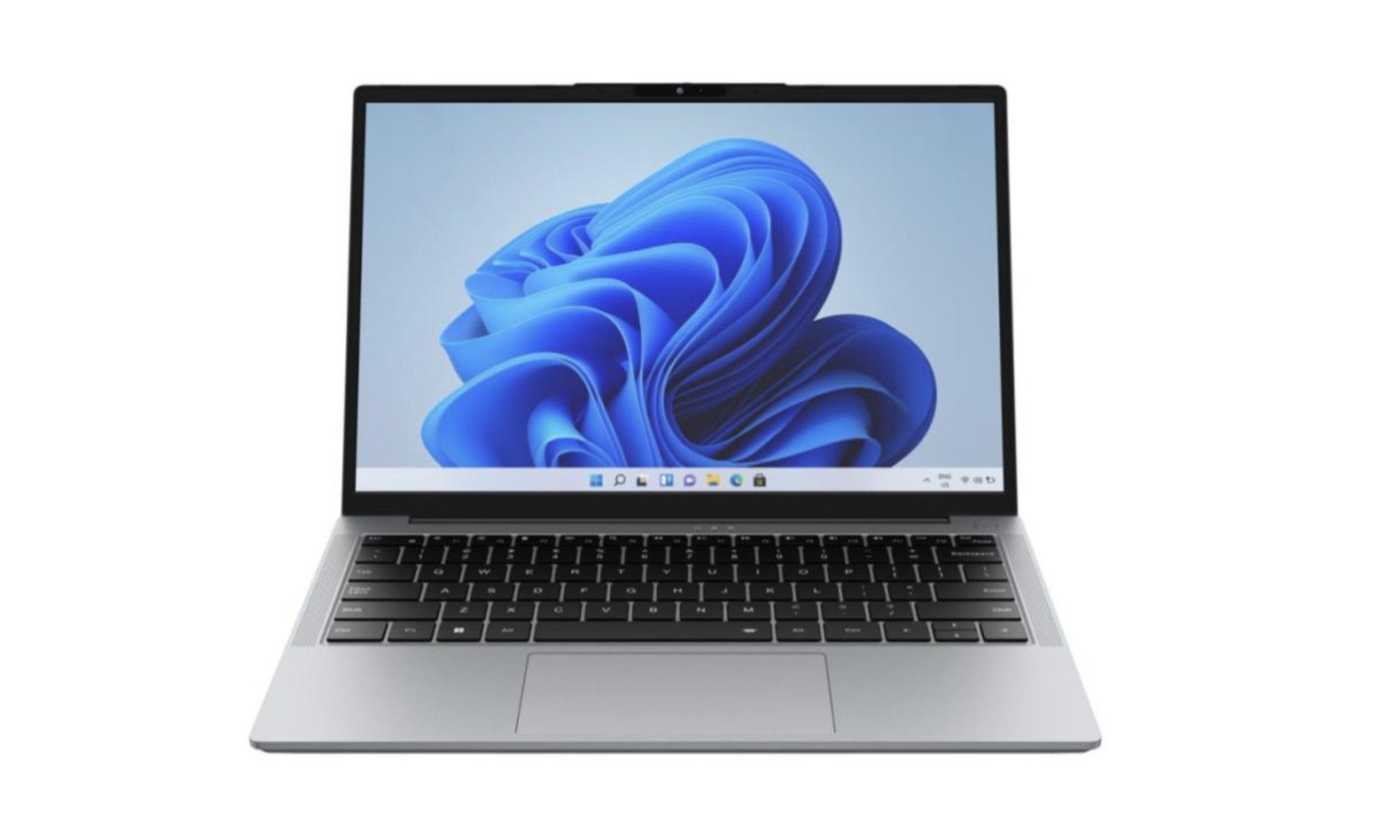
Apple is now the practical choice
The MacBook Neo is not without trade-offs. It is not the machine for heavy video editors, serious multitaskers, or anyone who refuses to buy an 8GB laptop in 2026. But it gives mainstream buyers the thing Apple usually reserved for higher price brackets, which is a proper Mac experience at a price that no longer feels absurd.
Meanwhile, the Windows market is getting squeezed. Memory costs are rising; every new laptop is much more expensive than the previous-gen models, and the budget-to-midrange space barely exists. Still, MacBooks aren’t the right choice for everyone. Windows maintains a solid lead in gaming, repair variety, hardware choice, and much more. Yet, in 2026, Apple’s cheapest MacBook now looks like the laptop you don’t have to justify with emotions, only math.