1. Home
  2. Mobile
  3. Android
  4. Computing
  5. Web
  6. Legacy Archives

Heartbleed Bug claims 900 Canadian taxpayers as its first victims

Add as a preferred source on Google

In the days following the discovery of the Heartbleed bug, the Internet has gone from sheer panic to anger over allegations that the NSA used the vulnerability for intelligence purposes. Then there was the denial phase, which Cloudflare instigated by saying that the bug does not allow access to the private SSL keys of websites. Now we’re about to circle back to fear with news that attackers exploited the vulnerability to remove the Social Insurance Numbers (SIN) of hundreds of taxpayers from the registry of the Canada Revenue Agency (CRA). The SIN is a nine-digit number that is required to work in the country and receive government benefits; it’s the Canadian version of U.S. Social Security Numbers.

According to a statement from CRA Commissioner Andrew Treusch, the agency shut down its online services on April 8. Its website went back online on April 13, after implementing a patch for the Heartbleed bug. 

Recommended Videos

“Regrettably, the CSA has been notified by the Government of Canada’s lead security agencies  of a malicious breach of taxpayer data that occurred over a six-hour period. Based on our analysis to data, Social Insurance Numbers of approximately 900 taxpayers were removed from CRA systems by exploiting the Heartbleed vulnerability,” Treusch said. 

Aside from the SINs of taxpayers, other fragments of data that relate to businesses were also removed. The Royal Canadian Mounted Police (RCMP) is currently investigating the matter. 

To make it up to affected taxpayers, the CRA will provide credit protection services for free. It will also send registered mail to inform them of the breach, in hopes of side-stepping phishing schemes. The letter will contain a 1-800 number to help people protect their SINs.

Christian Brazil Bautista
Christian Brazil Bautista is an experienced journalist who has been writing about technology and music for the past decade…
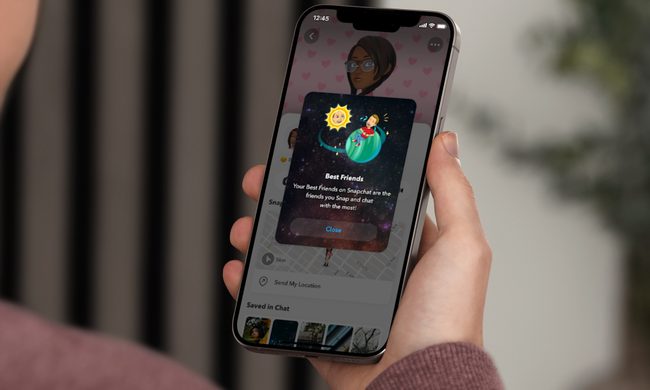
Snapchat Planets: What’s the order, and what do they mean?
Snapchat Planets turns your best friends list into a solar system, and yes, your orbit says a lot
Snapchat Planets being shown on the Snapchat app on iPhone.

Snapchat is already packed with little symbols that can be weirdly hard to decode. You have streaks, emojis, badges, scores, Best Friends, and if you use Snapchat Plus, a tiny solar system that shows where you sit in someone’s closest-friends list.

The feature is called Friend Solar System, though most people just call it Snapchat Planets. It takes your position in a friend’s Snapchat orbit and turns it into a planet. From Mercury to Neptune, these celestial bodies signify how close a person is to you.

Read more
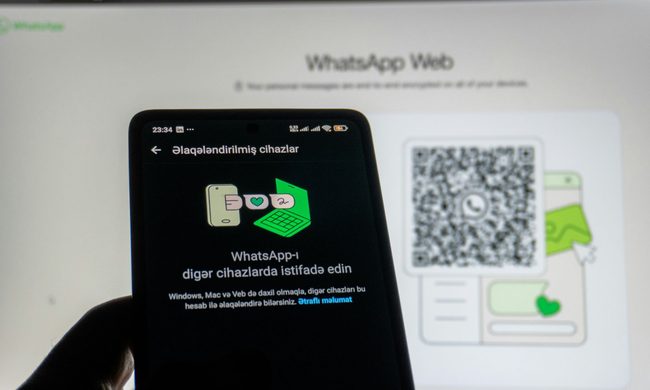
How to use WhatsApp Web
We'll show you how to use WhatsApp on your desktop or laptop
WhatsApp Web

As one of the most popular messaging services, you’ve already heard of WhatsApp. From its humble beginnings in 2009—two years before Apple introduced iMessage—to its acquisition by Facebook (now Meta) in 2014, WhatsApp has become the dominant messaging platform around the globe.

In recent years, it's grown even more potent with new features like video messages, self-destructing voice messages, the ability to edit sent messages, and more. We even finally got an WhatsApp iPad app in May 2025.

Read more
What is WhatsApp? How to use the app, tips, tricks, and more
From setting it up to mastering hidden features, here is your complete guide to WhatsApp.
Electronics, Phone, Mobile Phone

There's no shortage of messaging apps out there. The past decade has given us more options than we know what to do with, largely because smartphones demanded something better than plain old SMS.

Both the App Store and the Play Store are packed with apps that promise to revolutionize the way we communicate. Most of them didn't make it. The truth is, a messaging app is only as good as the number of people using it, and most apps never cross that threshold.

Read more