1. Home
  2. Mobile
  3. Android
  4. Legacy Archives

This is real: Heathrow Airport’s Terminal 5 is now called ‘Terminal Samsung Galaxy S5’

Add as a preferred source on Google

Samsung is pushing the practice of renaming structures after corporations to a ridiculous degree. The company has gone beyond the usual target, sports venues (i.e. Barclays Center, Staples Center), and has instead invaded one of the busiest transportation hubs in the world.

If you’re flying through London soon, be informed that you may have to hurry through “Terminal Samsung Galaxy S5.” According to The Verge, starting on May 19, every area of Heathrow Airport’s Terminal 5 will be plastered with “Terminal Samsung Galaxy S5” signs. 

Recommended Videos

“The initiative includes all signage throughout the Terminal Samsung Galaxy S5 terminal — at the entrance and drop-off locations, in the lounges, at security, and at the gates. In addition, all 172 digital panels in the main terminal, gate rooms, and baggage reclaim areas will feature the rebrand “Terminal Samsung Galaxy S5” and images of the Galaxy S5 smartphone,” the company said. 

Samsung had an advertising budget of $14 billion in 2013 so it’s not really surprising that it has the capability to turn one of the world’s most famous terminals into a giant billboard. However, all that money seems to have bought indifference rather than enthusiasm. “Samsung wants to call it Terminal Samsung Galaxy S5 and we are relaxed about that,” a Heathrow spokesperson said.   

If this piece of news has you scratching your head, know that you are not alone. However, take comfort in the fact that this is only temporary. The re-branding will only last for two weeks. According to Russell Taylor, Samsung’s UK marketing VP, the initiative is a “one-off opportunity to push the boundaries like no other brand has been allowed to do before.”

If you’re curious about the object of all this idolatry, you can check out our review of the Galaxy S5 here.

Christian Brazil Bautista
Christian Brazil Bautista is an experienced journalist who has been writing about technology and music for the past decade…
Snapchat Planets: What’s the order, and what do they mean?
Snapchat Planets turns your best friends list into a solar system, and yes, your orbit says a lot
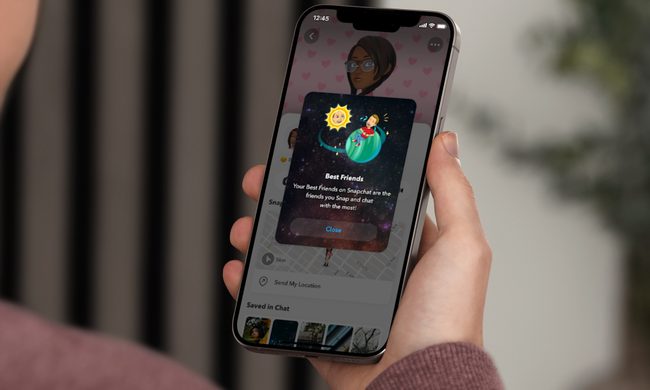
Snapchat Planets being shown on the Snapchat app on iPhone.

Snapchat is already packed with little symbols that can be weirdly hard to decode. You have streaks, emojis, badges, scores, Best Friends, and if you use Snapchat Plus, a tiny solar system that shows where you sit in someone’s closest-friends list.

The feature is called Friend Solar System, though most people just call it Snapchat Planets. It takes your position in a friend’s Snapchat orbit and turns it into a planet. From Mercury to Neptune, these celestial bodies signify how close a person is to you.

Read more
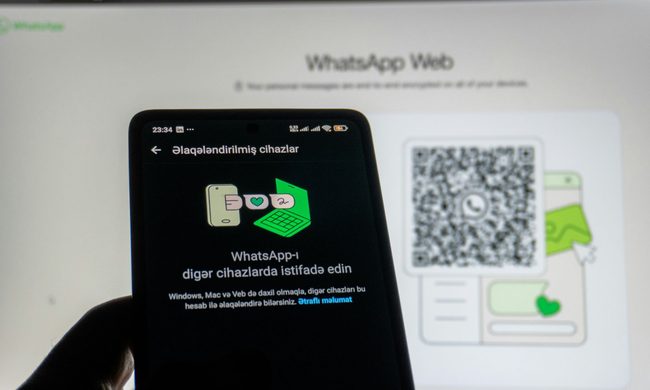
How to use WhatsApp Web
We'll show you how to use WhatsApp on your desktop or laptop
WhatsApp Web

As one of the most popular messaging services, you’ve already heard of WhatsApp. From its humble beginnings in 2009—two years before Apple introduced iMessage—to its acquisition by Facebook (now Meta) in 2014, WhatsApp has become the dominant messaging platform around the globe.

In recent years, it's grown even more potent with new features like video messages, self-destructing voice messages, the ability to edit sent messages, and more. We even finally got an WhatsApp iPad app in May 2025.

Read more
What is WhatsApp? How to use the app, tips, tricks, and more
From setting it up to mastering hidden features, here is your complete guide to WhatsApp.
Electronics, Phone, Mobile Phone

There's no shortage of messaging apps out there. The past decade has given us more options than we know what to do with, largely because smartphones demanded something better than plain old SMS.

Both the App Store and the Play Store are packed with apps that promise to revolutionize the way we communicate. Most of them didn't make it. The truth is, a messaging app is only as good as the number of people using it, and most apps never cross that threshold.

Read more