1. Home
  2. Mobile
  3. Android
  4. Legacy Archives

Samsung wants your eyes: It’s working on iris detection for Galaxy phones

Add as a preferred source on Google

Samsung is reportedly expanding the use of biometric sensors in its future smartphone releases. According to the Wall Street Journal, Samsung, which first incorporated fingerprint scanning into the Galaxy S5, may introduce biometric sensors in low-end smartphones. Aside from fingerprint scanning, the company may also adopt a different method of biometric authentication — iris detection — as it seeks to strengthen its security capabilities to attract enterprise users.     

“We’re looking at  various types of biometric [mechanisms] and one of (the) things that everybody is looking at is iris detection,”  said Samsung Senior Vice President Rhee In-jong.

Recommended Videos

Rhee, who heads development for the company’s Knox security platform, is aiming for a turnaround with business users. He said that out of the 87 million devices that have Samsung Knox, only 1.8 million are actively using the feature. That’s an adoption rate of two percent. The figure is especially low considering that Knox has been deemed secure enough to be used by the U.S. Department of Defense.  

Samsung has particularly taken aim at rival Blackberry, which recently gave up on the consumer market and has instead focused on what it calls “prosumers.” The Knox system basically mimics Blackberry’s Balance platform. Both systems allow users to segregate phones into two sections, one for work and one for personal use. This means that one part of the phone can be monitored by a company’s IT department, while the other part can be filled with cat photos and embarrassing selfies with no possibility of corporate backlash. 

Rhee expressed optimism for wider adoption of the Knox system. However, the company continues to lag behind in the mobile enterprise market. Last January, Apple revealed that the iPhone is used in 97 percent of Fortune 500 companies and 91 percent of the Global 500.

Christian Brazil Bautista
Christian Brazil Bautista is an experienced journalist who has been writing about technology and music for the past decade…
Snapchat Planets: What’s the order, and what do they mean?
Snapchat Planets turns your best friends list into a solar system, and yes, your orbit says a lot
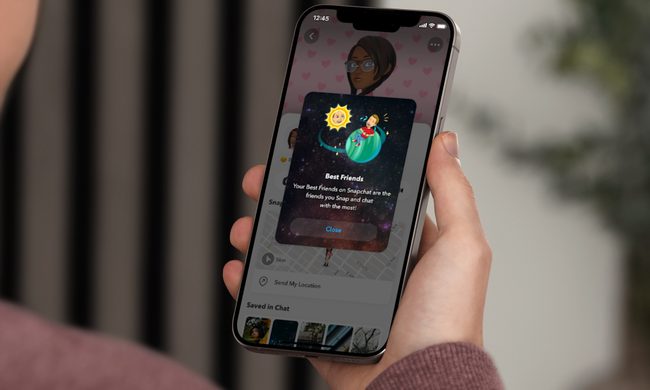
Snapchat Planets being shown on the Snapchat app on iPhone.

Snapchat is already packed with little symbols that can be weirdly hard to decode. You have streaks, emojis, badges, scores, Best Friends, and if you use Snapchat Plus, a tiny solar system that shows where you sit in someone’s closest-friends list.

The feature is called Friend Solar System, though most people just call it Snapchat Planets. It takes your position in a friend’s Snapchat orbit and turns it into a planet. From Mercury to Neptune, these celestial bodies signify how close a person is to you.

Read more
How to use WhatsApp Web
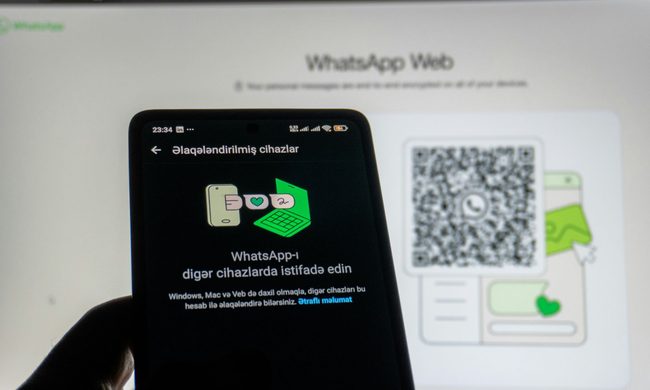
We'll show you how to use WhatsApp on your desktop or laptop
WhatsApp Web

As one of the most popular messaging services, you’ve already heard of WhatsApp. From its humble beginnings in 2009—two years before Apple introduced iMessage—to its acquisition by Facebook (now Meta) in 2014, WhatsApp has become the dominant messaging platform around the globe.

In recent years, it's grown even more potent with new features like video messages, self-destructing voice messages, the ability to edit sent messages, and more. We even finally got an WhatsApp iPad app in May 2025.

Read more
What is WhatsApp? How to use the app, tips, tricks, and more
From setting it up to mastering hidden features, here is your complete guide to WhatsApp.
Electronics, Phone, Mobile Phone

There's no shortage of messaging apps out there. The past decade has given us more options than we know what to do with, largely because smartphones demanded something better than plain old SMS.

Both the App Store and the Play Store are packed with apps that promise to revolutionize the way we communicate. Most of them didn't make it. The truth is, a messaging app is only as good as the number of people using it, and most apps never cross that threshold.

Read more