1. Home
  2. Mobile
  3. Android
  4. Legacy Archives

Sony sold 39.1 million Android phones in 2013 in spite of earnings dip

Add as a preferred source on Google

Sony’s new Android smartphones, most notably the Xperia Z1, have given the company a lifeline as it attempts to crawl out of persistent losses. The company, which has reported an annual loss in five of the last six years, posted strong smartphone sales to mitigated the effects of declining profits. Sony, which reported a net loss of 128.4 billion yen ($1.2 billion) during the fiscal year ending March 31, sold 39.1 million smartphones. The figure represents an 18.5 percent increase from the year before, making mobile one of the company’s most profitable segments.   

While Sony is gaining ground against competitors, it remains a small player. Its annual smartphone sales look microscopic considering that Samsung sold 83.3 million units in just the fourth quarter of 2013 alone. The company’s mobile segment generated 1.6 trillion yen ($16 billion), up 29.6 percent from the year before. However, that figure includes 45.5 billion yen ($442 million) in losses from the company’s planned exit from the PC business this year. 

Recommended Videos

While it forecasts another annual loss next year, Sony remains optimistic about its performance in the smartphone market. The company predicts that it will sell 10.9 million more handsets in the following fiscal year, increasing its sales to 1.5 trillion yen (15 billion).

“Sales are expected to increase primarily due to an increase in unit sales of smartphones. Operating income is expected to increase primarily due to the impact of the increase in sales, partially offset by an increase in research and development costs and marketing expenses,” the company said in its earnings report

We were impressed with the Xperia Z2 when we first spotted during the Mobile World Congress so we share Sony’s optimism. If you want to see Sony’s saving grace at work, you can check out our hands-on video here

Christian Brazil Bautista
Christian Brazil Bautista is an experienced journalist who has been writing about technology and music for the past decade…
Snapchat Planets: What’s the order, and what do they mean?
Snapchat Planets turns your best friends list into a solar system, and yes, your orbit says a lot
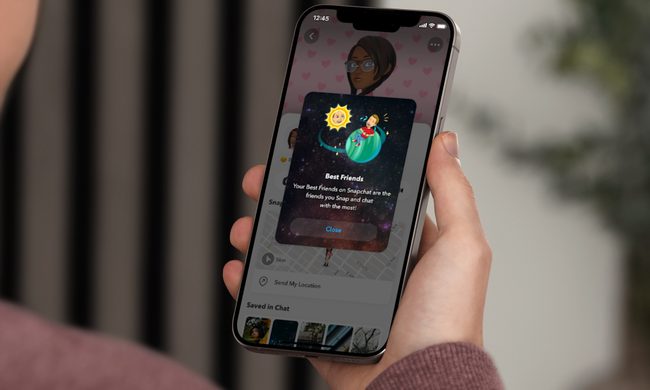
Snapchat Planets being shown on the Snapchat app on iPhone.

Snapchat is already packed with little symbols that can be weirdly hard to decode. You have streaks, emojis, badges, scores, Best Friends, and if you use Snapchat Plus, a tiny solar system that shows where you sit in someone’s closest-friends list.

The feature is called Friend Solar System, though most people just call it Snapchat Planets. It takes your position in a friend’s Snapchat orbit and turns it into a planet. From Mercury to Neptune, these celestial bodies signify how close a person is to you.

Read more
How to use WhatsApp Web
We'll show you how to use WhatsApp on your desktop or laptop
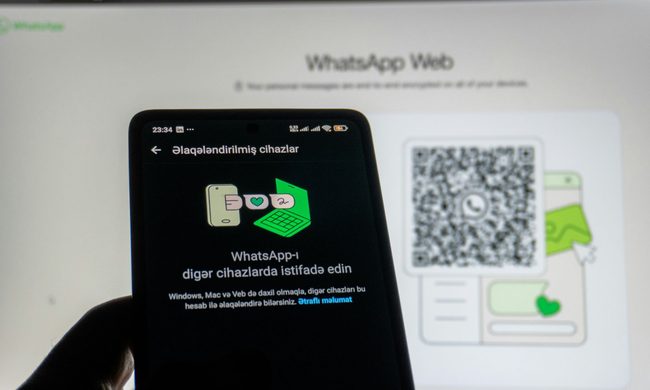
WhatsApp Web

As one of the most popular messaging services, you’ve already heard of WhatsApp. From its humble beginnings in 2009—two years before Apple introduced iMessage—to its acquisition by Facebook (now Meta) in 2014, WhatsApp has become the dominant messaging platform around the globe.

In recent years, it's grown even more potent with new features like video messages, self-destructing voice messages, the ability to edit sent messages, and more. We even finally got an WhatsApp iPad app in May 2025.

Read more
What is WhatsApp? How to use the app, tips, tricks, and more
From setting it up to mastering hidden features, here is your complete guide to WhatsApp.
Electronics, Phone, Mobile Phone

There's no shortage of messaging apps out there. The past decade has given us more options than we know what to do with, largely because smartphones demanded something better than plain old SMS.

Both the App Store and the Play Store are packed with apps that promise to revolutionize the way we communicate. Most of them didn't make it. The truth is, a messaging app is only as good as the number of people using it, and most apps never cross that threshold.

Read more