1. Home
  2. Mobile
  3. Android
  4. Apple
  5. Legacy Archives

Verizon rolls out XLTE, promises faster data speeds in 44 states

Add as a preferred source on Google

Verizon Wireless has just rolled out XLTE, its network upgrade that promises to boost peak data speeds and double the bandwidth for 4G LTE users. The update, which goes out to 44 states, adds capacity in high-demand areas. It also increases data speeds during busy periods such as rush hours and during big events like concerts or football games.

“The industry and tech world recognize this is a big deal, and we want consumers to know, too,” said Ken Dixon, chief marketing officer of Verizon Wireless, in a press release. “We continue to offer the very best network, bar none. Now, XLTE provides an even greater advantage to customers by doubling the 4G LTE bandwidth and providing faster peak speeds in cities coast to coast.” 

Recommended Videos

For the update, Verizon took advantage of its Advanced Wireless Services (AWS) spectrum. Last March, the company announced that it will continue to add a second band of spectrum to provide for the demand on its LTE network. During that month, the company equipped more than 10,000 cell sites with AWS capability. It also turned on the feature in over 5,000 other cell sites.

So far, the network enhancement covers 27 XLTE-ready devices, including the iPhone 5S, the iPhone 5C, the Samsung Galaxy S5, the HTC One M8, and the Motorola Droid Mini. The smartphone models access both the 700 MHz and the AWS spectrum. 

The speed boost is not exclusive to users with XLTE-ready devices. Since XLTE-ready phones use the AWS spectrum, there would be less congestion on the 700 MHz spectrum, thereby increasing speed for users. 

The update covers states from New Hampshire to Oregon. However, not all cities are covered. If you want to check if your city is included, you can check out Verizon’s list of included cities here. If you’re not sure if your phone is XLTE-ready, you can also look for it on Verizon’s devices list.

Christian Brazil Bautista
Christian Brazil Bautista is an experienced journalist who has been writing about technology and music for the past decade…
Snapchat Planets: What’s the order, and what do they mean?
Snapchat Planets turns your best friends list into a solar system, and yes, your orbit says a lot
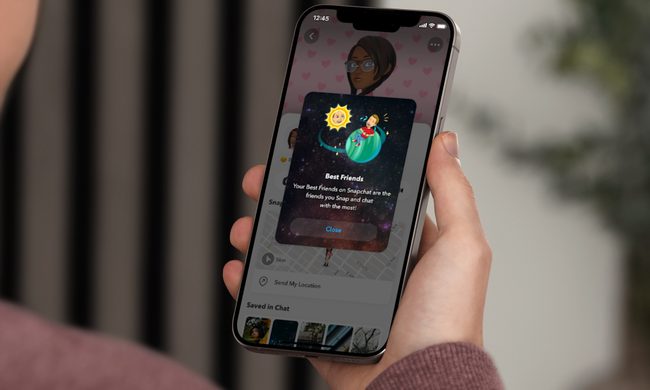
Snapchat Planets being shown on the Snapchat app on iPhone.

Snapchat is already packed with little symbols that can be weirdly hard to decode. You have streaks, emojis, badges, scores, Best Friends, and if you use Snapchat Plus, a tiny solar system that shows where you sit in someone’s closest-friends list.

The feature is called Friend Solar System, though most people just call it Snapchat Planets. It takes your position in a friend’s Snapchat orbit and turns it into a planet. From Mercury to Neptune, these celestial bodies signify how close a person is to you.

Read more
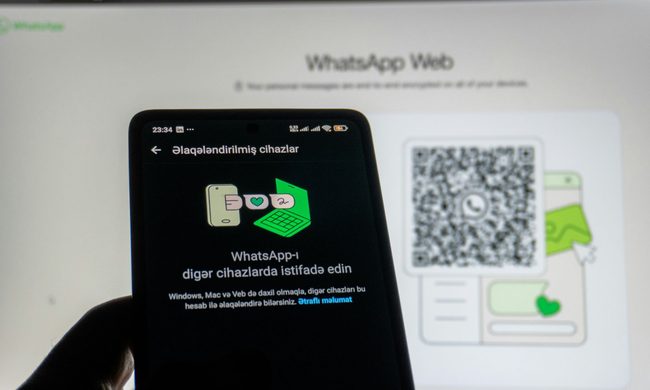
How to use WhatsApp Web
We'll show you how to use WhatsApp on your desktop or laptop
WhatsApp Web

As one of the most popular messaging services, you’ve already heard of WhatsApp. From its humble beginnings in 2009—two years before Apple introduced iMessage—to its acquisition by Facebook (now Meta) in 2014, WhatsApp has become the dominant messaging platform around the globe.

In recent years, it's grown even more potent with new features like video messages, self-destructing voice messages, the ability to edit sent messages, and more. We even finally got an WhatsApp iPad app in May 2025.

Read more
What is WhatsApp? How to use the app, tips, tricks, and more
From setting it up to mastering hidden features, here is your complete guide to WhatsApp.
Electronics, Phone, Mobile Phone

There's no shortage of messaging apps out there. The past decade has given us more options than we know what to do with, largely because smartphones demanded something better than plain old SMS.

Both the App Store and the Play Store are packed with apps that promise to revolutionize the way we communicate. Most of them didn't make it. The truth is, a messaging app is only as good as the number of people using it, and most apps never cross that threshold.

Read more