  1. Home
  2. Wearables
  3. News

Digital Trends may earn a commission when you buy through links on our site. Why trust us?

iOS 27 could make it far easier to manage your AirPods

Add as a preferred source on Google
Electronics, Robot, Phone
Apple

For years, AirPods Pro users have been asking Apple for something surprisingly basic: a proper place to manage their earbuds — not buried menus or scattered toggles hidden deep in Bluetooth settings. Just a clean, dedicated experience that makes controlling AirPods feel as polished as the hardware itself. Now, according to Mark Gurman of Bloomberg, Apple is finally preparing a major overhaul of the AirPods settings interface in iOS 27, iPadOS 27, and macOS 27.

AirPods have evolved far beyond simple wireless earbuds. Features like head gesture recognition, adaptive audio, hearing aid functionality, and advanced noise controls have made them increasingly complex devices. But the software experience managing those features still feels unfinished compared to products like the Apple Watch or Apple Vision Pro.

Apple’s AirPods settings might finally make sense

According to Gurman’s report, Apple is not expected to launch a standalone AirPods app just yet — something many users have been requesting for years. Instead, the company is reportedly redesigning the existing AirPods settings panel to make it more functional, easier to navigate, and better organized. This could make a massive difference in day-to-day use.

Right now, even basic AirPods controls can feel surprisingly fragmented. Some options live under Bluetooth menus, others appear only while the earbuds are connected, and newer accessibility features often require digging through multiple sections of Settings. Apple reportedly wants to streamline that experience and better highlight major AirPods features, rather than burying them.

AirPods are becoming more than accessories

The timing makes sense. Apple increasingly treats AirPods as smart wearable devices rather than simple audio accessories. The company has slowly added health-focused tools, gesture-based controls, and AI-driven audio experiences that rely heavily on software integration.
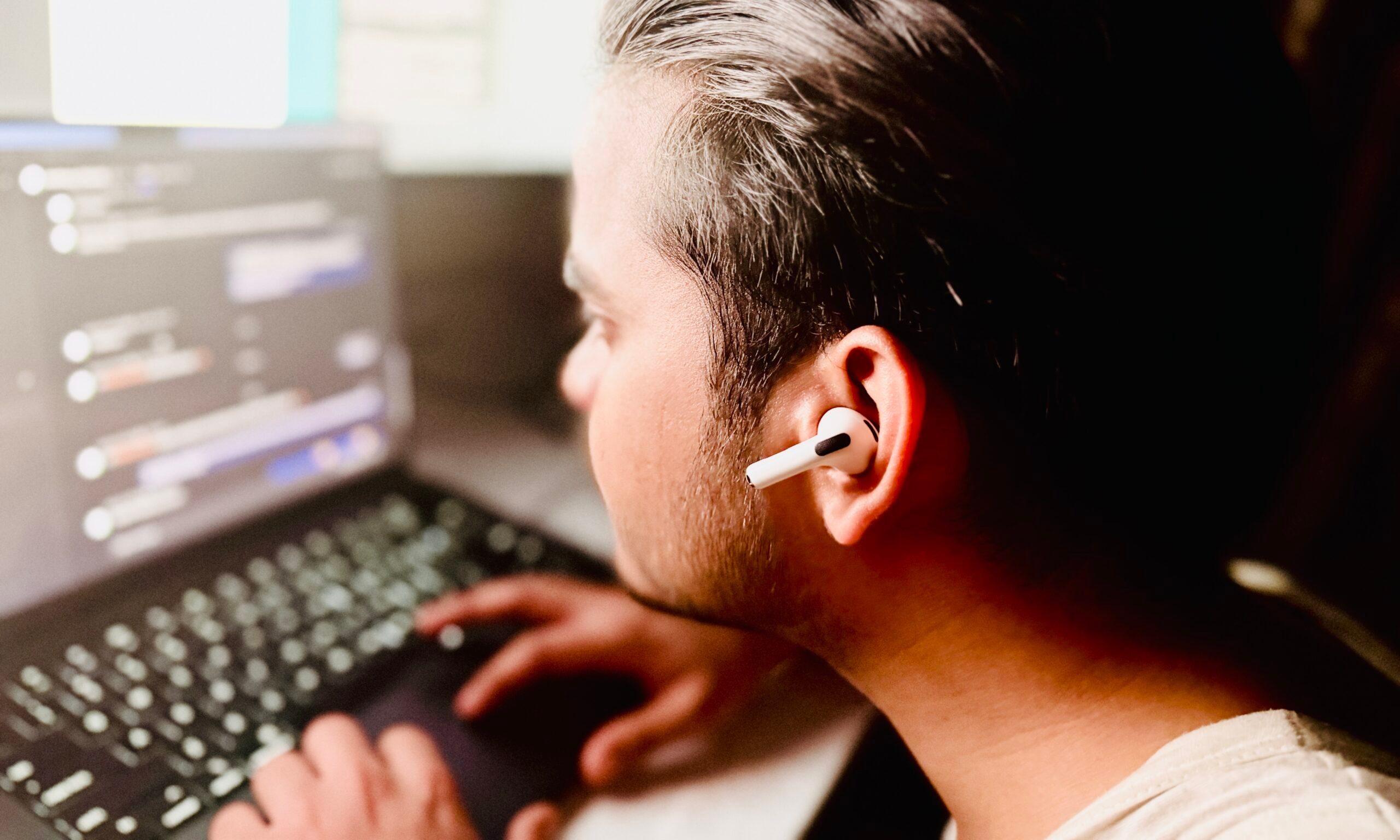
But the settings experience has not really evolved alongside the hardware. If these rumored changes arrive in iOS 27, they may not completely replace the need for a dedicated AirPods app.

Shimul Sood
Shimul is a contributor at Digital Trends, with over five years of experience in the tech space.
It seems watchOS 27 will only polish your Apple Watch experience, but no new tricks
watchOS 27 could bring refinements instead of major Apple Watch changes
Apple Watch

The Apple Watch helped define the modern smartwatch industry when it launched in 2015. It transformed wearables from niche gadgets into mainstream consumer products, generated billions in revenue for Apple, and eventually became a gateway into the company’s broader health and wearables ecosystem. But more than a decade later, Apple now appears to be entering a far more uncertain phase in the category it once dominated.

According to Mark Gurman's PowerOn Bloomberg newsletter, watchOS 27 is expected to focus largely on stability improvements, performance refinements, and smaller upgrades rather than major new features. While Apple is reportedly improving heart-rate tracking behind the scenes, the update may lack the kind of headline innovations that once defined the Apple Watch platform.

Read more
Wireless earbuds may soon identify you by your heartbeat
Earbuds

Biometric authentication is no longer limited to fingerprints and face unlock. Researchers are now exploring whether your earbuds can recognize you simply by listening to the tiny vibrations created by your heartbeat.

A new study published on the arXiv preprint server introduces “AccLock,” a passive authentication system that uses standard earphone hardware to verify a user’s identity. Instead of relying on microphones or voice prompts, the system works through built-in accelerometers already found in many modern earbuds.

Read more
Google Health 5.0 is rolling out with its best feature up front and its worst problems buried
Google Health 5.0 puts its cleanest feature on the home screen and hopes you don't look too closely at what's changed.
Fitbit app AI health coach screenshots.

Google Health 5.0 is rolling out now as a mandatory update for the Fitbit app users, and the timing is deliberate. 

The new Fitbit Air, Google’s most direct competitor to the Whoop fitness tracking band, launches next week, and, if you haven’t already guessed it, Health 5.0 is required to set it up. 

Read more