1. Home
  2. Wearables
  3. Mobile
  4. Legacy Archives

Microsoft’s working on a smartwatch too, says this patent

Add as a preferred source on Google

A patent application published by the U.S. Patent and Trademark Office has revived speculation that a long-rumored smartwatch from Microsoft is in the works. The documents, released last week, show a wearable device with built-in apps for measuring heart rate and calorie burn. 

The patent application, spotted by Patent Bolt, highlights a Microsoft invention called a “Wearable Personal Information System.” Basically, it’s the whole watch minus the band. Through the invention, Microsoft claims to have solved two common problems with current smartwatches: the soiling of devices because of perspiration and the lack of real-time, biometric feedback while exercising. 

Recommended Videos

To make cleaning the device easier, Microsoft incorporated a removable body to the design, allowing users to wash the band after exercising. While wiping off the grime of the day’s activities from the band, the removable body can be connected to a special dock for charging and connecting to a computer.

The personal information system shows three symbols: 

  • Running: The running function tracks your current run length through the use of a built-in GPS unit.
  • Heart: The heart function displays the user’s current pulse rate.
  • Fire: The fire icon displays an estimate of the calories burned while working out.

Microsoft points out that the advantage of the wearable personal information system is that it presents users with more information as the workout is happening. Currently, to get biometric feedback while exercising, people have to wear external heartbeat sensors such as chest straps. 

If Microsoft follows through with a smartwatch, it would make for some interesting jockeying in the fledgling wearable devices market. However, this is still not a sure thing. Just because there’s a Microsoft patent out there, doesn’t mean that the company will invest in it. Back in 2009, Microsoft filed a patent for a music player that was meant for its Zune brand. The device, which was meant to compete with the iPod Nano, was never released.

Christian Brazil Bautista
Christian Brazil Bautista is an experienced journalist who has been writing about technology and music for the past decade…
This bionic-kneading neck massager with heat is the Father’s Day gift that actually gets used
SKG PS700 neck and shoulder massager: $199.99, with 360° kneading, red-light warmth, app control, and Bluetooth music in a cordless, portable design.
SKG neck massager

This post is brought to you in paid partnership with SKG.

If you've ever bought a gift that ended up in a drawer by July, this is the one that breaks the pattern. The SKG PS700 neck massager is $199.99, and unlike most novelty gadgets in the gifting aisle, it's built to be used daily. At that price and that feature set, this is the kind of gift that changes how someone's evenings feel, and the 360-degree bionic kneading underneath delivers the deep-tissue relief that the buzzing, vibrate-only neck devices in this price range simply can't match.

Read more
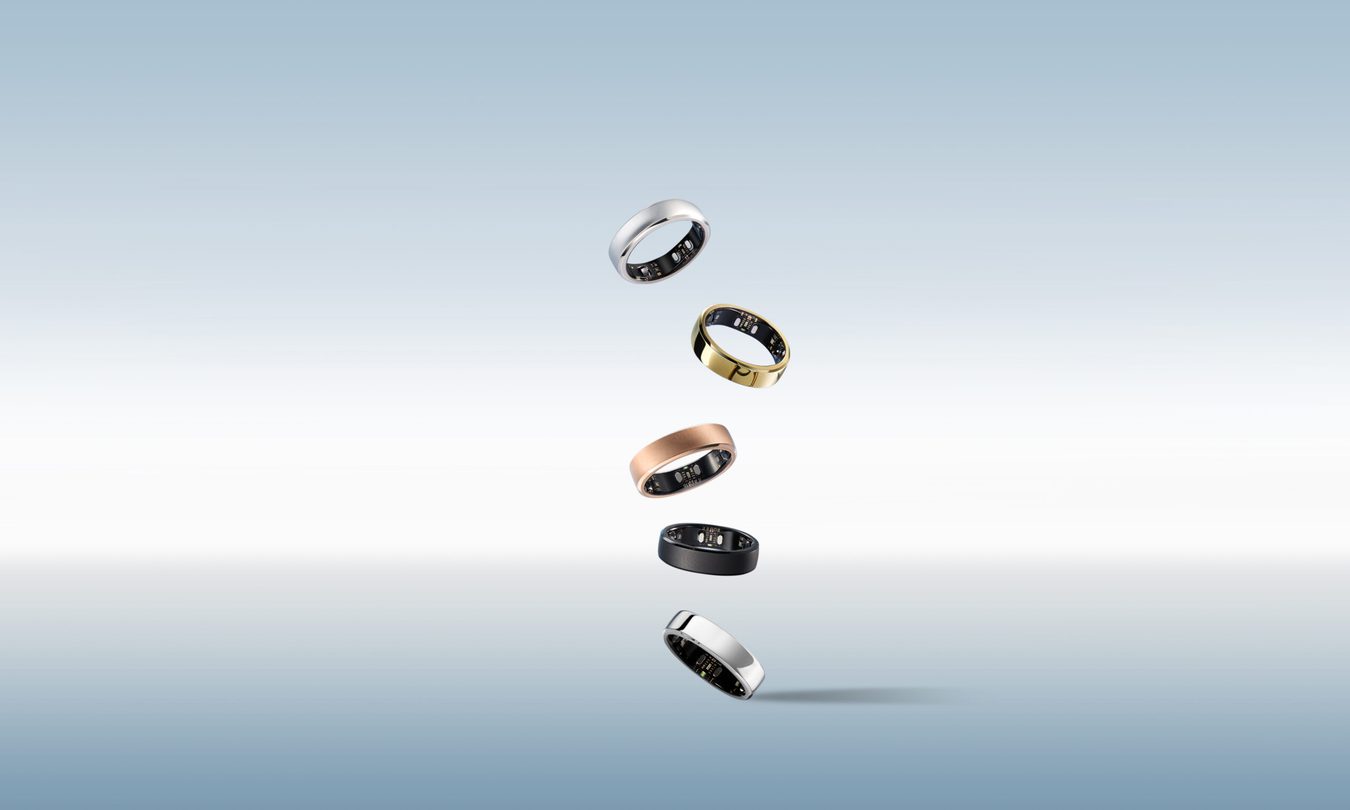
RingConn Gen 3 Smart Ring Reveals the Hidden Patterns of Everyday Wellbeing
To get a closer look at the hidden connections between sleep, stress, and recovery that we so easily overlook
Accessories, Jewelry, Ring

Most people do not just wake up one day and suddenly realize they’re completely burnt out. More often than not, they are unaware of rising stress, poor recovery, or just how much inconsistent sleep has begun to chip away at their health. A restless night here, an extra coffee there, and a stressful workweek somehow turn into a stressful month.

The trickiest thing about a modern lifestyle is that its toll rarely arrives all at once. Instead, it creeps up gradually, building quietly through broken sleep cycles and a daily routine that leaves no room to slow down.

Read more
Meta denied face scanning tech on AI smartglasses, and then silently wiped the evidence
Meta’s face-recognition history returns to haunt its AI smart glasses ambitions
Meta Ray-Ban Gen 2 Smart Glasses

Meta’s smart glasses privacy problem has taken another turn. After WIRED found inactive face-identification references inside the Meta AI app, the same code has now reportedly vanished in a follow-up app update.

Meta’s smart glasses app carried traces of face-ID work

Read more