1. Home
  2. Wearables
  3. Android
  4. Mobile
  5. Legacy Archives

Sony now says ‘door not closed’ to Android Wear

Add as a preferred source on Google

In spite of HTC neglecting to mention anything about a supporting device for Android Wear during its HTC One M8 launch, today remains a strong news day for wearable tech.  

In an interview with CNET, Ravi Nookala, the head of Sony Mobile’s U.S. arm, said that his company is shunning Android Wear, and will instead use their own Android-based Smartwatch platform.

Recommended Videos

“We’ve already invested time and resources on this platform, and we will continue in that direction,” Nookala said.

Android Wear is a modified version of the Android OS for watches and wearable devices. Since such devices have small screens, it relies heavily on Google Now voice recognition. 

So far, HTC, LG, Asus, and Motorola have signed on to make Android Wear hardware. There are already a number of Android Wear products in the pipeline. LG is up first with the G Watch. The company tweeted a photo of the smartwatch on Monday. (No word yet on the specs.) LG’s idea of a timeline for release is a tweet that said “Coming Soon!” 

Meanwhile, Motorola also recently released details for its Moto 360 smartwatch. It can be controlled through gestures and is probably the only smartwatch to date that can go with an Armani suit.   

Sony’s Smartwatch platform will have its own set of applications. Nookala said that the Lifelog app, which accompanies the Smartband activity tracker, will be a part of future product releases.

Updated on 3-26-2014 by Jeffrey Van Camp: In a tweet, Sony has clarified its stance on Android Wear. It’s not using it yet, but it might in the future.

It looks like the success of Sony’s proprietary products may determine whether it adopts Android.

Article originally published on 3-25-2014.

Christian Brazil Bautista
Christian Brazil Bautista is an experienced journalist who has been writing about technology and music for the past decade…
This bionic-kneading neck massager with heat is the Father’s Day gift that actually gets used
SKG PS700 neck and shoulder massager: $199.99, with 360° kneading, red-light warmth, app control, and Bluetooth music in a cordless, portable design.
SKG neck massager

This post is brought to you in paid partnership with SKG.

If you've ever bought a gift that ended up in a drawer by July, this is the one that breaks the pattern. The SKG PS700 neck massager is $199.99, and unlike most novelty gadgets in the gifting aisle, it's built to be used daily. At that price and that feature set, this is the kind of gift that changes how someone's evenings feel, and the 360-degree bionic kneading underneath delivers the deep-tissue relief that the buzzing, vibrate-only neck devices in this price range simply can't match.

Read more
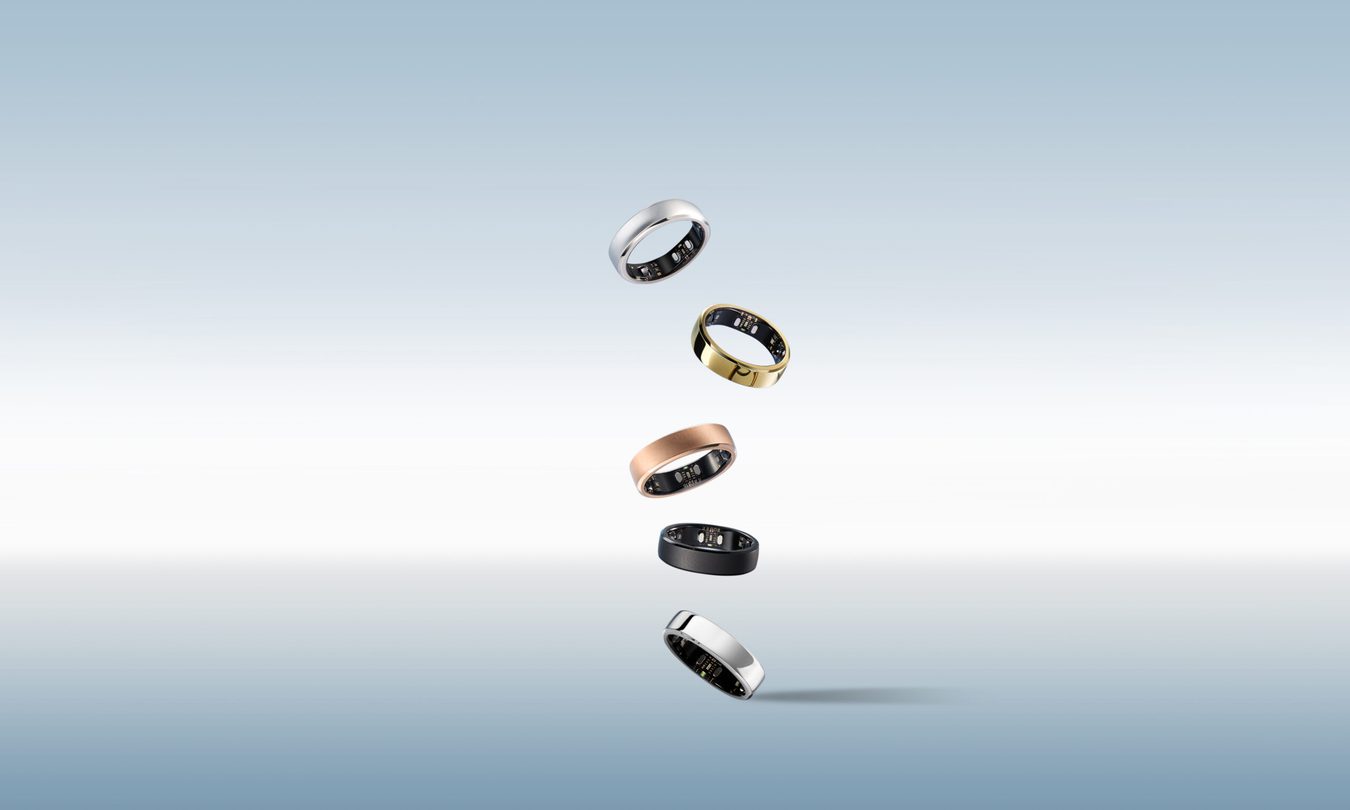
RingConn Gen 3 Smart Ring Reveals the Hidden Patterns of Everyday Wellbeing
To get a closer look at the hidden connections between sleep, stress, and recovery that we so easily overlook
Accessories, Jewelry, Ring

Most people do not just wake up one day and suddenly realize they’re completely burnt out. More often than not, they are unaware of rising stress, poor recovery, or just how much inconsistent sleep has begun to chip away at their health. A restless night here, an extra coffee there, and a stressful workweek somehow turn into a stressful month.

The trickiest thing about a modern lifestyle is that its toll rarely arrives all at once. Instead, it creeps up gradually, building quietly through broken sleep cycles and a daily routine that leaves no room to slow down.

Read more
Meta denied face scanning tech on AI smartglasses, and then silently wiped the evidence
Meta’s face-recognition history returns to haunt its AI smart glasses ambitions
Meta Ray-Ban Gen 2 Smart Glasses

Meta’s smart glasses privacy problem has taken another turn. After WIRED found inactive face-identification references inside the Meta AI app, the same code has now reportedly vanished in a follow-up app update.

Meta’s smart glasses app carried traces of face-ID work

Read more