1. Home
  2. Social Media
  3. Photography
  4. News

This Snapchat clone has racked up 30 million users in Asia in a matter of months

Add as a preferred source on Google

Snapchat has a competitor in Asia that looks remarkably similar to the visual messaging app. Riding high atop the iOS App Store chart in China, the South Korean Snapchat clone known as “Snow” has seen users take to its filters in their droves. Such is the popularity of the app that 30 million users have signed up to Snow since September, The New York Times reports.

Why exactly are Asian users choosing an imitation over its massively popular predecessor? In China’s case, it may be the simple reason that Snapchat is banned in the country and Snow offers an identical alternative. Elsewhere, the app’s success can be attributed to its Asian sensibilities.

Recommended Videos

A closer look at the app reveals that although it unashamedly clones Snapchat’s UI, it adds far more filters to the mix, and offers some interesting features to boot. One of the unique functions is its extensive range of tonal camera filters (apps that offer similar beautifying tools, such as the Facebook-compatible BeautyPlus, are extremely popular in Asia), which should appeal to Instagram addicts. There’s also a mode that lets you snap your very own GIFs using your phone’s camera.

Selfie addicts will most likely be drawn to Snow’s extensive amount of crazy filters. Again, the sigh-inducing rip-offs get in the way (there’s a face-swap filter included here, among other replicas), but if you’re willing to overlook them, then there’s plenty of fun to be had. Many of them rely on Asia-centric themes, transforming you into a sumo wrestler, a Harijuku girl, and Soju- (South Korean spirit) swigging businessman. We counted well over a hundred selfie filters, which comprehensively overshadows the revolving set of 15 filters offered by Snapchat.

Snow’s broad range of features shouldn’t come as a surprise as it’s made by the company behind the Line messaging app (South Korean internet giant, Naver) itself known for a wide array of stickers, and additional tools. You can snap it up on iOS and Android right now.

Saqib Shah
Saqib Shah is a Twitter addict and film fan with an obsessive interest in pop culture trends. In his spare time he can be…
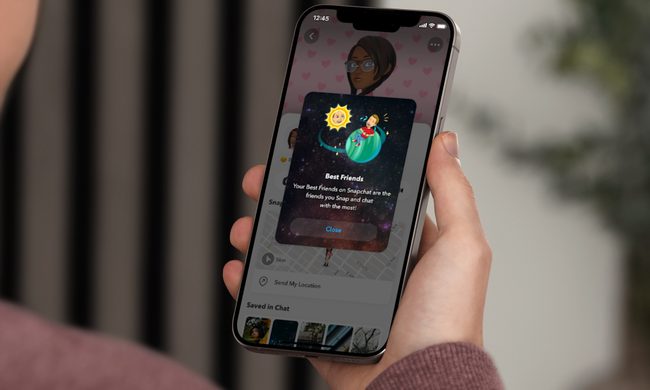
Snapchat Planets Meaning: Order, Rankings, and How Friend Solar System Works
Snapchat Planets turns your best friends list into a solar system, and yes, your orbit says a lot
Snapchat Planets being shown on the Snapchat app on iPhone.

Snapchat+ includes several exclusive features, but few have generated as much curiosity as Snapchat Planets. Part of the app's Friend Solar System, it transforms your Best Friends list into a planetary ranking, assigning each of your top eight friends a planet based on how often you interact.

From Mercury, which represents your closest friend, to Neptune, which represents your eighth closest, the system offers a quick visual snapshot of your interactions. But what do the different planets actually mean, and how does Snapchat decide who gets which one?

Read more
Instagram lands on Samsung TVs, with episodic series and live TV coming to your screen soon
Instagram for TV adds new features for group watching.
instagram-samsung-tv

Meta just expanded Instagram for TV to Samsung Smart TVs across the US, rolling out a bunch of new features built for group viewing. With Samsung now on board, Instagram for TV has officially landed on the three biggest connected TV platforms in the country.

https://twitter.com/metanewsroom/status/2069062429821026732?s=46

Read more
TikTok’s AI slop problem is worse than you think — and kids are seeing the most of it
TikTok

TikTok has spent years perfecting the art of knowing exactly what you want to watch next. Open the app, scroll a few times, and suddenly it’s serving videos that feel uncannily tailored to your interests. But what happens before TikTok learns who you are? According to new research from video editing platform Kapwing, the answer is increasingly AI slop.

The study found that nearly 60% of the videos shown to a brand-new TikTok account were low-quality AI-generated content. That’s not a niche problem buried in obscure corners of the platform. It’s the first impression TikTok is making on new users before the algorithm even begins personalizing their feed. And if that sounds concerning, the findings around children’s content are even harder to ignore.

Read more