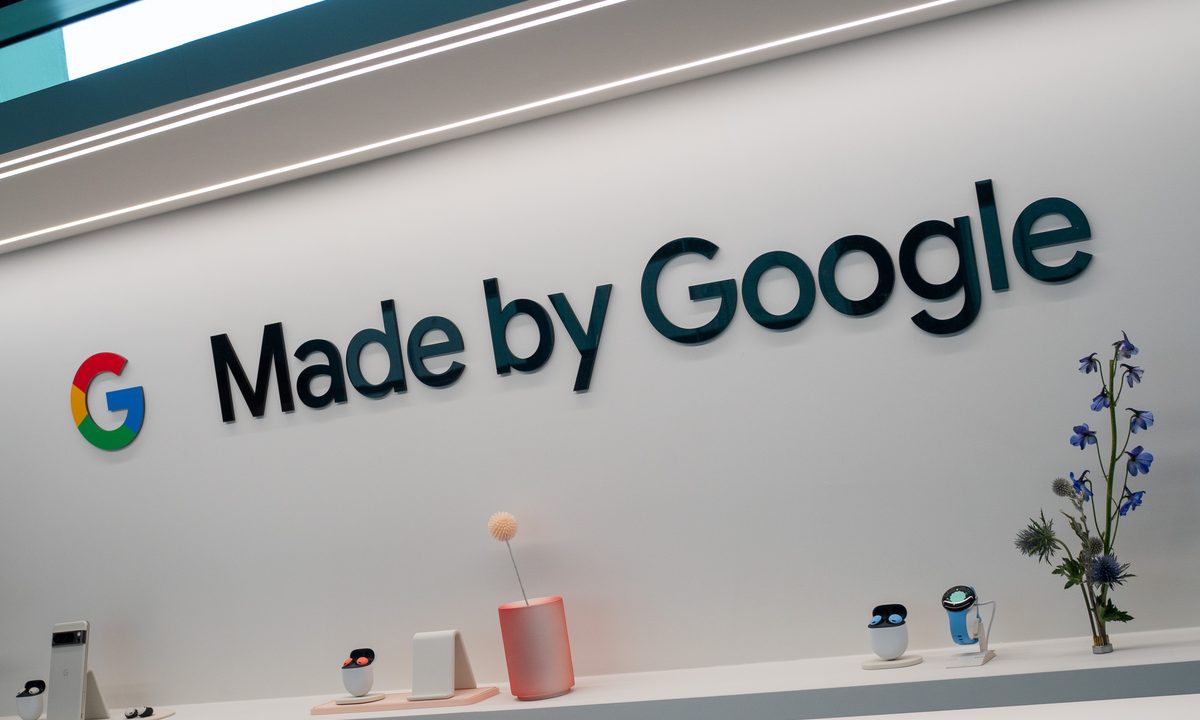
What’s happened? Google has a major launch event coming up on August 20, and it’s already confirmed in its media invite that we’ll see “Pixel phones, watches, buds, and more.” And information on what to expect from the Made by Google event continues to flow, with the latest leak seemingly showing us all the devices.
- The latest images were posted to X by the reliable tipster @evleaks, in two separate threads of images.
- They appear to show the Google Pixel 10, Pixel 10 Pro, Pixel 10 XL and Pixel 10 Pro Fold smartphones, along with the Pixel Watch 4 and a new color for the Pixel Buds Pro 2.
This is important because: As we edge closer to the Made by Google event, we’re seeing numerous complimentary leaks from a variety of sources, suggesting this is what we’ll see come August 20.
- We’ve already had color leaks for the Pixel 10 and Pixel 10 Pro handsets, with the former likely to offer bolder tones, while the latter devices look set to come in understated, premium hues.
- Even Google has given us an official glimpse of the Pixel 10, which adds a whole lot more weight to the latest leaks.
Why should I care? Google’s Pixel series of smartphones are one of the most important flagship offerings, going toe-to-toe with Apple’s iPhones and Samsung’s Galaxy devices. While the Pixel phones don’t sell in the same volumes as iPhone and Galaxy S handsets, they are an important window into Google’s software features, and set the tone for Android devices over the next 12 months.
- Pixel phones are a showcase for Android and Gemini, allowing Google to show the world what its platform and AI can do.
- They will give us a window into Google’s latest software and AI features, and set the tone for Android for the next 12 months.
Okay, what’s next? We’re just over three weeks away from the Pixel 10 launch event when we’ll learn exactly what Google has in store for us, and whether these plentiful leaks are accurate.
- Google will be keen to make a splash as it’s likely Apple will swoop in to steal the limelight just a few weeks later with the iPhone 17 launch.
- Apple’s launch might include the hotly anticipated iPhone Air to challenge the Galaxy S25 Edge, a fight Google isn’t excepted to join this year.