You can just throw your single-use alkaline batteries in the trash but that’s not exactly a conscious way to dispose of them. Batteries, including single-use alkaline batteries, use loads of different chemicals and materials such as lead, cadmium, zinc, and lithium — sometimes mercury, too. Batteries thrown away in a regular trash bin will just be sent to a landfill, where the chemicals will seep into the ground. Batteries which are incinerated even have the chance of causing air pollution. Plus, there’s a ton of useful goodies inside batteries, including materials which can be used to make new batteries and other components. With that said, here’s the absolute best way to recycle any old batteries.
Alkaline

Many local municipal offices will instruct its residents to simply throw their alkaline batteries in the trash. In a safety sense, this is fine since there’s no mercury in alkaline batteries. They mainly consist of common metals, which, according to Duracell, have no health or environmental risks.
Additionally, 100 percent of an alkaline battery is recyclable if you choose to recycle them. This means each piece is separated from the battery as a whole, resulting in three end products: zinc and manganese concentrate, steel, and paper, plastic, and brass fractions. That’s why you need to send them somewhere to get recycled; not just any center can handle these sorts of materials. Duracell recommends contacting your local government for more information on disposing of alkaline batteries, though, there isn’t a proven cost-effective or environmentally-safe way to separate these components just yet.
If you’ve got a large collection of alkaline batteries to dispose of, it’s recommended that you don’t throw these batteries away together. Batteries often still have juice left in them, and grouping live batteries together can be dangerous.
Rechargeable
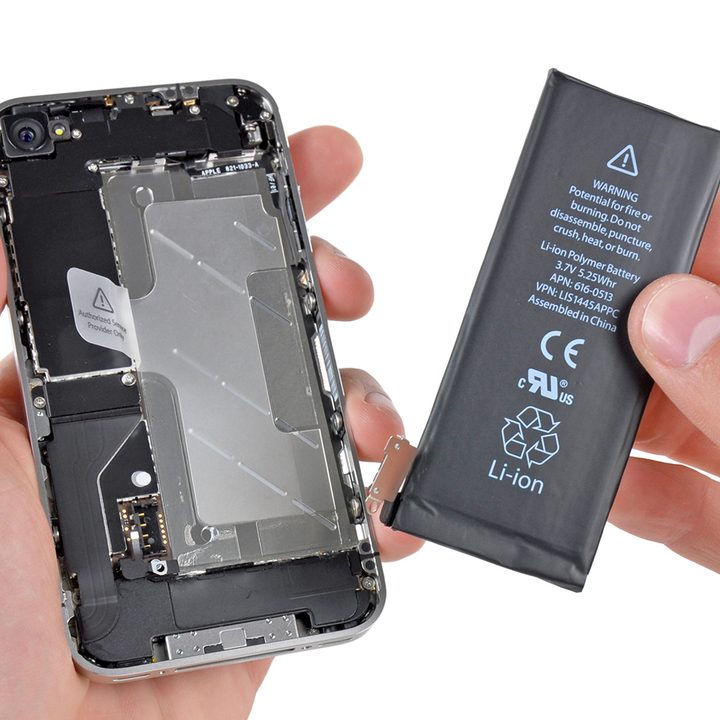
Rechargeable batteries, like lithium ion, should always be recycled. These are the kinds of batteries you’ll find in your camera, smartphone, laptop, power tools, and essentially anything you can recharge again after it’s been drained. Even these batteries will eventually die for good, however, and they can’t cross over to the other side without your help.
Thankfully, finding a place to drop off your batteries is pretty easy and should be free. In the United States, the rechargeable battery industry created a free recycling program called Call2Recycle, which accepts dry-cell batteries which weigh less than 11 pounds. There are plenty of locations with drop-off points including hardware stores, municipal offices, and electronic shops, all of which are discoverable via the Call2Recycle website. You won’t even have to remove the battery from your electronic device, whether it be a cell phone or a piece of biomedical equipment.
Many of the same places which accept rechargeable batteries will also accept your cell phone and its battery during the same dropoff. Completely wiping your device would be smart before dropping it off. Some electronic retailers even offer trade-in programs for old cell phones, so you’ll want to call around to see if you can get anything in return.
Rechargeable batteries are recycled into a bunch of different products, including silverware, pots and pans, golf clubs, steel, and even new batteries.
Car batteries and other lead-acid batteries

Your car battery is likely a lead-acid battery which is certainly not something you’ll want sitting around, as used lead-acid batteries are considered hazardous. The good thing is, most people know to recycle them. According to the folks over at AAA, 97 percent of car batteries are recycled.
To be recycled, a car battery is hammered apart in a hammer mill to break it into pieces. Lead and heavy metals in the battery are then separated from the plastic pieces. According to the Battery Council organization, these plastic pieces are melted together and shipped as pellets to battery manufacturers so new battery cases can be made. A similar process is also used for its lead parts in which the molten lead is shaped into ingots and sent to battery manufacturers to be made into new battery parts.
There are two ways to deal with a car battery’s battery acid. First, it can be neutralized and turned into water, so the water can then be treated, cleaned, and tested. If it meets water standards, it’ll be released into the public sewer system. Otherwise, the acid will be processed and converted into sodium sulfate, which is an odorless white powder that’s used in the manufacturing process for laundry detergent and in glass and textile manufacturing.
AAA is a great resource for recycling car batteries. Contact your local AAA club for more info on where to bring your battery. The company donates a portion of its recycling proceeds to environmental charities — which is always an added plus. Otherwise, many scrap yards and car-part retailers also accept car batteries for recycling purposes. Both Firestone Complete Auto Care and Autozone stores, for example, have programs for shipping off dead car batteries for recycling.