  1. Home
  2. Social Media
  3. Web
  4. News

Pinterest’s Chrome extension now acts as your visual search engine for the web

Add as a preferred source on Google

Pinterest is giving its Chrome browser extension an artificial intelligence upgrade.

The plug-in now comes bundled with the platform’s visual search tool, essentially allowing users to scan online images to find similar items. Best of all, the entire AI-powered process will take place on the site you’re on, meaning you don’t have to leave the web page you’re browsing to find related ideas and products.

Recommended Videos

Building upon its visual search tools, Pinterest added more complex object-recognition to create its visual discovery system. The tech doesn’t just recognize what’s in an image, but provides a diverse set of results by tapping into the 100 billion ideas housed on the platform. For example, if you take a photo of a blueberry, it will offer recipes that include the fruit, beauty ideas, and tips for growing your own blueberries.

The machine learning system currently powers recommendation and ecommerce features on the platform, including Instant Ideas and Shop the Look. It is also an integral part of Pinterest Lens (currently in beta), which lets users snap photos of objects to find similar items.

Users can access visual search for the web by downloading the Pinterest browser plug-in for Chrome. Once it’s installed, you’ll notice both the previously available save button and the new magnifying glass icon that indicates the discovery tool when you hover over an image online — clicking it will surface related items and ideas. You can also zoom in, as you would with visual search on Pinterest, to pinpoint specific objects, products, patterns or colors in the image. Additionally, to search for items pertaining to the entire web page, just right-click the background and choose “search.”

Aside from its benefits for users, expanding the tool’s reach could also help improve the machine learning system itself. The deep learning AI requires more data to help it to recognize and contextualize a wider array of images. Whereas Pinterest users have been using the tech to scan photos and objects on the site since late 2015, setting it loose on the entirety of the web will only boost its capabilities.

Pinterest visual search for the web is now available to Chrome users globally. The company promises to bring the update to its plug-ins for other browsers soon.

Saqib Shah
Saqib Shah is a Twitter addict and film fan with an obsessive interest in pop culture trends. In his spare time he can be…
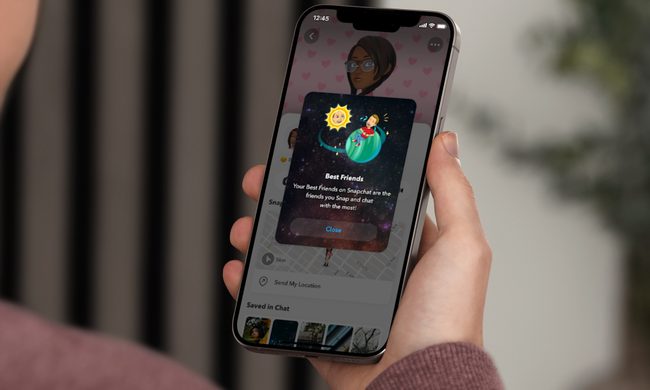
Snapchat Planets Meaning: Order, Rankings, and How Friend Solar System Works
Snapchat Planets turns your best friends list into a solar system, and yes, your orbit says a lot
Snapchat Planets being shown on the Snapchat app on iPhone.

Snapchat+ includes several exclusive features, but few have generated as much curiosity as Snapchat Planets. Part of the app's Friend Solar System, it transforms your Best Friends list into a planetary ranking, assigning each of your top eight friends a planet based on how often you interact.

From Mercury, which represents your closest friend, to Neptune, which represents your eighth closest, the system offers a quick visual snapshot of your interactions. But what do the different planets actually mean, and how does Snapchat decide who gets which one?

Read more
Instagram lands on Samsung TVs, with episodic series and live TV coming to your screen soon
Instagram for TV adds new features for group watching.
instagram-samsung-tv

Meta just expanded Instagram for TV to Samsung Smart TVs across the US, rolling out a bunch of new features built for group viewing. With Samsung now on board, Instagram for TV has officially landed on the three biggest connected TV platforms in the country.

https://twitter.com/metanewsroom/status/2069062429821026732?s=46

Read more
TikTok’s AI slop problem is worse than you think — and kids are seeing the most of it
TikTok

TikTok has spent years perfecting the art of knowing exactly what you want to watch next. Open the app, scroll a few times, and suddenly it’s serving videos that feel uncannily tailored to your interests. But what happens before TikTok learns who you are? According to new research from video editing platform Kapwing, the answer is increasingly AI slop.

The study found that nearly 60% of the videos shown to a brand-new TikTok account were low-quality AI-generated content. That’s not a niche problem buried in obscure corners of the platform. It’s the first impression TikTok is making on new users before the algorithm even begins personalizing their feed. And if that sounds concerning, the findings around children’s content are even harder to ignore.

Read more