
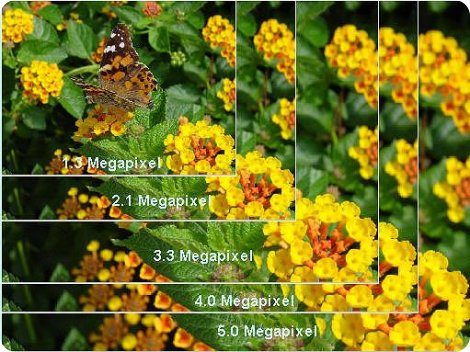
Think back to the camera sensor we spoke of in our compact vs. SLR camera buying guide. Every digital camera has one, and upon it resides an organized array of indescribably small photodiodes called pixels. When digicams first appeared on the scene circa 1990, sensors were capable of perhaps two or three hundred thousand pixels. That sounds like a hell of a lot of pixels, but the truth is that a photo captured on a sensor of that caliber looks, for want of a better expression, “noisy.” Object edges look jagged, smooth textures look irregular, and the entire shot appears rough – especially when enlarged and printed. And that’s why film camera buffs of the time remained rightfully convinced that digital temporarily wasn’t up to snuff.
But technology never sleeps. Soon, we’d figured out how to ram a million pixels (one megapixel) onto a single sensor. Still, the quality of even a small 4×6 digital camera print paled in comparison to that taken by a film camera. Those in the know knew that one day we’d have a digital camera that could take comparable, if not superior, shots – if only we could cram even more pixels on a sensor. And so began the megapixel wars. Megapixel counts soon became the most important parameter, by a long shot, in a digital camera, and people spoke of the number of megapixels in their camera as if bragging about something quite a bit more personal.
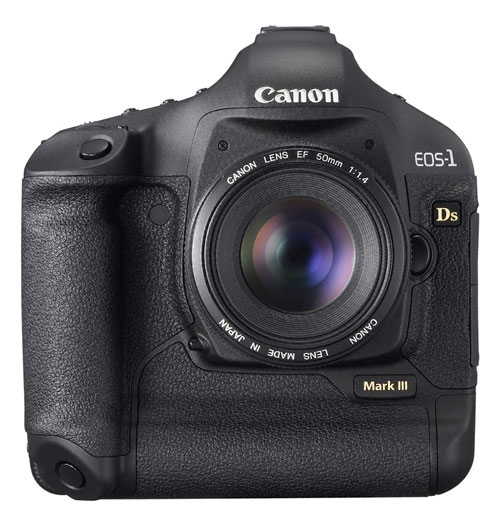
But several years ago we crossed a critical megapixel barrier. The exact number at which that threshold was met is arguable, but most agree it was in the five to six megapixel range. Photos captured on a sensor of this density could reliably be enlarged to an 8×10 or even an 11×14 print. Nevertheless, miniaturization continued unabated and still continues to this day. Now, ten megapixel cameras are commonplace, and some are approaching twenty.
But don’t be fooled. Unless you’re really gearing up for poster-sized prints, you simply don’t need anything more than a ten megapixel camera. Our advice? Never drop a bunch more dollars on a digital camera simply because it’s a megapixel king. And if you don’t fully believe us, head on over to Ken Rockwell’s blog at www.kenrockwell.com. Ken is a great photographer, a respected voice on the subject, and a straight shooter. He’s also highly opinionated. In any case, Ken often shoots at five or six megapixels even when he’s using a camera capable of double or triple that, and he (and we) are perfectly happy with the results.


