Uber’s top lawyer said it would not comply with a California bill that would force it to treat its contract drivers as employees, claiming that drivers are not a core part of the company’s business.
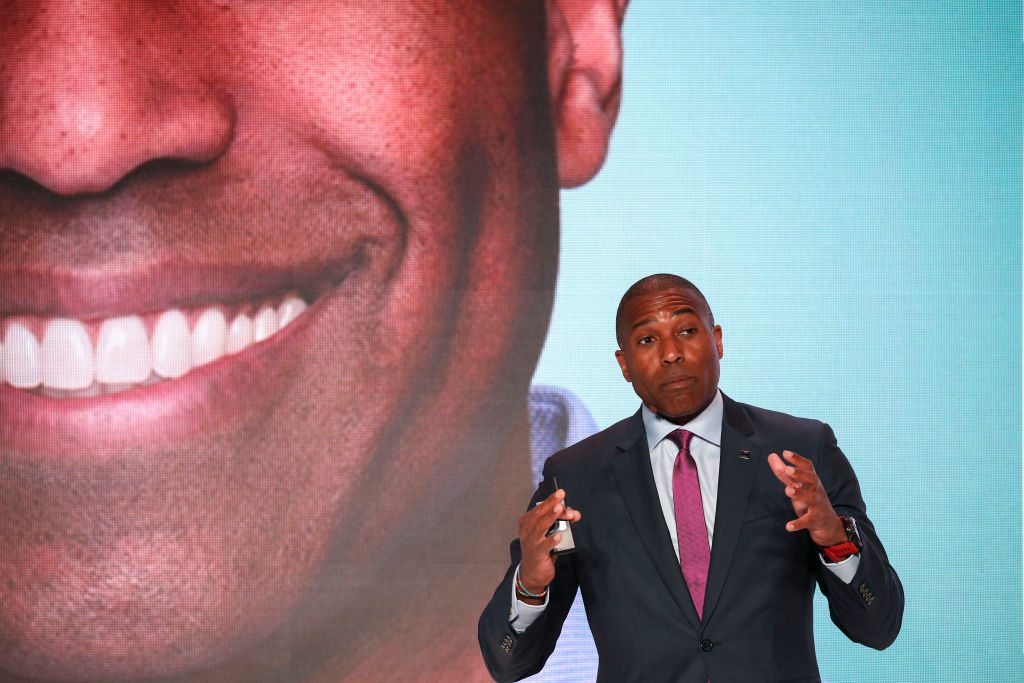
Speaking on a conference call on Wednesday, Uber chief legal officer Tony West pushed back against the newly passed Assembly Bill 5 (AB5), which will require app-based companies in the gig economy to reclassify their workers as regular employees.
West said the company doesn’t plan to make the change when the law goes into effect, essentially saying that drivers would remain independent contractors. The bill established what’s called the ABC test to determine who should be classified as an employee, and West says Uber drivers don’t qualify since they aren’t essential to the business.
“Under that three-part test, arguably the highest bar is that a company must prove that contractors are doing work ‘outside the usual course’ of its business,” he said. ”Several previous rulings have found that drivers’ work is outside the usual course of Uber’s business, which is serving as a technology platform for several different types of digital marketplaces.”
AB5, which is expected to be signed into law by Gov. Gavin Newsom, will go into effect on January 1, 2020, and will enable workers to have basic protections afforded to employees, including minimum wage requirements, health benefits, and Social Security contributions.
West seemed to claim that Uber isn’t a ridesharing platform at all. We contacted Uber to see if it could give additional context on West’s comments and will update this story if we hear back.
Uber, Lyft, and other gig-based companies with huge legal muscle are likely to challenge the bill, which could fundamentally change the way they do business. Despite West’s insistence that drivers aren’t all important to Uber, the law might mean huge changes for the drivers themselves. They might need to work in shifts instead of whenever they want, or even only be able to work for one app at a time instead of multiple services.
“There would be real changes in the way that drivers interact with the platform, and based on what drivers tell us, they are not changes that they would welcome,” West said.
It’s long been speculated that Uber’s endgame is to get rid of drivers altogether. The company has invested major money into its self-driving car program, known as the Advanced Technology Group. While the company experienced a major setback when one of Uber’s self-driving cars struck and killed a pedestrian in Arizona in March of 2018. The company has since relaunched its self-driving car tests in three cities.