
During its first quarter 2020 earnings call, Apple outlined its steps in mitigation planning in light of the Wuhan coronavirus outbreak in China. Given the company’s reliance on the world’s second largest economy to manufacture its hardware products, ranging from wearables to smartphones to tablets and computers, CEO Tim Cook stated that the company is continuing to monitor the situation in the China region.
“The situation is, is emerging and we’re still gathering lots of data points and monitoring it very closely,” said Apple CFO Luca Maestri. “We have a wider than usual revenue range for the second quarter, due to the greater uncertainty. We’re closely following the development of the coronavirus.”
According to Cook, barring an even more widespread outbreak of coronavirus, Apple should not see much disruption to its supply chain. “We do have some suppliers in the Wuhan area,” he said. “All of the suppliers, there are alternate sources.”
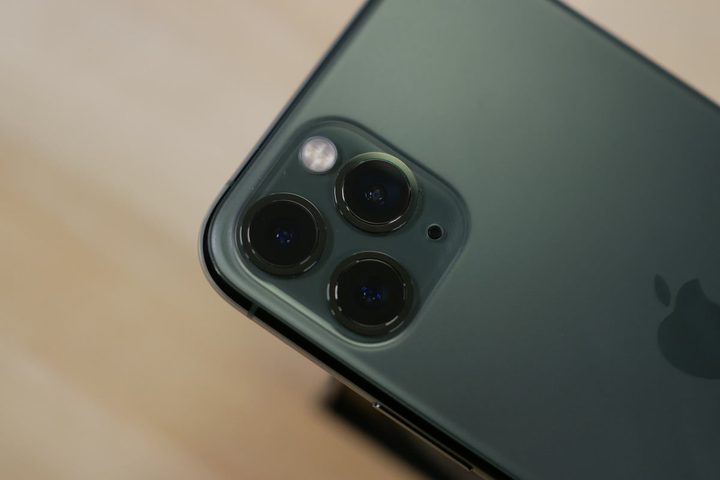
Apple is working on mitigation planning at this stage to “make up any expected production loss,” including finding backup suppliers. Cook said that earning guidance for the following guidance already factored in any projected losses from both production and sales in the region, noting that the impact at this time is not clear.
Because of the outbreak and mandates from the Chinese government, the Lunar New Year holiday in China has been extended, meaning that businesses remain closed longer than expected. Rather than re-opening businesses, factories remained closed until February 10. For Apple that includes factories and stores in the greater China region.
“And we’ve attempted to account for this delayed startup through our larger range of of outcomes that I mentioned earlier, ” Cook said. “With respect to customer demand and sales, we’ve currently closed one of our retail stores and a number of channel partners have also closed their storefronts.”
Retail traffic has also been affected, according to Cook. Even though sales in Wuhan are small for Apple, the company has taken additional precautions, including performing temperature checks for employees.
Performance for Apple prior to the outbreak of the virus was strong, with the company reporting strong sales in the greater China region, which comprises Mainland China, Hong Kong, and Taiwan. Cook and chief financial officer Luca Maestri noted double-digit growth for iPhone, wearables, and services in China.

Despite Apple’s cautious approach to the uncertainty posed by the coronavirus outbreak, manufacturing partner Foxconn remains unphased. The company currently operates Hon Hai Precision Manufacturing, which is responsible for assembling many of Apple’s products. Like Apple, Foxconn stated that it is monitoring the situation, but that business will operate as usual, suggesting that there will be no change to manufacturing schedules.
“Foxconn is closely monitoring the current public health challenge linked to the coronavirus and we are applying all recommended health and hygiene practices to all aspects of our operations in the affected markets,” the company said in a statement, according to a report on The Verge. “Our facilities in China are following holiday schedules and will continue to do so until all businesses have resumed standard operating hours”
Foxconn’s optimism may be good news for Apple and its complex supply chain, given that many electronic components are manufactured and sourced in China.


