Picking a home security system can be a headache. Which one is best for your needs? What are the features? And, most importantly, how much is it going to cost? It can all feel overwhelming. To help, we’ve taken several popular security systems and analyzed them to better help you choose the best protection for your home.
We break down some of the most popular security cameras into two other scorecards, just in case you need more information on what cameras are best for you. Check out our indoor and outdoor security camera scorecards.
What are we looking for?
The main problem with choosing a security system is that there are so many features to compare. To simplify things, we did an apples-to-apples comparison of the top security systems to see which ones provide the best security for your home. Here are the specifics we looked for in a home security system:
Cost
Cost is a major factor in most people’s minds when it comes to choosing a security system. Everyone wants the most bang for the buck. We consider just how many devices you’re getting for the initial price, and then how much you must pay long-term for 24/7 monitoring service fees. While most base kits include a keypad/base station and windows/door sensors, there are some that come with more.
24/7 home monitoring service
When an alarm is triggered, will a real person call to make sure you’re OK? Will someone call for help if you need it? We made sure to ask these questions. When you dish out the cash for a security system, you want to know that you are being backed up by a team that’s committed to keeping you safe. Therefore, 24/7 continuous monitoring is an important factor versus simply receiving notifications through your smartphone.
Battery backup
Power outages happen. When they do, will your system still be able to function? We examine each system to see if they have an emergency backup power supply to keep you safe and informed about any alerts.
Cellular connectivity
Like with a power outage, when your Wi-Fi goes down, there should be some sort of backup to keep your security system working. Many systems will automatically connect to cell service when internet isn’t available. This is key to keeping your home safe in an emergency.
Carbon monoxide detectors
Besides burglary, there are things in the home that may present a problem. Carbon monoxide (CO) is responsible for approximately 50,000 emergency room visits each year, according to the Centers for Disease Control and Prevention. So, if your home has a furnace, gas heating, or a gas oven, then it is important that you have a CO detector that can call for help, just in case you are unable. Interestingly, many security systems don’t include this sensor/detector, so we’re pointing out the ones that do offer dedicated ones — not just sensors that listen for sirens from the various detectors you may already have at home.
Camera verification
False alarms are an aggravation that is common with home security systems, so it is vital that someone from the security alarm company can check out the cause of the security breach before the authorities get called. There are times when you’re preoccupied and perhaps miss a notification about an alarm going off, so it’s peace of mind knowing that someone can verify a real emergency by accessing your home security camera for visual verification.
Home security system scorecard
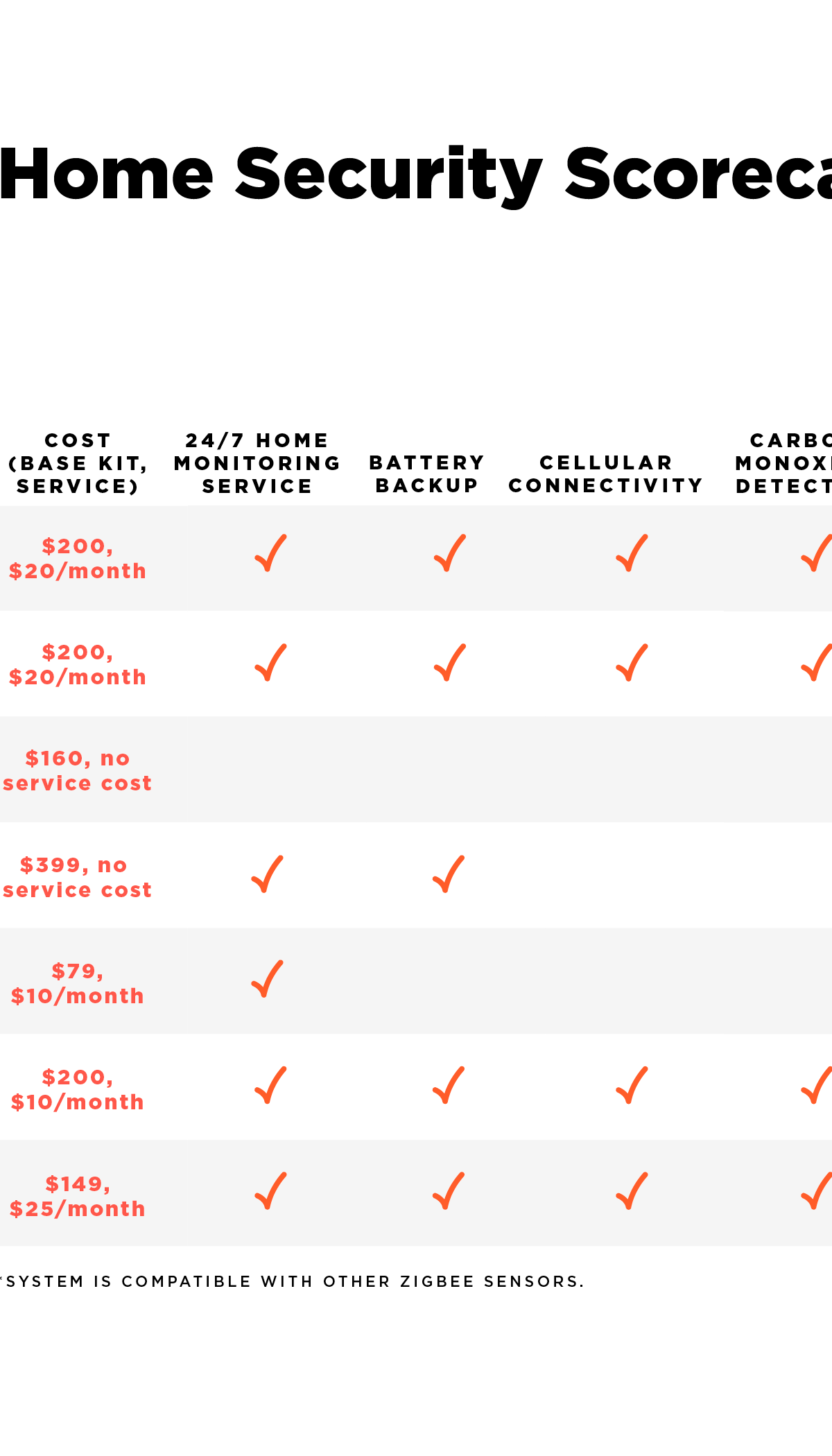
Out of the seven systems we examined, most of them hit all of the factors we looked for. There were some that performed better than others, though. Blue by ADT was one of the most impressive systems we checked out. For around $200 you can get an 11-piece system that ticks every one of our feature boxes (the CO monitor can be purchased separately). Plus, the company has been around for 145 years, so they have the experience and reliability.
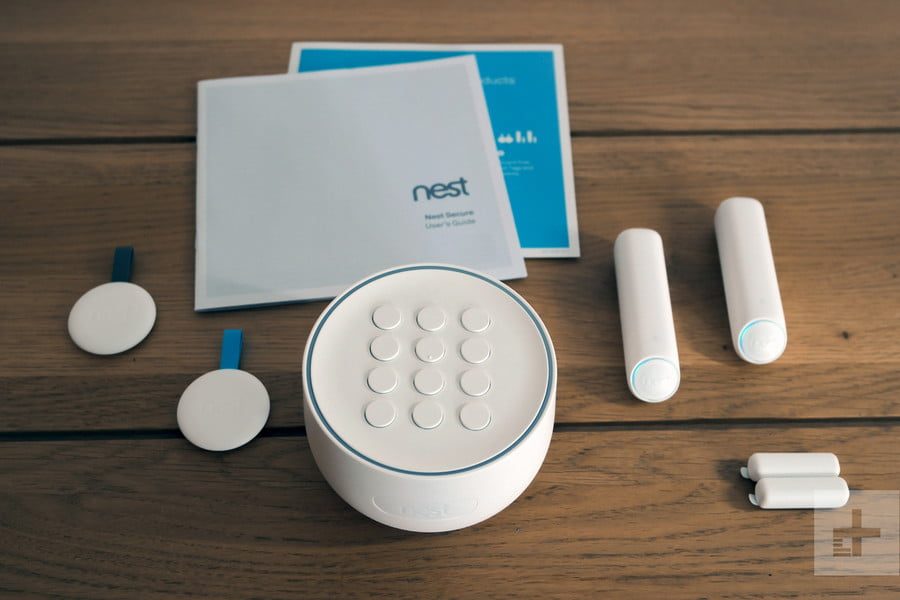
Google’s Nest Secure Alarm system is the most expensive system with a starting cost of $399, and it doesn’t come with a camera or very many window or door sensors. There are some good things about it, though. You can stop the alarm with a wave of the Nest Tag fob, the Nest app, a passcode, or Google Assistant. It also allows you to set customizable time limits for various areas of the home. The unique thing here is its deep roots with Google’s ecosystem, which can leverage its Nest Aware program to listen for sirens and alarms through its various smart speakers and displays. While it has a lot of great, features, it’s still very expensive.
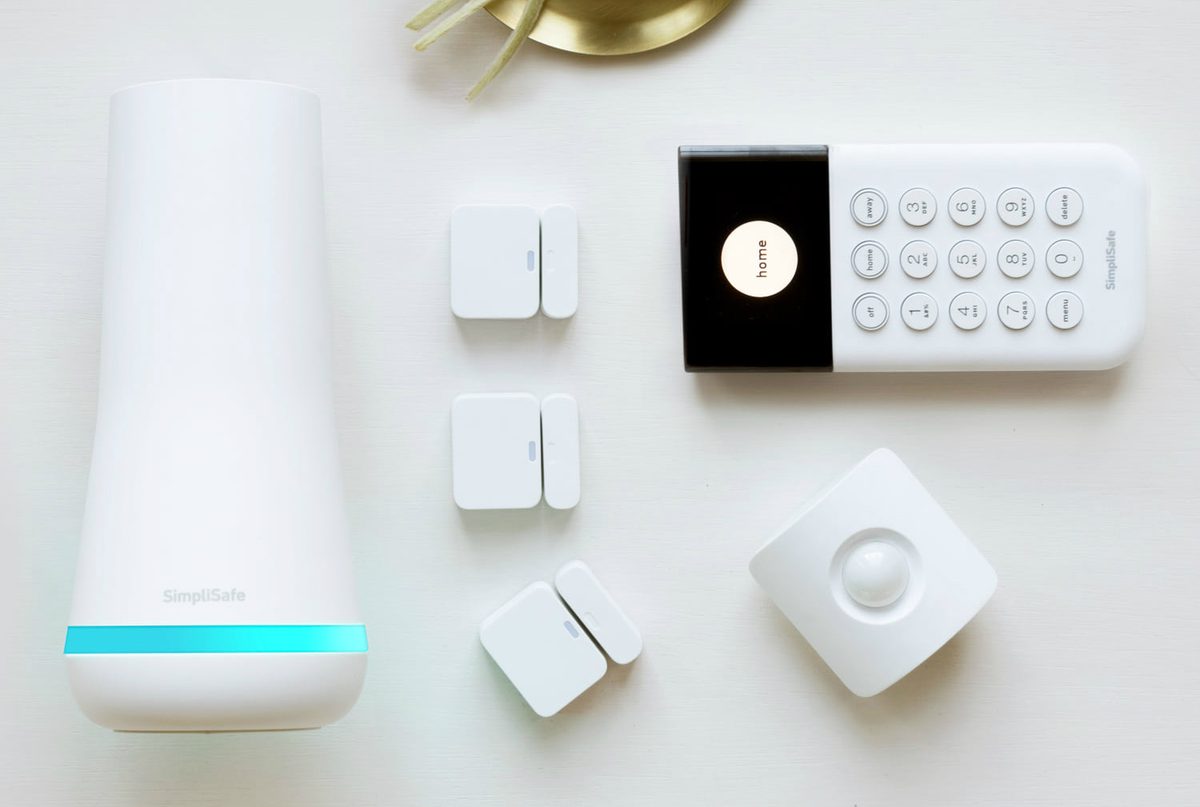
SimpliSafe is the system with a lot of goodies. It has tons of accessories you won’t typically find, like carbon monoxide, water leak, and glass break sensors. Many of its products are beautifully designed and very minimalist. You’ll pay $149 for the SimpliSafe base package and $15 per month for the interactive monitoring plan. While that’s on the low end, you only get two sensors, but it does come with a free camera (the camera seems to be a promotion for now, however, so be prepared to pay more). It also has every single feature we looked for in a system, though the CO detector is sold separately.
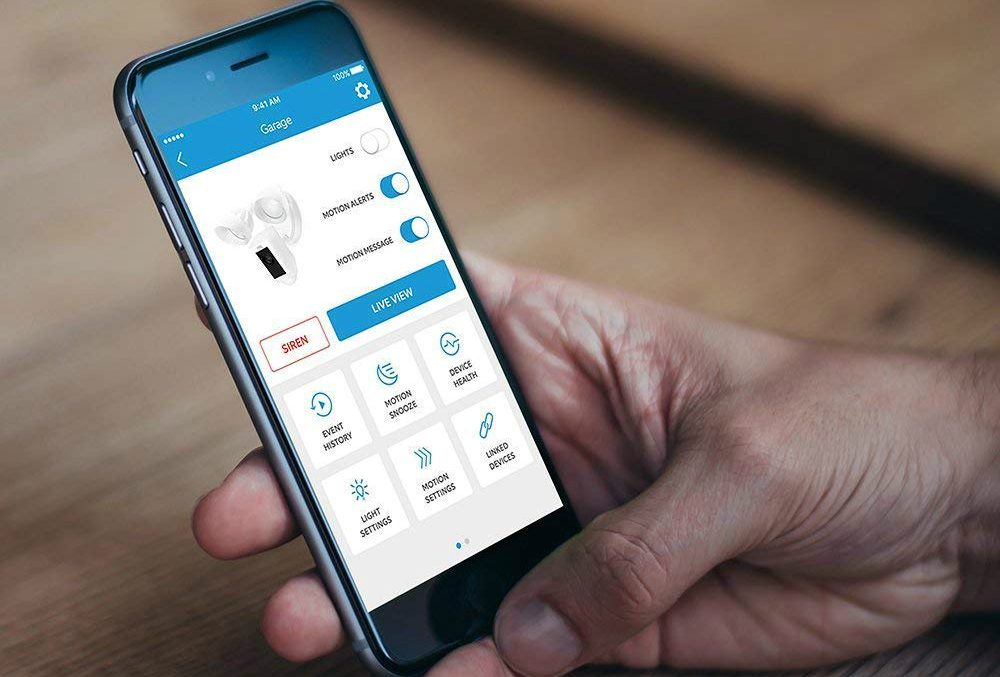
The Ring Alarm Security System starts at $200 for the base five-piece kit, while an eight-piece starter kit with a camera costs $300 — with 24/7 professional monitoring at $10 per month. It’s a logical choice if you’ve already invested in other Ring products, and on top of that, this system has every major feature we looked for minus a dedicated CO detector. However, there’s a sensor that you can buy that’ll listen for alarms from other smoke or CO detectors you may already have. Strangely enough, Ring’s 24/7 monitoring doesn’t offer visual verification.
For $200 and $20 per month for 24/7 professional monitoring services, the Abode Smart Security Kit has almost everything. The camera is sold separately, and it doesn’t have the option to add a dedicated CO detector, but it has everything else we wanted. It also works with 160 different smart devices, so it can be easily integrated into your home’s digital ecosystem.
The Eufy 5-Piece Home Alarm Kit has no monthly fee and costs $160 for the base five-piece alarm kit, which is good. It lacks several of the features that were on our priority list, but cameras can be purchased separately. The biggest thing to note is that Eufy doesn’t offer 24/7 professional monitoring.
And finally, there’s the Kangaroo five-piece system. At $79 for the kit and $10 per month for its Kangaroo Complete plan, it’s the most affordable system. While that’s great, it doesn’t have backup cellular connectivity if the Wi-Fi goes down.
Which one should you buy?
When it comes down to which system you should buy, you need to consider your home’s needs, of course, but there was one big standout in this group for us. Even though we compared basic kits, which are ideal for smaller spaces, there are other kits that come with more sensors and accessories — so it’s a matter of needs.
If you’re looking for a complete solution, one that offers a rich set of sensors and comprehensive monitoring, you’ll want to look at Blue by ADT and SimpliSafe. The two are reputable in the space and continually offer new features and accessories.
Ring and Abode are also wonderful systems to consider, especially if you already have existing smart home gadgets. For example, one advantage that Ring has is that it seamlessly works together with any other Ring products you may already have around your home. Abode also has the advantage of being compatible with a lot of different smart home devices as well.
Safeguarding your home is always a priority, so it’s imperative to find the right system that caters to your needs and budgets.