
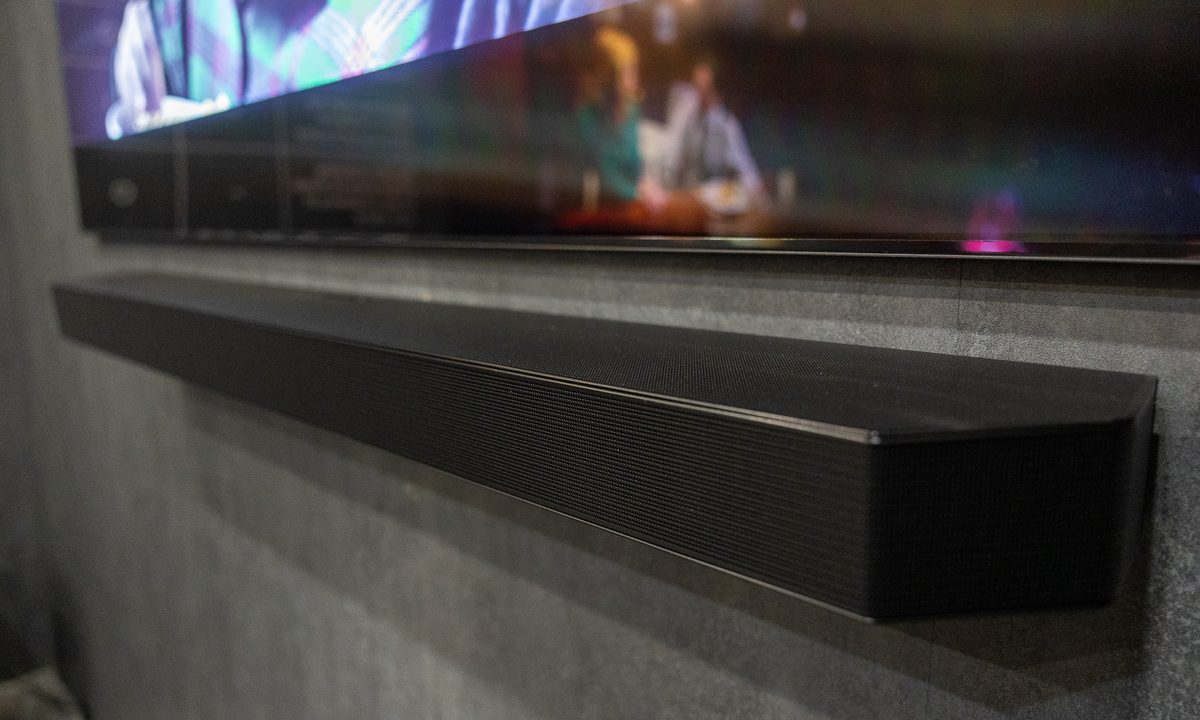

Dolby Atmos is among the most impressive technologies of the last decade, providing an immersive audio experience without having to invest in or set up a multi-speaker surround sound system. A Dolby Atmos soundbar provides an elegant and sleek single-speaker solution for your home entertainment setup.
Shopping for a soundbar can be a bit overwhelming, thanks to the plethora of models to choose from, some of which support Dolby Atmos, and many more that do not. Quality soundbars also run the gamut on pricing, ranging from ultra-premium models to more budget-friendly selections.
If the magic of Dolby Atmos is something you prioritize, then you're in luck, because there's a deep roster of fantastic Dolby Atmos soundbars to choose from. These are our favorites for 2025.






Best overall Dolby Atmos soundbar
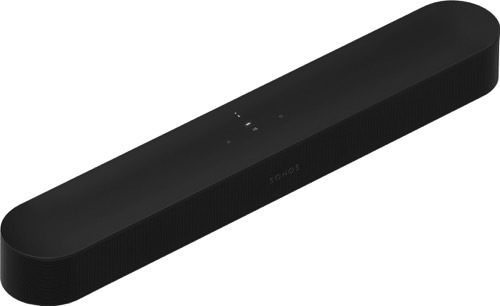
Sonos Arc Ultra
- Big, powerful bass
- Clear and intelligible dialogue
- Immersive Dolby Atmos
- Great for music and movies
- Lots of expansion options
- Bluetooth, Apple AirPlay
- No HDMI input
- No remote
- Highs can be slightly harsh
- Sonos app is still buggy
| Specification: | |
| Size | 46.3 inches (W) x 2.9 inches (H) x 4.3 inches (D), 13 pounds |
| Connectivity | 1 x HDMI eARC, Optical (adapter sold separately), Wi-Fi 6, Bluetooth 5.3, Apple AirPlay 2 |
| Speaker configuration | 9.1.4 |
| Voice control | Sonos Voice Control, Amazon Alexa |
| Power output | Not made available |
Retailing for $999, the Sonos Arc Ultra is Sonos' latest top-of-the-line soundbar and the 2024 follow-up to the original Sonos Arc. Just like its predecessor, the Sonos Arc Ultra carries impressive sound and a polished design. Its slim form factor, which is slightly lighter and thinner in this new generation, makes for a pleasing addition to any TV console or wall-mounted setup.
The Sonos Arc Ultra boasts an impressive 15 amplifiers, driving seven silk-dome tweeters and six midwoofers. The soundbar also features Sonos' new bass technology called Sound Motion, which consists of a four-motor, dual-membrane woofer designed to produce thumping bass in a compact design. The impact of this improved design is felt in the superior audio quality compared with the previous generation.
Our reviewers found that the Sonos Arc Ultra presents a natural and relaxed sound, with great clarity through the mids and impressive bass performance thanks to the new Sound Motion design. While we also detected some harshness in higher frequencies, we still find the Sonos Arc Ultra to be a well-rounded, high-performing, all-in-one soundbar.
Honorable Mention: The Sonos Arc
If you're interested in flagship performance but on a tighter budget, you might consider grabbing the original Arc while it's still available. While the original was only 5.0.2 versus the newer one's 9.1.4 surround, it still packed plenty of punch and might be worth it if you can find it for a bargain.


Best Single-Speaker Atmos Soundbar for under $2,000
Sennheiser Ambeo Soundbar Plus
- Fantastic 3D sound
- Lots of connections
- Built-in room tuning
- Up to 4 wireless subs/1 wired sub
- AirPlay/Chromecast/Tidal Connect
- Alexa built-in
- Dolby Atmos/DTS:X
- Sony 360/MPEG-H
- Still expensive
- Only HDMI 2.0a
- Relies heavily on mobile app
- Weird Alexa integration
| Specification: | |
| Size | 41.3 inches (W) x 3 inches (H) x 4.7 inches (D), 13.89 pounds |
| Connectivity | 1 x HDMI eARC (HDMI 2.1), 2 x HDMI 2.0a inputs, 1 x Optical (S/PDIF), 1 x Stereo RCA, 1 x USB (Type A for accessories), 1 x Mono RCA (Subwoofer Pre-OUT), 1 x RJ-45 Ethernet, Wi-Fi 6, Bluetooth 5.0 |
| Speaker configuration | 7.1.4 |
| Voice control | Amazon Alexa |
| Power output | 400 watts |
Sennheiser is a name absolutely synonymous with quality audio equipment and has been in operation since 1945. The German company entered the soundbar market in 2018 with the original Sennheiser Ambeo and immediately raised the bar (pun intended) in the space. In 2022, the sale of Sennheiser's consumer division was completed, with Swiss holding company Sonova Holding AG taking the reins, but that didn't stop the next-generation AMBEO Soundbar Plus from launching later that year.
The Ambeo Soundbar Plus is an impressive iteration on the sensational original Ambeo, sporting a smaller form factor while delivering the same fantastic 3D sound. Our reviewers found the Plus to be a "sonic delight," and were thoroughly impressed with the sheer power and volume it delivered, and were blown away by the bass output from the soundbar's twin built-in 4" subwoofers. An important feature that sets this soundbar apart is its use of Sennheiser's "Ambeo mode," which boosts 3D audio formats while "upscaling" non-3D formats, to deliver, in concert, a breathtakingly immersive 7.1.4 surround experience, all from what amounts to a single speaker. If you're interested in an alternative to use mostly for movies, you might want to check out the Sony Bravia Theater 9.
Thanks to a smaller design and a friendlier price, the Ambeo Soundbar Plus is a far more accessible way to bring Sennheiser magic to your setup without spending a small fortune. The Ambeo Soundbar Plus retails for $1,499 from Sennheiser, though it can be found for less if you keep your eyes peeled. . If you're looking to splurge or bring down the house, then check out the Ambeo Soundbar Max.

Best Dolby Atmos soundbar for large rooms
Samsung HW-Q990D
- An all-in-one home theater solution
- Built-in Alexa
- Spacefit Sound Pro automatically calibrates based on environment
- Control included
- Expensive
| Specification: | |
| Size | 48.5 inches (W) x 2.7 inches (H) x 5.4 inches (D), 17 pounds |
| Connectivity | 2 x HDMI In, 1 x HDMI Out (eARC), 1 x Optical (Digital Audio Input), Wi-Fi, Bluetooth 5.2, Chromecast, AirPlay, Spotify Connect, Tidal (Hi-Fi) Connect |
| Speaker configuration | 11.1.4 |
| Voice control | Alexa, Bixby, Google Assistant |
| Power output | Not made available |
Samsung's flagship Q990D soundbar is sold as a package deal in a full surround sound setup, complete with a subwoofer and up-/side-firing rear speakers. The Q990D retains an identical form factor to its predecessor, the Q990C, while bringing some additional features to the table. With an MSRP of $2,000 (though often on sale for hundreds less), this four-piece system is an investment.
Billed as an 11.1.4 configuration, the Q990D is powered by a total of 22 speakers, with 15 of those inside the soundbar itself. Six front-firing cone woofers, three dome tweeters, four front wide/side-firing drivers, and two up-firing drivers make up the Dolby Atmos-capable arrangement inside the soundbar. This newest model has added HDMI 2.1 support, allowing for 4K passthrough up to 120 Hz, making it as much an ideal pairing for console gaming as it is for movies and television.
This system also supports Q-Symphony, which allows sound to be played through the soundbar and television simultaneously, enhancing the center channel. Together, this package deal offers an immersive experience that benefits from Dolby Atmos technology without relying on it completely for surround sound. The Q990D supports Alexa voice control for easy music streaming and control.
Best Dolby Atmos soundbar for Bose fans
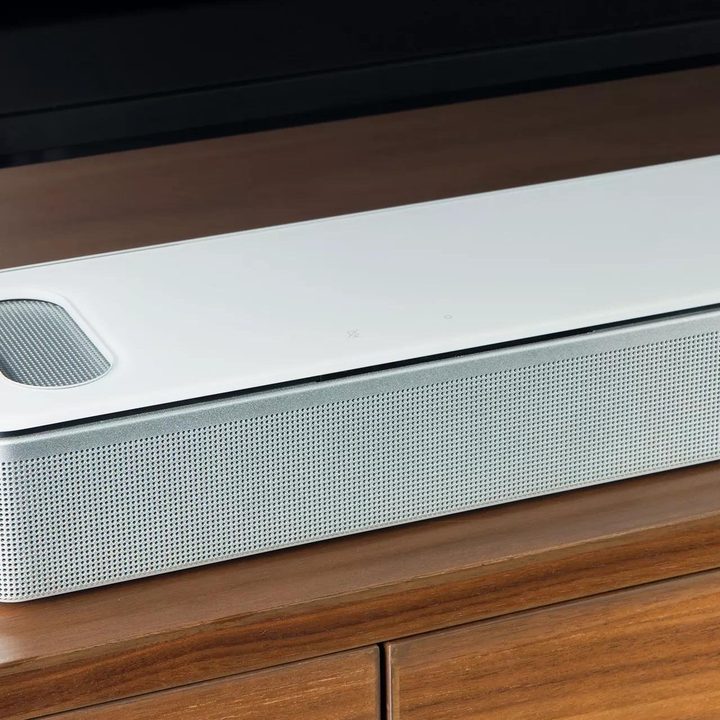
Bose Smart Ultra Soundbar
- Bright sound
- Improved bass over previous generation
- A.I enhanced dialogue mode
- Substantial peak volume
- Supports Wi-Fi
- Discontinued Google Assistant support
- Bose ecosystem is not as rich as some competitors
- No spare HDMI in
| Specification: | |
| Size | 41.1 inches (W) x 2.2 inches (H) x 4.2 inches (D), 12.6 pounds |
| Connectivity | Wi-Fi, Bluetooth 5.0 (33-foot range), Apple AirPlay 2, Chromecast, Spotify Connect |
| Speaker configuration | 5.1.2 |
| Voice control | Amazon Alexa, Google Assistant |
| Power output | Not made available |
Bose brings its substantial history as an industry leader in audio products to its newest flagship soundbar, the Bose Smart Ultra. This model serves as the follow-up to the Bose Smart Soundbar 900 and sits atop the current line of soundbars, whose model names have moved away from the numbered system used previously.
The Bose Smart Ultra Soundbar hops on the AI bandwagon, incorporating the technology into features like AI Dialogue Mode and Bose's ADAPTiQ room sensing calibration tool. This new version is identical in design to its predecessor, while bringing admittedly small changes to the table such as the aforementioned software features, and some minute changes in audio quality. The Smart Ultra retains the same 5.1.2 arrangement as the older Smart Soundbar 900.
While we haven't had the chance to go hands-on with this model just yet, the resounding experience seems to be slightly improved bass performance, with a brighter sound and stronger center channel than the 900. The Bose Smart Ultra soundbar is available from Bose for a reasonable $799, though if previous release timelines are anything to go by, we may be seeing a new flagship soundbar from Bose in 2025.
Best compact Dolby Atmos soundbar
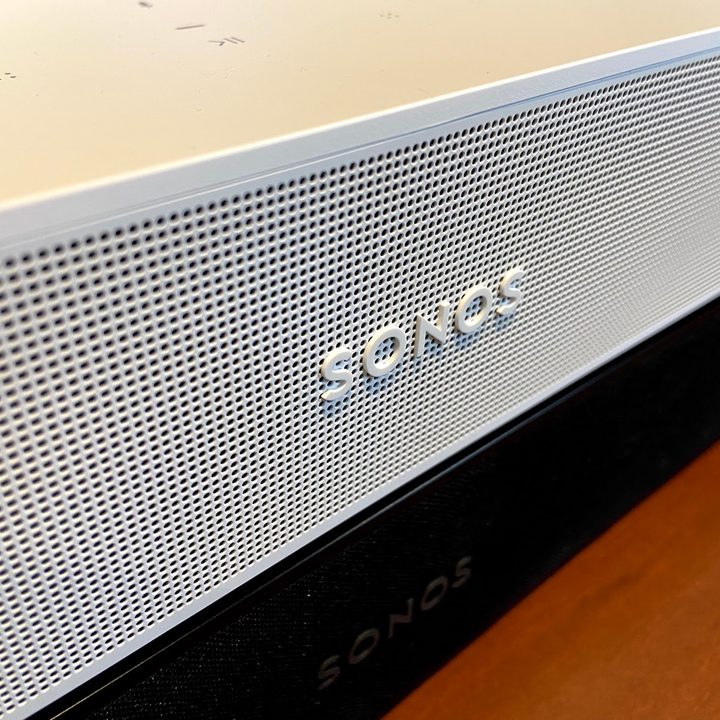
Sonos Beam (Gen 2)
- Easy setup
- Immersive, room-filling sound
- Sleek design
- AirPlay 2
- No HDMI inputs
- Requires compatible TV for Dolby Atmos
| Specification: | |
| Size | 25.6 inches (W) x 2.6 inches (H) x 3.9 inches (D), 6.3 pounds |
| Connectivity | 1 x HDMI eARC, Optical (with adapter), Ethernet (10/100 port), Wi-Fi (2.4 GHz), Apple AirPlay 2 |
| Speaker configuration | 5.0 |
| Voice control | Sonos Voice Control, Amazon Alexa, Google Assistant |
| Power output | Not made available |
Sonos soundbars have a penchant for delivering big, bold audio regardless of actual speaker size, and you'd be amazed how much Dolby Atmos sound the second-gen Sonos Beam can deliver from such a small chassis.
If you're buying an audio product that has "Sonos" somewhere in the name, we're content in saying you're in very good hands — at least in terms of sound quality and versatility. Sonos gear is remarkably easy to install, and the Beam takes that simplicity to the next level.
Out of the box, the only connection you'll be working with is HDMI, although Sonos does provide an HDMI-to-optical adapter for TVs without HDMI ARC capabilities (more on that in a second), and adding the Beam to your Sonos network is just a matter of launching the Sonos app and following the instructions.
Onboard support for Alexa and Google Assistant allows you to use the Beam as a go-to smart speaker, and you can even stream and share audio from an iOS device using Apple AirPlay 2.
In terms of performance, the latest Beam delivers phenomenal soundstaging, especially when you consider the size. There's plenty of detail in the mid- and high-range frequencies, and the bass is pretty punchy, too. But if you think you need a little more rumble, linking a Sonos Sub Mini is never a bad idea.
All in all, the Sonos Beam (Gen 2) grants an impressive entrance into the world of Dolby Atmos sound, and for a relatively affordable price, too.

Best single-speaker soundbar under $800
Klipsch Flexus Core 200
- Fabulous sound
- Striking levels of bass
- Easy setup
- Wired subwoofer output
- Backlit remote
- No Wi-Fi
- Slightly tame height channels
- Can't save settings per input
| Specification: | |
| Size | 44 inches (W) x 3 inches (H) x 4.9 inches (D), 18.7 pounds |
| Connectivity | 1 x HDMI eARC, Bluetooth, USB-C, 1 x Optical (Digital), 1 x RCA Subwoofer Output |
| Speaker configuration | 3.1.2 |
| Voice control | N/A |
| Power output | 185 watts |
From renowned speaker makers Klipsch, the Flexus Core 200 is an outstanding Dolby Atmos soundbar that won’t break the bank at just under $1,000.
It's an excellent-sounding soundbar with clean, deep bass and defined mids and highs that deliver solid simulated surround performance for your movies, TV, sports, and gaming. It's also expandable with the addition of a Klipsch Flexus Sub 100 and Flexus Surr 100 rear speakers. Dialogue clarity on everything you watch is also a key feature, and the Core 200's height-channel virtualization is superb for even more immersive Dolby Atmos performance. Is it on par with a full AV receiver and speaker Atmos system? Of course not, but it’s way better than anything a stereo sound enhancer could do.
The Flexus Core 200 also packs quite a punch in the volume department, pushing 185 watts, and the Klipsch Connect app offers easy usability, EQ customization, volume controls, and surround speaker configuration.
The Flexus Core 200 inputs include HDMI eARC and digital optical for connecting all your necessary input sources.

Best soundbar alternative
Sony Bravia Theater Quad
- Incredibly flexible
- Excellent sound quality
- Convincing Atmos surround
- Easy placement and setup
- Great for movies and music
- Very expensive
- Buggy app
| Specification: | |
| Size | 11.5 inches (W) x 10.8 inches (H) x 2.2 inches (D), 5.5 pounds |
| Connectivity | 1 x HDMI eARC, Ethernet, Wi-Fi (802.11 a/b/g/n/ac), Bluetooth 5.2, AirPlay 2, Spotify Connect |
| Speaker configuration | 4.0.4 |
| Voice control | Google Assistant |
| Power output | Not made available |
While it's definitely not a soundbar, the Sony Bravia Theatre Quad system is an immersive, Dolby Atmos-compatible speaker system designed for those looking to take the immersion to the next level. The Quad system utilizes four slim, wireless speaker modules placed around a room to deliver a surround sound experience that leverages Dolby Atmos with compatible content. Each module contains four drivers: a front-firing tweeter, an up-firing tweeter, a mid-bass driver, and a woofer.
At a retail price of $2,500, the Bravia Theatre Quad is an investment in bringing cinema-like surround sound to your living room or entertainment space. The placement of each speaker is relatively flexible, as the system auto-calibrates the sound to its surroundings. Our reviewers were highly impressed with the Theatre Quad, calling it "the most capable, versatile, user-friendly, mostly-one-box home theater sound system you can buy." After calibrating the system using the BRAVIA Connect app, our reviewer experienced a wonder of immersive sound, which they felt was "open, poignant, punchy, dynamic, and exciting."
It performs quite well when playing music and is compatible with Spotify Connect as well as AirPlay over Wi-Fi. That being said, since it always uses all four modules, with all 16 speakers firing, its true calling is movies and television. Its central control box supports an Ethernet connection as well as HDMI 2.1, meaning it can handle 4K at 120Hz, making it game console-friendly.
If you're looking for real Dolby Atmos immersion beyond what a soundbar can offer, and you don't mind dropping some serious change, then the Bravia Theatre Quad might be for you.
Frequently Asked Questions
A soundbar can both enhance your TV's often meager internal audio and streamline your setup by doing away with the messy cables and cumbersome speakers. No longer do you need multiple speakers to get great quality audio from your TV. A soundbar provides the ability to pare down your setup, particularly if you have a wall-mounted TV.
There are a few key components to watch for when shopping for a soundbar, and the first is audio quality. Check out multiple reviews of soundbars to make sure you’ll be getting what you pay for.
You also want to ensure the soundbar is going to fit your space. If you have a wall-mounted TV, make sure there are mounting brackets in the back, and it’s nice if any additional wall mounting hardware is included. Double-check the dimensions to ensure the soundbar won’t be wider than your furniture if you’re opting to place it on a TV stand (this is particularly important with something like Sonos Arc, as the soundbar is long and heavy).
Finally, you may be inclined to purchase a color other than black. While Sonos makes its speakers and components in white, many manufacturers do not, so if you’re considering aesthetics, keep this in mind.
A wireless subwoofer as part of a soundbar kit takes things a step further by offering better bass and flexibility in positioning, though it does need to be on the floor and unobstructed. Ask yourself how much you like bass. For a lot of us, having some extra rumble and thump in the room can take TV viewing and movie night to a whole other level. Still, other folks may find the intense vibrations to be too much.
Whether or not you need a subwoofer with your soundbar is a matter of personal preference. If you want that additional low-end capability from your soundbar, a separate wireless subwoofer is a great idea. But if you're OK with what you could call average-sounding bass, you'll probably be just fine with a straight-up soundbar. With some, like the Sennheiser Ambeo, the company claims there’s simply no need for an extra sub because the soundbar is just that good.
With a 5.1- or 7.1-channel home theater sound system, your system is pushing specific audio to specific speakers, and that helps to make it sound like it’s coming from different areas in the room. With Dolby Atmos, instead of sending sound to a speaker, it’s pushed to a spot in 3D space, sometimes by more than one speaker.
Dolby Atmos isn’t the sound or the soundtrack, it’s simply metadata that is used by compatible audio gear to control which speakers are reproducing particular sounds and their location.
Key to Dolby Atmos’ ability to give a more all-encompassing 3D sound effect is the addition of overhead channels or speakers. In a true Atmos system, you’d have actual speakers overhead. Perhaps worth noting, the overall Atmos overhead effect is best enjoyed with those dedicated overhead speakers. Some Dolby Atmos soundbars use upward-firing speakers to deliver this effect, while others try to replicate the 3D effect virtually. Using upward-firing speakers from the soundbar is an effective dupe for Dolby Atmos, while virtual replication can be anywhere from OK to great, depending on the soundbar.
In short, yes. As noted above, those overhead speakers are required to create that extra dimension. In a Dolby Atmos soundbar, there are specially built speakers that either direct the sound upward physically (you can often see them under the grill) or they have the ability to use artificial intelligence to simulate pushing that sound to where it needs to be.
Dolby Atmos has some advantages and disadvantages. While it’s definitely been marketed well, it has a competitor: DTS:X. Another surround sound system that adds width and directional sound, DTS:X also provides that third dimension of height for a more immersive 3D experience.
DTS:X launched a few years after Dolby Atmos and offers users more commercial flexibility. When it comes to big theaters, you can only have up to 64 Atmos-enabled speakers, but with DTS:X, there’s no limit. DTS:X costs theater owners nothing to license, unlike Dolby Atmos.
DTS:X is also more flexible when it comes to the number of "objects" a sound engineer can place virtually in a scene. While DTS allows for virtually unlimited objects, Atmos limits the objects in a scene to 128.
So is DTS:X better than Dolby Atmos? Maybe. But Dolby Atmos has a bigger marketing machine behind it, so a lot of folks may never know.
Netflix does support Dolby Atmos content, but to get it, you need to make sure absolutely everything in your setup is Dolby Atmos-ready: The TV, the soundbar and speakers, the content, and your streaming device if you’re not playing via the TV.
While it’s possible to find plenty of Dolby Atmos demo videos on YouTube, they won’t play properly. YouTube doesn’t have support for Dolby Atmos yet.
The simple answer is yes, but this is one of those technologies that you need to experience. You probably thought your old SD or HD TV at home looked great until the first time you walked by a 4K TV in a store and wondered what rabbit hole you’d just fallen down.
The same applies to 3D audio like Dolby Atmos. If you’re sitting at home listening to 5.1 surround sound, you probably think life is pretty good. If any electronics stores near you have a dedicated Dolby Atmos display or test room, it’s really worth going in and listening to the difference. You can really see and hear how a helicopter can take off from the TV screen at the front of the room and then lift up and over your head before fading off into the background.
The overall result is a more realistic, lifelike sound that feels like it’s coming from all around you, not just being beamed at you from two or three speakers pointed in your general direction.
While Dolby Atmos and DTS:X may be the kings of the surround sound hill, there's a new player in town that we're starting to see more of: MPEG-H. We won't get too into the weeds with it here — just go and read our detailed explainer on MPEG-H — but it's a new-ish 360-degree audio format that allows you to do some cool things with the 3D sound space: controlling where the sounds of some objects are coming from (like a helicopter in an action scene coming in from above) or how loud they are (like lowering the volume of an opposing teams fans during a game) to enhancing dialogue so you can hear what's being said better. MPEG-H can currently be experienced with Sony's 360 Reality Audio as well as with the above-mentioned Sennheiser Ambeo soundbar.


