  1. Home
  2. Emerging Tech
  3. Mobile
  4. Legacy Archives

RIM “BlackPad” to Use QNX Operating System?

Add as a preferred source on Google
Image used with permission by copyright holder

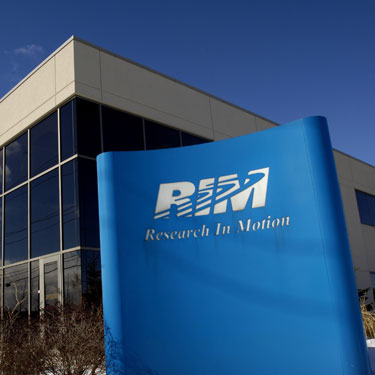
Canada’s Research in Motion just introduced its revamped BlackBerry 6 operating system with the BlackBerry Torch smartphone, but the company is apparently planning something different for its rumored “BlackPad” tablet: an operating system based on technology from QNX, which RIM acquired back in April.

QNX real-time operating systems are used in some motor vehicle software, some medical equipment, networking hardware, and navigation systems—it’s used in BMW’s current audio systems and software used to control the U.S. Army’s unmanned Crusher ground vehicle, for instance. RIM acquired QNX under the auspices of enhancing BlackBerry integration with automotive systems.

Recommended Videos

Now, according to Bloomberg,, RIM intends to base its tablet operating system on technology from QNX. The story cites no specific reason, save that it may have been faster to repurpose QNX’s technology for a tablet due to “legacy code” in BlackBerry 6.

Other companies hav demonstrated that mobile operating systems can scale well to tablet devices: a slew of Android tablets are due to hit the market before the end of the year, and of course Apple is way out in front of the game with its iPad, which runs a version of its iOS mobile operating system.

By rolling out a whole new OS for a BlackBerry tablet, RIM may face challenges, however: not only does it have to re-invent the wheel after putting enormous work and resources into the touch-based BlackBerry 6, but it potentially breaks compatibility with existing BlackBerry applications.

Reports of RIM’s unannounced “BlackPad” tablet began surfacing last month, with the device sporting a 9.7-inch touchscreen display and functioning more as a peripheral to a BlackBerry smartphone than a standalone product: for instance, to get mobile 3G service, the tablet would have to pair with a BlackBerry smartphone.

Geoff Duncan
Former Contributor
Geoff Duncan writes, programs, edits, plays music, and delights in making software misbehave. He's probably the only member…
Claude can now join your Slack channels and work alongside your team
Laptop running Claude Fable

For years, AI assistants have been siloed. You open ChatGPT, Claude, Gemini, or Copilot, type a prompt, get an answer, and move on. Anthropic's new Claude Tag feature takes a different approach. Instead of making employees jump into a separate AI chat every time they need help, it brings Claude directly to where many teams already spend their day: Slack.

Add Claude to a channel, grant it access to needed tools, and tag @Claude for help — whether analyzing data, writing reports, reviewing code, or investigating incidents. But Claude Tag isn't just another chatbot integration. Its key differentiator is that Anthropic positions it as a digital coworker for your team, enabling seamless collaboration where multiple users can jointly interact with the same AI within their work environment.

Read more
Getty Images accused AI of wholesale theft. It’s now an official ChatGPT image partner.
Advertisement, Shop, Clothing

The AI industry's most fascinating stories often come from unlikely alliances, and this is certainly one of them. Getty Images, a company that has spent years raising concerns about how AI models are trained and how creative work is used, is now officially partnering with OpenAI.

The new agreement will allow Getty Images' licensed content to appear across ChatGPT's search and discovery experiences. That means users may begin seeing Getty's professionally licensed photos and visual assets integrated into ChatGPT responses, adding more visual context to searches and AI-generated answers. Getty says the goal is to make AI-powered search more useful and trustworthy by relying on high-quality, licensed content rather than the murky sourcing practices that have sparked countless debates across the AI industry.

Read more
Timekettle’s new X1 Meeting Hub does real-time translation for 50 people and fits in your pocket
Fifty participants, five languages, one 199-gram hub, and no booth required.
Electronics, Screen, Computer Hardware

Professional conference interpretation setups are notoriously painful. Dedicated booths, trained interpreters, bulky hardware, and a bill at the end of every month that makes you rethink whether the meeting was even required in the first place. 

Timekettle wants to collapse all of that into a single hub that weighs 199 grams (less than modern flagship smartphones). The company just launched the X1 Meeting Interpreter Hub. 

Read more