  1. Home
  2. Mobile
  3. Web
  4. Legacy Archives

India May Extend August 31 BlackBerry Deadline?

Add as a preferred source on Google
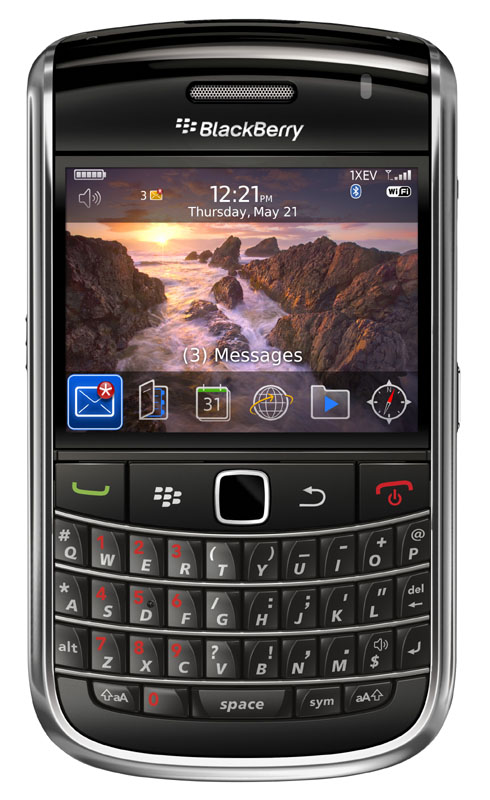
Image used with permission by copyright holder

An Indian government source has told Reuters that the country may extend the date on which it will ban BlackBerry services in the country if Canada’s Research in Motion—the company that makes BlackBerries—can come up with a solution that will enable the Indian government to intercept messages, but just needs more time to deploy it. However, the Indian government is sticking to its hardline stance that the only acceptable solution is one that enables the Indian government to lawfully monitor BlackBerry communications in pursuit of national security.

RIM’s BlackBerry services—particularly those aimed at corporations and enterprises—have been the subject of increasing government scrutiny, since their encrypted communications cannot be read by mobile operators or government agencies. RIM also stores the communications overseas in data centers in North America and the United Kingdom.

Recommended Videos

Countries like India, Saudi Arabia, and the United Arab Emirates are concerned encrypted BlackBerry communications could become a tool for terrorists or militants to plan and execute attacks. The UAE and Saudi Arabia also filter Internet traffic to block information the governments deem immoral or blasphemous to Islam.

Similar concerns in Saudi Arabia apparently led to RIM relenting and locating BlackBerry data center services in the country, but not handing over some back door to decrypt secure communications. For its part, RIM has refused to comment on its agreements and negotiations with governments, including India and Saudi Arabia.

RIM has repeatedly pointed out the two-part encryption key system it uses in BlackBerry communications does not have any back door: messages can only be decrypted by user with their own keys, and RIM does not have access to those encryption keys, or a magic “master key” that enables them to decrypt any arbitrary communication.

BlackBerry has about 1 million users in India; if a ban were to go into effect, users would still be able to use the devices for phone calls and Internet browsing, but not for secured email and communications.

Geoff Duncan
Former Contributor
Geoff Duncan writes, programs, edits, plays music, and delights in making software misbehave. He's probably the only member…
Topics
Snapchat Planets: What’s the order, and what do they mean?
Snapchat Planets turns your best friends list into a solar system, and yes, your orbit says a lot
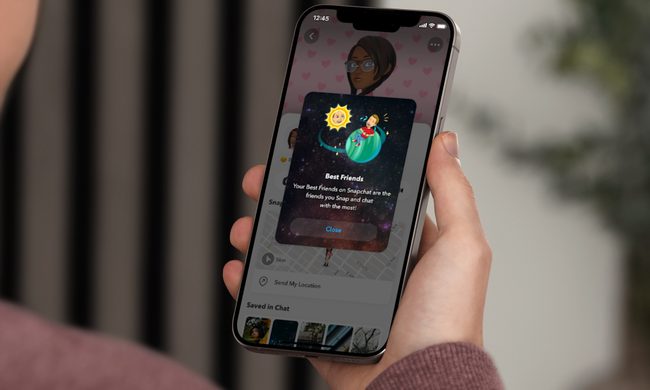
Snapchat Planets being shown on the Snapchat app on iPhone.

Snapchat is already packed with little symbols that can be weirdly hard to decode. You have streaks, emojis, badges, scores, Best Friends, and if you use Snapchat Plus, a tiny solar system that shows where you sit in someone’s closest-friends list.

The feature is called Friend Solar System, though most people just call it Snapchat Planets. It takes your position in a friend’s Snapchat orbit and turns it into a planet. From Mercury to Neptune, these celestial bodies signify how close a person is to you.

Read more
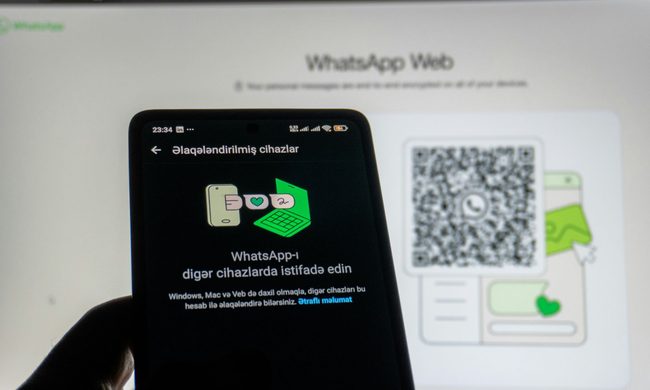
How to use WhatsApp Web
We'll show you how to use WhatsApp on your desktop or laptop
WhatsApp Web

As one of the most popular messaging services, you’ve already heard of WhatsApp. From its humble beginnings in 2009—two years before Apple introduced iMessage—to its acquisition by Facebook (now Meta) in 2014, WhatsApp has become the dominant messaging platform around the globe.

In recent years, it's grown even more potent with new features like video messages, self-destructing voice messages, the ability to edit sent messages, and more. We even finally got an WhatsApp iPad app in May 2025.

Read more
What is WhatsApp? How to use the app, tips, tricks, and more
From setting it up to mastering hidden features, here is your complete guide to WhatsApp.
WhatsApp app store listing open on iPhone

There's no shortage of messaging apps out there. The past decade has given us more options than we know what to do with, largely because smartphones demanded something better than plain old SMS.

Both the App Store and the Play Store are packed with apps that promise to revolutionize the way we communicate. Most of them didn't make it. The truth is, a messaging app is only as good as the number of people using it, and most apps never cross that threshold.

Read more