  1. Home
  2. Mobile
  3. Legacy Archives

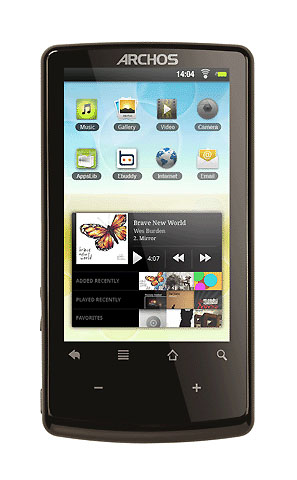
Archos 32 Internet Tablet offers Android without a phone

Add as a preferred source on Google
Image used with permission by copyright holder

Google’s Android operating system might be running up great business in smartphones, but a flood of Android-based tablets are due to hit the market in time for the end-of-year holidays—and there’s no reason Android can’t be applied to phone-sized portable media players and gaming systems. With that in mind, Archos has announced the availability of its Archos 32 Internet Tablet, featuring a 3.2-inch touchscreen, Wi-Fi and Bluetooth connectivity (USB in a pinch), VGA video camera, composite video output, and Android 2.2 Froyo—all a price tag under $150, designed to take on the likes of the iPod touch.

The Archos 32 Internet Tablet strains the definition of “tablet” with a 3.2-inch 400 by 240-pixel touchscreen display, but it does feature Google’s suite of Internet capabilities (including an integrated Web browser, access to the Android Market for apps, expanded capabilities, and, of course, games. Under the hood, the device runs an 800 Mhz ARM Cortez A8 processor at 800 Mhz, and the Archos 32 Internet Tablet stays true to Archos’s penchant for digital media: the device supports a broad variety of file formats, including MPEG4, H.264, WMV9/VC1, Motion JOEG, MP3, AAC, Ogg Vorbis, and FLAC, and it can shot VGA-resolution video with its integrated camera and mic, and users can push video to televisions using a composite video output—sorry, no HDMI.

Recommended Videos

The Archos 32 Internet Tablet is available now for $149.99; it isn’t a phone and doesn’t offer 3G connectivity, but nor does it come with a pricey two-year contract. And for folks looking for entertainment and Internet connectivity in their pocket, it’s also cheaper than Apple’s iPod touch and runs Android—although the iPod touch packs a higher resolution display and camera.

Geoff Duncan
Former Contributor
Geoff Duncan writes, programs, edits, plays music, and delights in making software misbehave. He's probably the only member…
Snapchat Planets: What’s the order, and what do they mean?
Snapchat Planets turns your best friends list into a solar system, and yes, your orbit says a lot
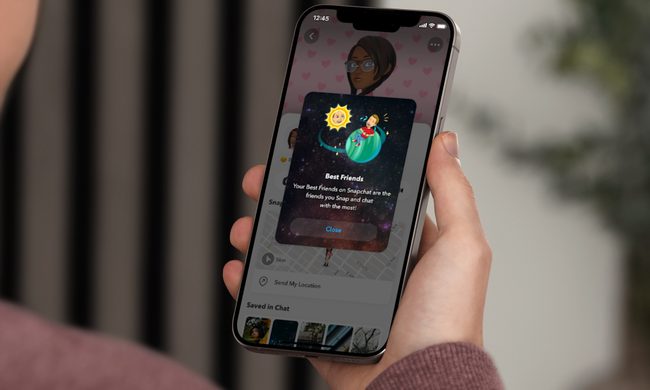
Snapchat Planets being shown on the Snapchat app on iPhone.

Snapchat is already packed with little symbols that can be weirdly hard to decode. You have streaks, emojis, badges, scores, Best Friends, and if you use Snapchat Plus, a tiny solar system that shows where you sit in someone’s closest-friends list.

The feature is called Friend Solar System, though most people just call it Snapchat Planets. It takes your position in a friend’s Snapchat orbit and turns it into a planet. From Mercury to Neptune, these celestial bodies signify how close a person is to you.

Read more
How to use WhatsApp Web
We'll show you how to use WhatsApp on your desktop or laptop
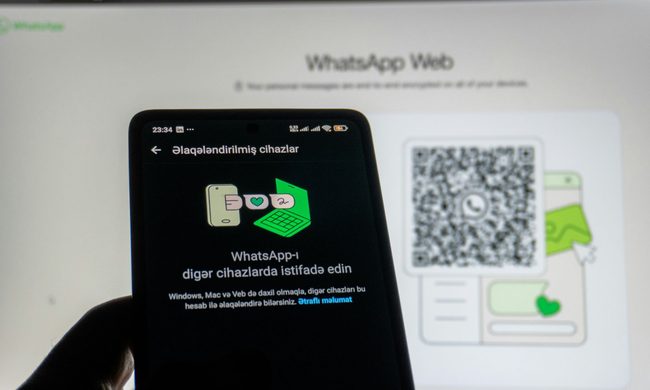
WhatsApp Web

As one of the most popular messaging services, you’ve already heard of WhatsApp. From its humble beginnings in 2009—two years before Apple introduced iMessage—to its acquisition by Facebook (now Meta) in 2014, WhatsApp has become the dominant messaging platform around the globe.

In recent years, it's grown even more potent with new features like video messages, self-destructing voice messages, the ability to edit sent messages, and more. We even finally got an WhatsApp iPad app in May 2025.

Read more
What is WhatsApp? How to use the app, tips, tricks, and more
From setting it up to mastering hidden features, here is your complete guide to WhatsApp.
WhatsApp app store listing open on iPhone

There's no shortage of messaging apps out there. The past decade has given us more options than we know what to do with, largely because smartphones demanded something better than plain old SMS.

Both the App Store and the Play Store are packed with apps that promise to revolutionize the way we communicate. Most of them didn't make it. The truth is, a messaging app is only as good as the number of people using it, and most apps never cross that threshold.

Read more