1. Home
  2. Mobile
  3. Legacy Archives

LG Optimus One bets on Android, skips North America

Add as a preferred source on Google

Struggling South Korean phone maker LG has entered the Android fray, announcing its first Android-powered smartphone in the form of its new Optimus One “with Google,” which features a 3.2-inch touchscreen display and Android 2.2 “Froyo,” with LG’s own LG user interface. And LG is optimistic it will sell as many as 10 million of the handset through some 120 carrier partners in 90 countries…however, right now, those plans don’t include the North American market.
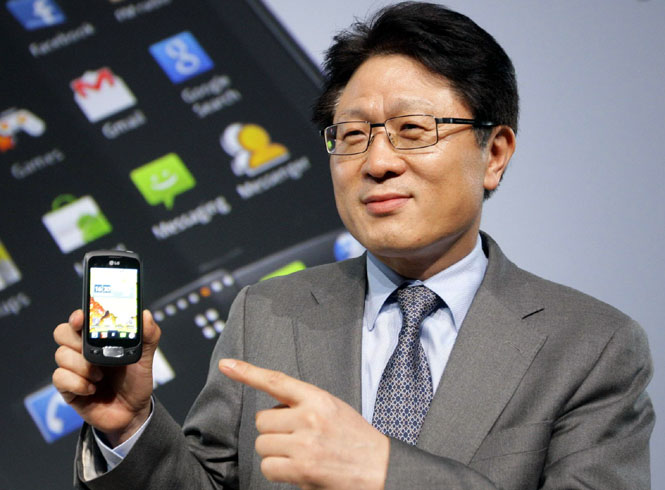
Image used with permission by copyright holder

“LG has a vision of helping people access information fast and easily, no matter where they are. We believe the Optimus series will play a significant role in accomplishing our vision,” said LG Mobile Communications CEO and president Skott Ahn, in a statement.

Recommended Videos

LG has been struggling to make a dent in the smartphone market, and has yet to see a smartphone sell more than one million units. The company racked up a record loss in handset sales last quarter and has already warned of a similar loss this quarter. The company is betting in the Optimus One, it’s more-stylish smaller cousin the Optimus Chic, and forthcoming Windows 7 Phone series devices to turn its fortunes around.

The Optimus series include both 3G and Wi-Fi connectivity, a camera with face-tracking and smile detection, and the full range of Google applications (including access to the Android Market). LG says it worked hard to make the Optimus One a savvy first smartphone for consumers, and includes an exclusive LG App Advisor that recommends ten highly-rated applications to users every two weeks. Users will also be able to remotely control their phones from their PCS, using LG Air Sync to synchronize contacts, photos, and other information with a home computer or cloud-based service. The phone is also a DLNA client, so it can easily share content with DLNA-compatible devices in the home.

LG hasn’t announced pricing for the Optimus One, but plans to launch the device in Europe this October, with other EMEA and Asia-Pacific countries following thereafter. The company has not announced any intention to bring the phone to the North American market.
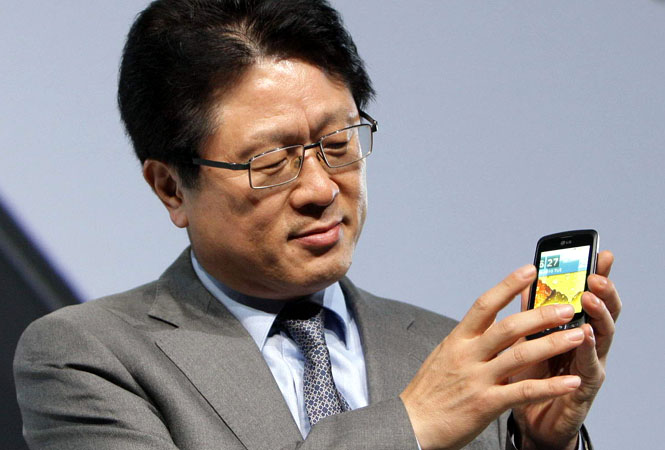
Image used with permission by copyright holder
Geoff Duncan
Former Contributor
Geoff Duncan writes, programs, edits, plays music, and delights in making software misbehave. He's probably the only member…
Snapchat Planets: What’s the order, and what do they mean?
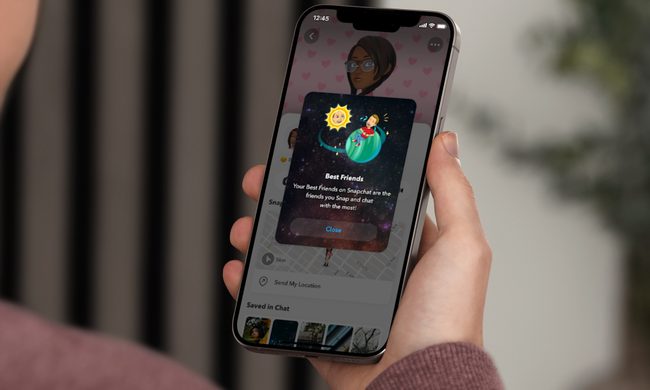
Snapchat Planets turns your best friends list into a solar system, and yes, your orbit says a lot
Snapchat Planets being shown on the Snapchat app on iPhone.

Snapchat is already packed with little symbols that can be weirdly hard to decode. You have streaks, emojis, badges, scores, Best Friends, and if you use Snapchat Plus, a tiny solar system that shows where you sit in someone’s closest-friends list.

The feature is called Friend Solar System, though most people just call it Snapchat Planets. It takes your position in a friend’s Snapchat orbit and turns it into a planet. From Mercury to Neptune, these celestial bodies signify how close a person is to you.

Read more
How to use WhatsApp Web
We'll show you how to use WhatsApp on your desktop or laptop
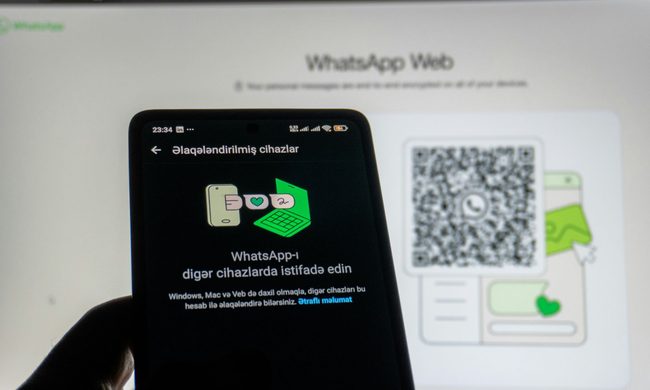
WhatsApp Web

As one of the most popular messaging services, you’ve already heard of WhatsApp. From its humble beginnings in 2009—two years before Apple introduced iMessage—to its acquisition by Facebook (now Meta) in 2014, WhatsApp has become the dominant messaging platform around the globe.

In recent years, it's grown even more potent with new features like video messages, self-destructing voice messages, the ability to edit sent messages, and more. We even finally got an WhatsApp iPad app in May 2025.

Read more
What is WhatsApp? How to use the app, tips, tricks, and more
From setting it up to mastering hidden features, here is your complete guide to WhatsApp.
WhatsApp app store listing open on iPhone

There's no shortage of messaging apps out there. The past decade has given us more options than we know what to do with, largely because smartphones demanded something better than plain old SMS.

Both the App Store and the Play Store are packed with apps that promise to revolutionize the way we communicate. Most of them didn't make it. The truth is, a messaging app is only as good as the number of people using it, and most apps never cross that threshold.

Read more