1. Home
  2. Mobile
  3. Legacy Archives

Apple gets patent for censoring text messages

Add as a preferred source on Google
Digital Trends

Although Apple applied for it all the way back in 2008, the U.S. Patent and Trademark Office has just awarded Apple, Inc. a patent on technology that could be used to block or censor text messages that contain potentially offensive terms. Although the patent uses the phrase “objectionable content” rather then “sexting,” it’s reasonably clear what Apple has in mind: giving parents the ability to prevent their children from sending or receiving naughty text messages. Of course, Apple notes the technology can have other applications: for instance, the technology could be used to require a child use a particular number of Spanish words per day, if they’re learning Spanish.

The technology can be applied both to outgoing and incoming texts. Incoming text messages can be blocked or have terms removed or substituted when they’re delivered; similarly, devices using the feature could substitute more-acceptable words for censored terms, or refuse to send the message at all if it contains objectionable terms. The technology can also alert parents or administrators (say, if the device were being used in a school setting) that inappropriate terms were being used.

Recommended Videos

Of course, children have been circumventing parents’ efforts to control their communications for as long as humans have been communicating, and there’s little doubt that children will quickly find substitute words, slang, and unfiltered terms to get their meanings across. However, the technology does give Apple another way to help its technology feel somewhat safer to parents—last year, an AP/MTV poll found that the majority of young Americans have “sexted.” And, of course, if the patent holds up Apple can charge other companies license fees for using the same technology in their products.

Geoff Duncan
Former Contributor
Geoff Duncan writes, programs, edits, plays music, and delights in making software misbehave. He's probably the only member…
Topics
Snapchat Planets: What’s the order, and what do they mean?
Snapchat Planets turns your best friends list into a solar system, and yes, your orbit says a lot
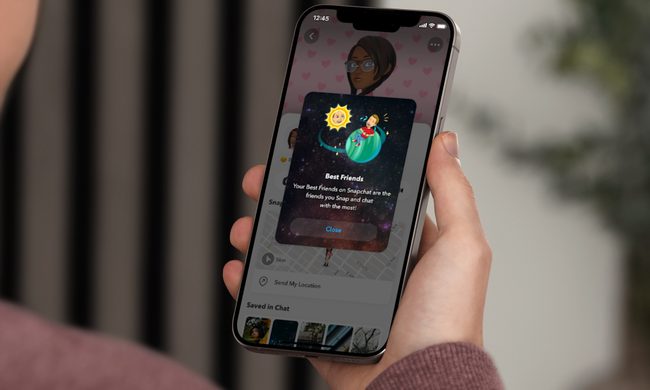
Snapchat Planets being shown on the Snapchat app on iPhone.

Snapchat is already packed with little symbols that can be weirdly hard to decode. You have streaks, emojis, badges, scores, Best Friends, and if you use Snapchat Plus, a tiny solar system that shows where you sit in someone’s closest-friends list.

The feature is called Friend Solar System, though most people just call it Snapchat Planets. It takes your position in a friend’s Snapchat orbit and turns it into a planet. From Mercury to Neptune, these celestial bodies signify how close a person is to you.

Read more
How to use WhatsApp Web
We'll show you how to use WhatsApp on your desktop or laptop
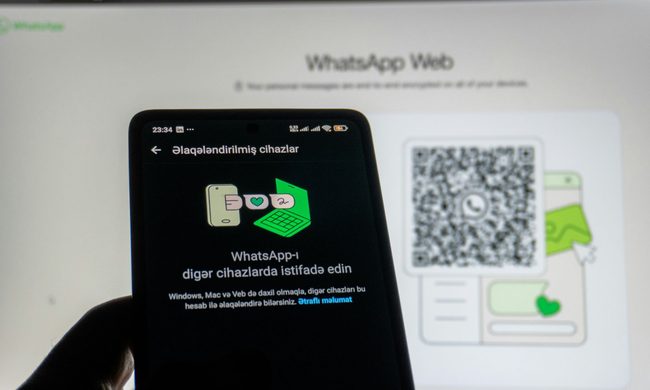
WhatsApp Web

As one of the most popular messaging services, you’ve already heard of WhatsApp. From its humble beginnings in 2009—two years before Apple introduced iMessage—to its acquisition by Facebook (now Meta) in 2014, WhatsApp has become the dominant messaging platform around the globe.

In recent years, it's grown even more potent with new features like video messages, self-destructing voice messages, the ability to edit sent messages, and more. We even finally got an WhatsApp iPad app in May 2025.

Read more
What is WhatsApp? How to use the app, tips, tricks, and more
From setting it up to mastering hidden features, here is your complete guide to WhatsApp.
WhatsApp app store listing open on iPhone

There's no shortage of messaging apps out there. The past decade has given us more options than we know what to do with, largely because smartphones demanded something better than plain old SMS.

Both the App Store and the Play Store are packed with apps that promise to revolutionize the way we communicate. Most of them didn't make it. The truth is, a messaging app is only as good as the number of people using it, and most apps never cross that threshold.

Read more