  1. Home
  2. Mobile
  3. Legacy Archives

iOS 4.1 security flaw bypasses passcode lock screen on iPhones

Add as a preferred source on Google
Image used with permission by copyright holder

No operating system is completely secure, and it appears Apple’s iOS 4.1 is not about to become an exception. A fairly significant security flaw is being reported that allows anyone to bypass the iPhone’s security-protected lockscreen and gain access to the phone app, text messaging, and even look through stored phots. Access to the phone app means it’s possible to make calls, view call history, and look through stored contacts. It’s not the first time the iPhone has had this sort of security issue exposed.

The iPhone’s “passcode lock” feature is designed to prevent anyone from accessing the device without first entering a predetermined passcode. It now looks like key features are accessible to anyone with physical access to an iPhone running the latest firmware – a very frightening thought during a time of year that’s spooky enough already.

Recommended Videos

The flaw is exposed like this: from the passcode screen select the “emergency call” button, enter a few random numbers, then hit the green call button while simultaneously hitting the “sleep button.” That should immediately bring up the phone app where it becomes possible to make calls and browse through contacts. From there it’s possible to access a phone’s photos by going to the contact list and selecting “share contact” and then “MMS” and then the selecting the camera icon. Accessing and sending text messages is just as easy.

While we only tested for the flaw on a 3GS, it’s been reported that 3Gs and iPhone 4s are vulnerable as well. Apple has yet to comment on the flaw, but we suspect it won’t be long until the issue is addressed in a new firmware upgrade.

Aemon Malone
Former Digital Trends Contributor
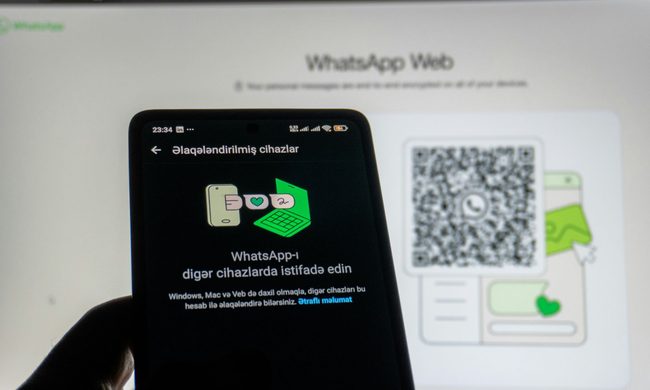
How to use WhatsApp Web
We'll show you how to use WhatsApp on your desktop or laptop
WhatsApp Web

As one of the most popular messaging services, you’ve already heard of WhatsApp. From its humble beginnings in 2009—two years before Apple introduced iMessage—to its acquisition by Facebook (now Meta) in 2014, WhatsApp has become the dominant messaging platform around the globe.

In recent years, it's grown even more potent with new features like video messages, self-destructing voice messages, the ability to edit sent messages, and more. We even finally got an WhatsApp iPad app in May 2025.

Read more
What is WhatsApp? How to use the app, tips, tricks, and more
From setting it up to mastering hidden features, here is your complete guide to WhatsApp.
Electronics, Phone, Mobile Phone

There's no shortage of messaging apps out there. The past decade has given us more options than we know what to do with, largely because smartphones demanded something better than plain old SMS.

Both the App Store and the Play Store are packed with apps that promise to revolutionize the way we communicate. Most of them didn't make it. The truth is, a messaging app is only as good as the number of people using it, and most apps never cross that threshold.

Read more
How to restore deleted or missing contacts on your iPhone
Lost your iPhone contacts? Here's how to get them back in minutes!
iPhone in hand showing restore contacts page

At some point, we all stopped memorizing phone numbers. It happened gradually, and now most of us can barely recall two or three phone numbers off the top of our heads. So when your iPhone contacts vanish, whether after a software update or an accidental delete, it can feel like a minor crisis.

Thankfully, if you act fast, you can easily restore deleted contacts on your iPhone. So, before you start texting people asking for their numbers again, try these methods to get your contacts back. These methods will work on all latest iPhone models.

Read more