  1. Home
  2. Computing
  3. Legacy Archives

Apple brings social playlists to iTunes’ Ping

Add as a preferred source on Google

Apple is still struggling to find converts for its Ping music sharing “social network” it’s built into iTunes, but the company is taking some steps to make Ping more useful to folks who do use it: Ping users can now share iTunes Playlists via their Ping profiles, and collaborate on playlists with their friends. The feature is available immediately to all users of iTunes 10; no separate software update is required.

Using the new features, users can publish playlists so they will be visible to their Ping friends—making it easy to share that epic mix of holiday tunes your best friends swear they’ve never heard before. Ping friends can rate and review published playlists, and Ping users who really trust their friends—or just want a good laugh—can grant permission for friends to edit their playlists.
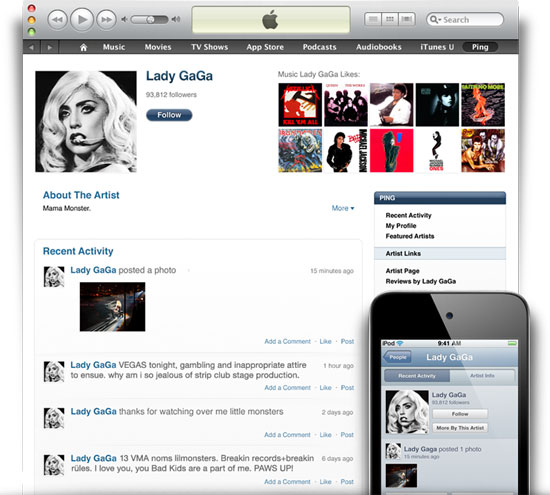
iTunes 10 Ping
Image used with permission by copyright holder

As with other Ping activity, songs only matter if they’re available via iTunes. This has the upside that users can add tracks to their playlists even if they don’t own them—so long as they’re available via iTunes, they’re eligible. The flip side, of course, is that users can’t add anything that’s not available via iTunes: those songs are quietly removed. Playlists are also limited to a somewhat arbitrary 100 songs.

Recommended Videos

Overall, Apple’s Ping music sharing network still feels like a walled garden: since Apple wasn’t able to work out a deal with Facebook, sharing music via Ping can be a very isolating experience for folks who live and die by Facebook status updates. However, iTunes has also improved Ping’s integration with Twitter.

Geoff Duncan
Former Contributor
Geoff Duncan writes, programs, edits, plays music, and delights in making software misbehave. He's probably the only member…
Topics
Apple just raised Mac prices, and Prime Day is your last chance to buy them at old prices
Five MacBook deals at pre-hike prices, while they last.
Computer, Electronics, Laptop

Apple stunned the industry when it launched the MacBook Neo in March 2026 for just $599 ($499 for students), especially as most PC makers were raising prices. Unfortunately, that era is already over. 

On June 25, Apple increased the prices of the MacBook Neo, M5 MacBook Air, and several MacBook Pro models by up to $300. If you've been planning to buy a MacBook, the ongoing Prime Day 2026 sale may be your last opportunity to buy one at the old-time pricing.

Read more
The Macflation crisis is here, and I just dodged it by a hair
Had I been 10 days late, I would have had to spend another $200 to get the same 13-inch M5 MacBook Air.
MacBook Air M5

When Apple finally caved to the memory crisis and increased prices across Mac and iPad on June 25, 2026, most people reacted with disbelief, frustration, or resigned acceptance. Mine was a quiet, slightly wicked smile, and in about two to three minutes, you'll understand exactly why.

My M1 MacBook Air (8GB, 256GB) has been showing its age since last year. It was starting to crack under pressure. Whenever I opened more than 10 or 15 Chrome tabs, it would protest quietly before crashing, forcing me to ration them. Video exports, even casual ones, started taking noticeably longer. I did everything I was supposed to do, but none of it made a meaningful difference.

Read more
Microsoft Copilot can now handle more of your finance work in Excel with reusable skills and data connectors
Live financial data now flows straight into your spreadsheet.
copilot-for-excel-finance

Microsoft just gave Copilot in Excel a serious upgrade for anyone who spends their day buried in spreadsheets. The update centers on three things finance teams actually care about: reusable workflows, live data straight from trusted sources, and a clear record of exactly what Copilot edited in your sheet.

https://twitter.com/satyanadella/status/2070180313654063255?s=46

Read more