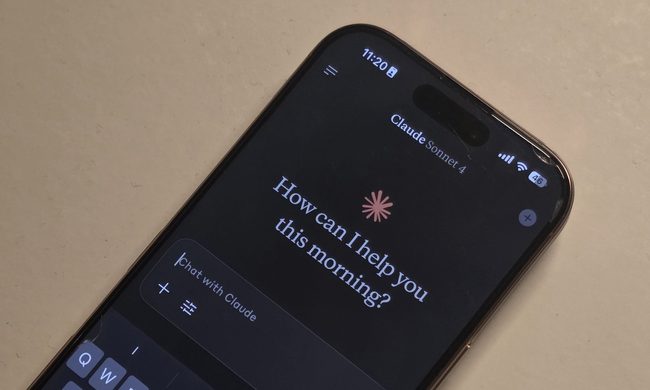
The new MacBook Pro is here, and boy is it the overhaul Apple’s laptop desperately needed. Yet for all the much-requested features — the return of MagSafe, the better display, the incredible chips — there’s one thing I literally cannot see past: It has a freaking notch.
We’ve been here before. Remember when Apple first unveiled the iPhone X in 2017? It was a groundbreaking device for Apple — the company’s first all-screen phone stuffed full of new technologies and increased performance. Yet what did everyone fixate on? The notch at the top of the display.
And what did Apple expect? It was hard to miss a chunky black slab folding over the top of the screen. It obscured your movies and got in the way of text you were reading. It was intrusive and, yes, it’s still there on the iPhone 13, albeit now slightly smaller.
But at least in the iPhone there’s a reason for its existence. It houses the superb Face ID system, which comprises a bunch of high-tech sensors that scan your face and verify you are who you claim to be. Without it, unlocking an iPhone would be much easier for any random person who found your phone, and the device security of millions of people would be much more lax.
With the MacBook Pro, things aren’t quite that simple.
Face ID on the Mac
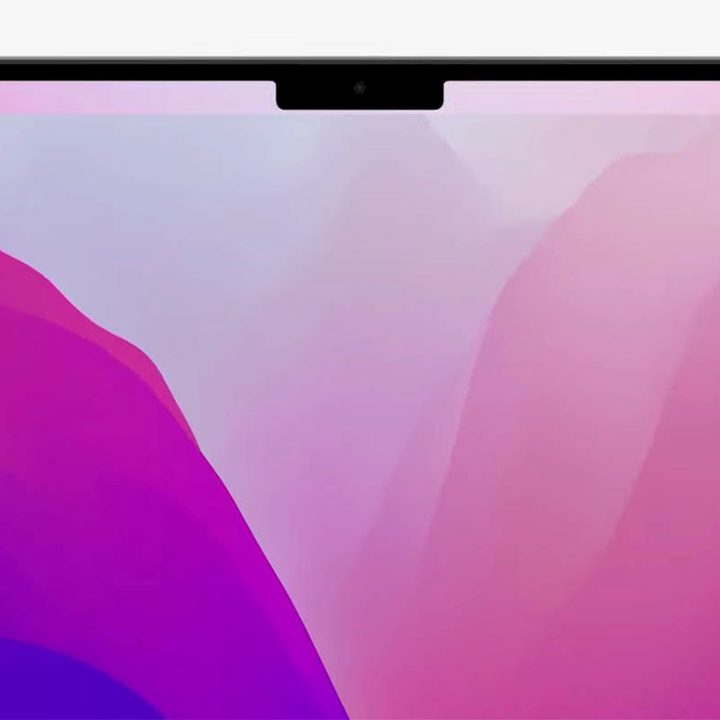
You see, unlike in the iPhone, the MacBook Pro does not come with Face ID. Sure, there have been patents and code discoveries hinting at it, but it’s not here yet. Instead, we’ve got a mostly empty notch that struggles to justify itself.
No, the MacBook Pro’s notch is home to more or less one thing: The 1080p webcam. That’s it. Apple didn’t bring the notch to its laptops because it was the inevitable price for facial recognition and all its associated sensor tech, that’s for sure.
During its Unleashed event, about the only reason Apple gave for why the notch exists on the Mac is that it gives more space for your desktop. Not for your work — apps don’t seem to be able to use the small amount of extra screen real estate, and all of Apple’s marketing screenshots make it look like the notch doesn’t even exist when apps are open in full-screen mode. To the casual observer, it looks like it’s basically there to enable you to see a bit more of your background image … and that’s it.
Touch ID took a few years to sail over from the iPhone to the Mac — could Face ID also be a Mac latecomer? Hopefully not, as Bloomberg has reported that the 2022 iMac could be outfitted with Face ID. That means this year’s MacBook Pro could be laying the groundwork for Apple’s facial-recognition system to saunter onto the Mac. But it’s still disappointing that, right now, the notch is here with apparently no real reason.
The notch brand

But of course, there is more to it than that. This is Apple we’re talking about, a company with more marketing talent than most other firms in the world. Nothing happens at Apple without marketing knowing about it and planning a rigorous strategy ahead of time. And a good marketer knows one thing above all else: There’s no such thing as bad publicity.
People endlessly discussed the iPhone X’s notch, and countless phone manufacturers imitated it and incorporated it into their devices in a naked display of copycat thinking. Yet for all the mockery and hand-wringing, the notch was undeniably recognizable. Whether we liked it or not, we all knew who invented it. It had become its own brand.
My bet is Apple is hoping for the same thing with the Mac. Today’s Unleashed event marked the biggest overhaul of the MacBook Pro in five years, and Apple wants to make sure everyone knows about it. How do you cement a new product in people’s minds? By giving it a distinctive design quirk that is guaranteed to get lips flapping and keyboards clacking.
It also suggests Apple is absolutely doubling down on the notch. We’ve heard recent talk that the company is working on under-screen Face ID tech, but my guess is that is now years away from being realized. With a new generation of Macs prominently bearing the notch, the likelihood is it’s not going anywhere soon, on Mac or on iPhone.
So, whether you love it or you hate it, you’d better get used to the notch. Wherever you look, you won’t be able to escape it.