
With the Google Pixel 6 and Google Pixel 6 Pro, Google has finally launched what could be two of the best Android phones. Both new devices are already better placed than the Pixel 4 and Pixel 5, both of which came with deal-breakers like non-flagship processors and unchanged camera hardware. That said, the Pixel 6 has a few issues, and it may not be able to change the traditional Google narrative of “good phone, poor sales” that has plagued the company’s devices for years.
Even though the new Pixel 6 line may be the best, most cohesive Google hardware and software experience yet, we’re not convinced that’s enough to make a difference for most buyers — at least not for a long time.
A rocky road
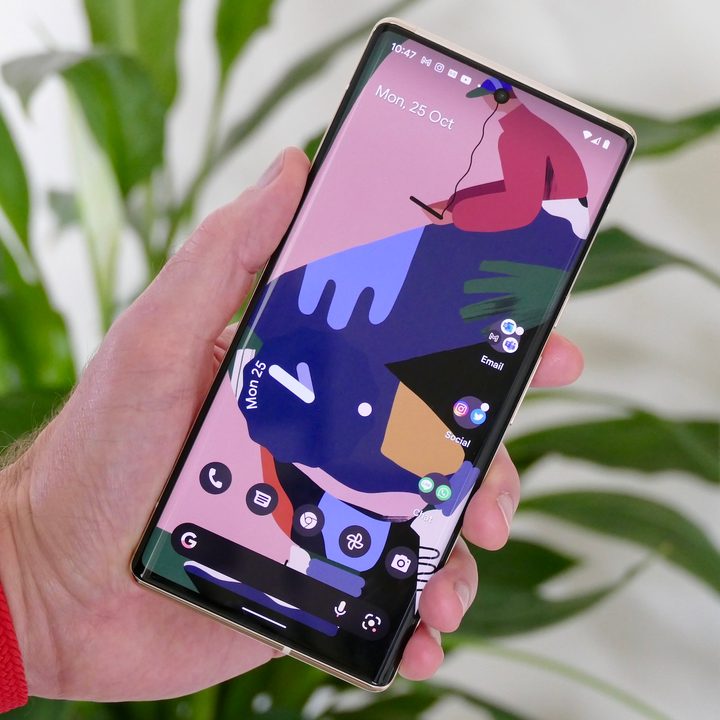
Despite over five years of existence, Pixel phones have never amounted to the kind of sales that made them competitive with other Android manufacturers — most notably OnePlus and Samsung. Despite Google’s initially stated goals of planning to build out into a sustainable business by 2021, Pixel sales in 2020 struggled to keep pace with OnePlus, which entered the market in part to capture market share from Google’s Nexus devices.
Part of the issue with the Pixel line is that Google has changed tack too often, never really being clear as to what the Pixel line is supposed to be. It launched the original Pixel phone with the promise of an iPhone competitor but with a headphone jack, then almost immediately pivoted from that with the Pixel 2 to just being a really good, really smart Android phone. The Pixel 3 kept a lot of the Pixel 2’s design heritage, all of which was immediately dropped by the Pixel 4 with a more squared-off design and a telephoto lens and a focus on Soli, which was then radically reimagined by the 5 as a pared-down, basic experience that served as a total rebuke of the Pixel 4. The Pixel 6 serves the same function of rebuke to the Pixel 5 as it heads off in an entirely new direction.
A lack of strategy
Could Google’s constant flip-flopping be an issue? Perhaps. Avi Greengart at Techspontential certainly seemed to think so. “Google has jumped from one product direction to another with the Pixel – the only constant has been superb computational photography — but mainstream consumers never noticed because they were never shopping for a Pixel in the first place,” Greengart said in an email statement to Digital Trends.
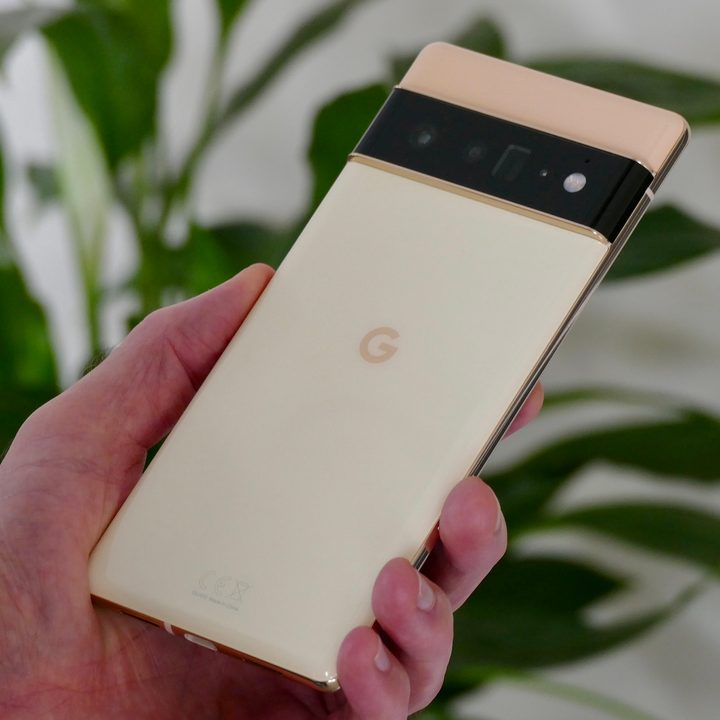
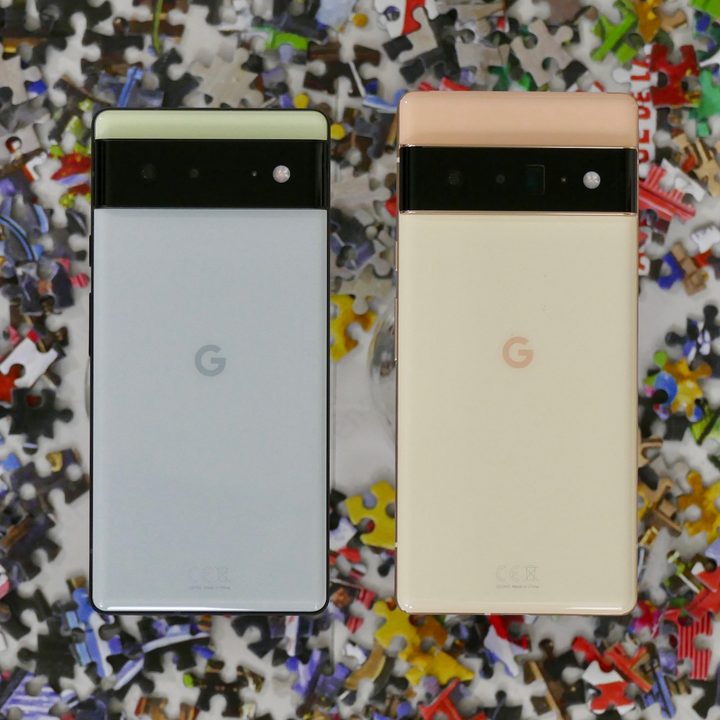
One way this manifests is a lack of resources directed towards the Pixel line. Whether it comes to marketing and distribution (supply issues aside), post-sales support, or something as basic as keeping the phone in stock past the five-month mark, the Pixel has floundered. Even the Pixel 6, the phone estimated to have the best Google support budget so far and marketed as being the most personal Pixel, will only ship in two colors (down from an initial three) starting from 2022.
Perhaps the Pixel doesn’t need a strategy to be profitable for Google?

To reiterate, the Pixel 6 is an incredible phone that somewhat hearkens back to Google’s original plan of making a phone to rival the iPhone. Google is bumping the screen size to match the average of most Android phones, shipping with low pricing, adding in the favored wide and ultrawide camera combination, building in its own Tensor chip for better processing and longer security updates, and much more.
As a standalone product in a vacuum, the Pixel 6 is fantastic. As a customer and not an enthusiast, there’s a now cultivated sense of waiting for the penny to drop. Will the Pixel 7 be a radically redesigned Pixel? Or should I wait for the Pixel 8 to jump in, confident that Google has finally found its footing just before the rug is pulled out from under my feet again with yet another change in direction?
Since Google is a cash-rich company, they can afford to keep the device alive and invest in it.
At this point, it is now possible to argue that it doesn’t even necessarily matter to Google whether the Pixel becomes a sustainable business — ever. It’s worth remembering that Google does have a thriving mobile business outside of Pixel, and that is Android and the Play Store. Whether the Pixel sales impress or not (and Google isn’t exactly planning for iPhone 12-level sales), Samsung’s Galaxy S and A-series will pick up its slack, if not them, then Xiaomi, and so on.
“From a cost-effectiveness point of view, improving Android software is much more interesting as – like with any other software – deployment is in a digital format and can reach millions of users easily. It is a matter of keeping the Android OS as compelling as possible. Conceptualizing, sourcing components and partners, assembling, shipping, marketing, selling, establishing an after-sales service, and doing this exercise once, twice a year to keep the portfolio fresh is way more costly and less likely to be successful given that the smartphone market is highly saturated in some regions and concentrated in different vendors, depending on the region,” Marta Pinto at IDC told Digital Trends over email. “Since Google is a cash-rich company, they can afford to keep the device alive and invest in it. They will always have a good use for Pixel Smartphones: It is a testbed for new Android features, it gives Google even more information about smartphone usage and keeps the mobile device arm of Google’s platform. In the enterprise segment, where Google already has other devices and services it’s offering, Pixel can be a good complementary device (adding to PixelBook, G-suite services or Cloud for example).”
A flagship still in waiting
With that lens, one then wonders what incentive there is for Google to keep at Pixel at all. It is worth noting that Google has been in the consumer hardware business for well over a decade now, from the Nexus program to the original Chromebook Pixels, to the Google Home and Nest brands. While the company has yet to build a hardware ecosystem that matches the likes of Apple, Samsung, or Huawei, it hasn’t been for the lack of trying. The Pixel 6 is the best example of what a purely focused Google can do. Will it be able to shift the narrative and reverse Pixel sales trends? If that fails, would Google not be justified in quitting? After all, success in the consumer market is not always in the hands of the creator.
It is worth noting that Google has been in the consumer hardware business for well over a decade now.
Whatever happens, Pinto thinks the R&D value of Google’s Pixels will be one factor Google considers. “All in all, Google will likely keep the offering in the market to showcase their capabilities — even more now with Tensor processor — and also keep the ecosystem complete in terms of hardware. Even if it is not a blockbuster, that is not relevant in the overall Google business. There is a bigger picture and Google is pursuing that.”
So perhaps it doesn’t matter that the Pixel doesn’t sell, or that Google wildly veers from one extreme to the next year over year. For people deeply invested in the Google ecosystem, Pixels are just one piece of the puzzle that they can swap at their leisure. After all, it is software that matters, not hardware.
For Google itself, Pixel is a vehicle for the company to keep its name in consumers’ mouths and show what it can really do if it put its mind to it. If the Pixel 6 or 7 proves itself to be a runaway success, then that could well change. If not, well, Google can afford to keep puttering about, putting out phones year after year for a cadre of its most dedicated fans until it finds one that clicks.


