1. Home
  2. Mobile
  3. Legacy Archives

Take that, Apple: Google unleashes its own content payment plan, One Pass

Add as a preferred source on Google
Google-one-pass
Image used with permission by copyright holder

Google announced today the launch of One Pass, a new payment system that allows online and mobile publishers to charge for their digital content.

Using One Pass, publishers can “set their own prices and terms,” says Google on its official company blog. This “open and flexible” policy stands in stark contrast to Apple’s subscription service, announced Tuesday, which some say may violate antitrust laws due to restrictions in the plan placed on publishers by Apple.

Recommended Videos

According to Google, One Pass enables publishers to easily offer a wide variety of content payment options to their readers, including regular subscriptions, metered access, “freemium” content, or even the sale of individual articles. In addition, readers who’ve made a purchase with One Pass will be able to access that content from any web-enabled device — think tablet, smartphone or PC — using a single set of login credentials.

Google’s release is obviously tailored to set One Pass apart from Apple’s service, which is (as always) far more restrictive than Google’s. According to Apple’s subscription plan, app publishers must pay Apple 30 percent of any revenue earned through subscriptions brought in through the iTunes App Store. To really sink the hook in, Apple also stipulates that publishers must offer customers subscriptions through the App Store if those subscriptions are offered elsewhere.

This 30 percent cut has already ruffled the feathers of music subscription service Rhapsody, which says it may take legal action against Apple for charging such a high percentage, essentially making it impossible for them to do business through iTunes.

One Pass payments will be handled by Google Checkout. And the service is now available to publishers in Canada, France, Germany, Italy, Spain, the UK and the US.

It’s too soon to say how drastically either the Google or Apple payment systems will affect digital publishers, and the journalism industry in particular. We’ll just have to wait and see who adopts the new systems, and whether customers are willing to pay.

Watch a video about One Pass:

Andrew Couts
Features Editor for Digital Trends, Andrew Couts covers a wide swath of consumer technology topics, with particular focus on…
Snapchat Planets Meaning: Order, Rankings, and How Friend Solar System Works
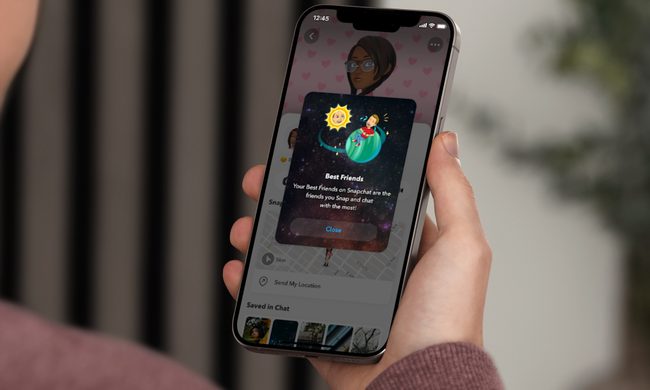
Snapchat Planets turns your best friends list into a solar system, and yes, your orbit says a lot
Snapchat Planets being shown on the Snapchat app on iPhone.

Snapchat+ includes several exclusive features, but few have generated as much curiosity as Snapchat Planets. Part of the app's Friend Solar System, it transforms your Best Friends list into a planetary ranking, assigning each of your top eight friends a planet based on how often you interact.

From Mercury, which represents your closest friend, to Neptune, which represents your eighth closest, the system offers a quick visual snapshot of your interactions. But what do the different planets actually mean, and how does Snapchat decide who gets which one?

Read more
How to use WhatsApp Web
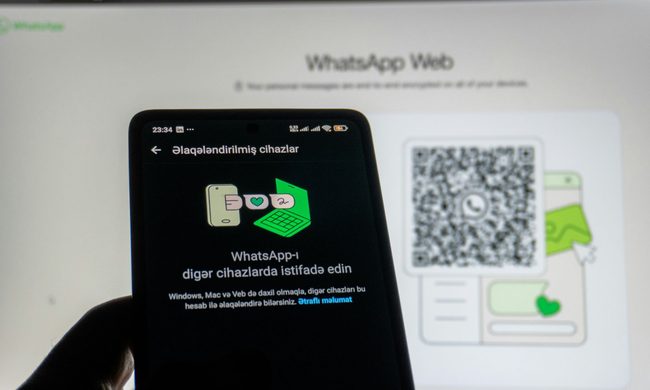
We'll show you how to use WhatsApp on your desktop or laptop
WhatsApp Web

As one of the most popular messaging services, you’ve already heard of WhatsApp. From its humble beginnings in 2009—two years before Apple introduced iMessage—to its acquisition by Facebook (now Meta) in 2014, WhatsApp has become the dominant messaging platform around the globe.

In recent years, it's grown even more potent with new features like video messages, self-destructing voice messages, the ability to edit sent messages, and more. We even finally got an WhatsApp iPad app in May 2025.

Read more
What is WhatsApp? How to use the app, tips, tricks, and more
From setting it up to mastering hidden features, here is your complete guide to WhatsApp.
WhatsApp app store listing open on iPhone

There's no shortage of messaging apps out there. The past decade has given us more options than we know what to do with, largely because smartphones demanded something better than plain old SMS.

Both the App Store and the Play Store are packed with apps that promise to revolutionize the way we communicate. Most of them didn't make it. The truth is, a messaging app is only as good as the number of people using it, and most apps never cross that threshold.

Read more