  1. Home
  2. Mobile
  3. Web
  4. Legacy Archives

Reports: Nokia dropping smartphone prices in Europe

Add as a preferred source on Google
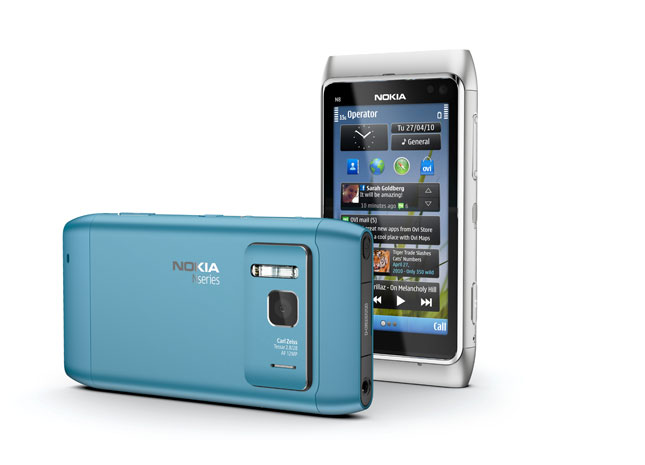
Nokia N8
Image used with permission by copyright holder

Reports in Reuters, Bloomberg, and other outlets indicate Finland’s Nokia is cutting European prices on selected smartphone models by as much as 15 percent in bolster flagging sales. The price cuts—which apparently apply to the company’s N8, C7, and E6 models—are no doubt aimed to help the struggling Nokia sustain unit shipments as it prepares to launch its first Windows Phone devices later this year—but industry watchers note that it could also start a pricing war.

Nokia did not immediately return a request for comment, but company representatives have been quoted in other outlets, describing the price changes as part of the company’s routine operation, with the only exception being that these cuts were model-specific rather than across an entire product line.

Recommended Videos

Nokia is still the world’s largest mobile handset manufacturer, but a lot of the company’s sales volume comes from entry level phones and devices targeting emerging markets. The company has largely missed the boat on consumer’s eager adoption of smartphones, with Apple and Android now dominating the consumer smartphone market. In February, newly-installed CEO Stephen Elop announced a bold all-or-nothing strategy shift that is seeing Nokia abandoning its long-standing Symbian operating system and the nascent MeeGo platform in favor of Microsoft’s still-struggling Windows Phone platform. Nokia’s first Windows Phone devices are due later this year; in the meantime, the company is still trying to peddle its existing Symbian-based product line.

By reducing pricing in its existing smartphone products, Nokia is lowering the risk mobile carriers take in offering the products, and making the phones more appealing to cost-conscious consumers. And the move may help—although Nokia is a non-player in the North American smartphone market, the company has retained significant market share in Europe.

Geoff Duncan
Former Contributor
Geoff Duncan writes, programs, edits, plays music, and delights in making software misbehave. He's probably the only member…
Snapchat Planets Meaning: Order, Rankings, and How Friend Solar System Works
Snapchat Planets turns your best friends list into a solar system, and yes, your orbit says a lot
Snapchat Planets being shown on the Snapchat app on iPhone.

Snapchat+ includes several exclusive features, but few have generated as much curiosity as Snapchat Planets. Part of the app's Friend Solar System, it transforms your Best Friends list into a planetary ranking, assigning each of your top eight friends a planet based on how often you interact.

From Mercury, which represents your closest friend, to Neptune, which represents your eighth closest, the system offers a quick visual snapshot of your interactions. But what do the different planets actually mean, and how does Snapchat decide who gets which one?

Read more
How to use WhatsApp Web
We'll show you how to use WhatsApp on your desktop or laptop
WhatsApp Web

As one of the most popular messaging services, you’ve already heard of WhatsApp. From its humble beginnings in 2009—two years before Apple introduced iMessage—to its acquisition by Facebook (now Meta) in 2014, WhatsApp has become the dominant messaging platform around the globe.

In recent years, it's grown even more potent with new features like video messages, self-destructing voice messages, the ability to edit sent messages, and more. We even finally got an WhatsApp iPad app in May 2025.

Read more
What is WhatsApp? How to use the app, tips, tricks, and more
From setting it up to mastering hidden features, here is your complete guide to WhatsApp.
WhatsApp app store listing open on iPhone

There's no shortage of messaging apps out there. The past decade has given us more options than we know what to do with, largely because smartphones demanded something better than plain old SMS.

Both the App Store and the Play Store are packed with apps that promise to revolutionize the way we communicate. Most of them didn't make it. The truth is, a messaging app is only as good as the number of people using it, and most apps never cross that threshold.

Read more