  1. Home
  2. Computing
  3. News

Why the pandemic PC boom could be over

Add as a preferred source on Google

PCs have enjoyed a surprising boom over the past couple years of the pandemic, but new reports are indicating that it might be coming to an end this year.

A dip in demand is now expected, according to a report by DigiTimes, with a normalization to pre-pandemic levels possible. The publication claims that PC manufacturers, however, are hoping to promote demand for PCswith lower prices. These sales could come despite consistently rising inflation and new supply chain issues.
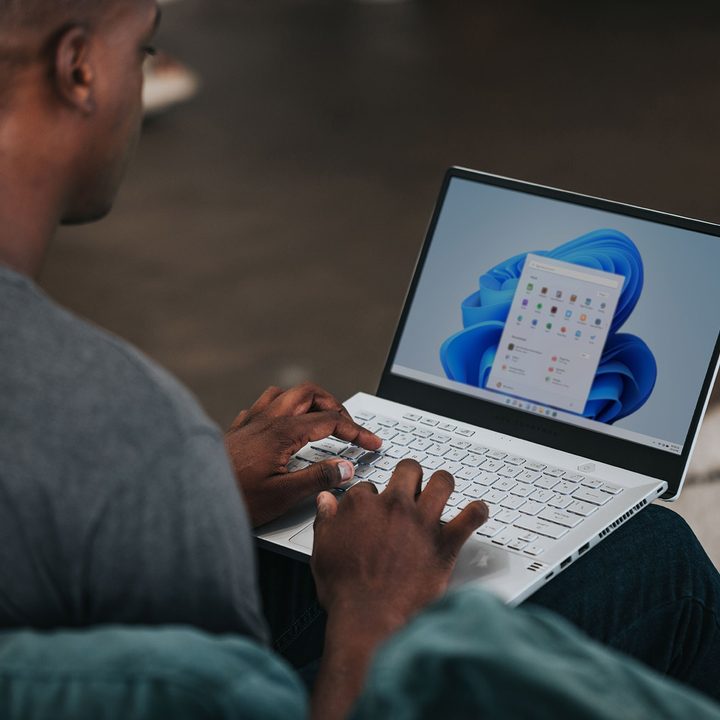
A man sits while using a laptop running the Windows 11 operating system.
Microsoft

The expected demand dip would follow two healthy years for PC sales in 2020 and 2021. Amid the pandemic, the PC industry was initially uncertain and fearful about what the lack of workers in offices would do to their bottom lines, however, countless remote workers purchased new setups for their at-home offices, spurring a boom.

Recommended Videos

But now, as more workers shift back to work full time or even to a more hybrid work schedule, the need for elaborate home offices is dwindling in 2022, and demand for laptops is decreasing.

On the other hand, components makers are still concerned about keeping up with demand amid Russia’s invasion of Ukraine. Recent reports indicate that prices of PC DRAM are slated to drop between 5% and 8% during the second quarter of 2022, as shipping components for manufacturing and retail won’t be a primary concern.

Researchers at TrendForce say that PC makers currently have enough DRAM stores to keep making computers for the time being, but there are many factors to take into consideration, such as how long the invasion might last and how long manufacturers can last on their stores before having to significantly replenish.

DigiTimes claims laptop sales will likely drop through the entirety of 2022, so device makers appear to understand that this is a slump year.

However, it’s not all bad news for the PC. The industry is also preparing for a rebound in 2023, according to the publication. Most components, such as notebook displays and DDR memories, have seen price declines to preserve their place in the market, not as result of low stores, according to Notebookcheck. Those components that have had slow stock, such as power management ICs (PMICs) and MOSFETs, are expected to be replenished by 2023.

Manufacturer Compal expects less demand for consumer and education notebooks and typical demand for gaming laptops, DigiTimes added.

Fionna Agomuoh
Fionna Agomuoh is a Computing Writer at Digital Trends. She covers a range of topics in the computing space, including…
AMD brings Zen 5 and 3D V-Cache to Ryzen Pro 9000 series workstation chips
AMD spent years telling gamers that more cache means faster performance. Now it's making the same argument to architects, video editors, and simulation engineers.
Ryzen Pro 9000 Series.

AMD just did something that should excite anyone running a professional workstation, and probably annoy anyone who believed 3D V-Cache was exclusively for gamers. 

The chip maker has announced six new Ryzen Pro 9000 Series desktop processors built on Zen 5 architecture. And, for the very first time, these processors bring 3D V-Cache technology to the commercial desktop market.

Read more
Fluffy robot seals are being used for mental health care at a UK hospital
A fluffy robotic seal could soon be your unlikely companion at mental health appointments.
robot seal paro

A baby seal robot for mental health care might sound like something out of a sci-fi movie, but Kent and Medway Mental Health NHS Trust is actually piloting one in its outpatient clinics, and the idea makes a lot of sense when you dig into it.

It’s a PARO robot (a personal robot designed for therapeutic purposes) which looks and behaves like a baby seal. It responds to touch, sound, light, and temperature with gentle movements and soft sounds. Think of it like a therapy animal, but without the unpredictability of a real animal. You can hold it, interact with it, and it reacts back.

Read more
Android apps can now track your habits and whereabouts to offer task suggestions
Contextual Suggestions is Android acting on what it already knows, and the fact that most users will never find the off switch is exactly why you should pay attention.
Google Pixel 10a in the hands of a person.

Google just flipped a switch on Android phones, and you probably didn’t notice. A feature called Contextual Suggestions is currently rolling out to Android devices, enabled by default. 

It does what the name implies: watching what you do, learning your habits, and using the information to provide you with contextual suggestions or actions that you might perform next (via compatible apps). 

Read more