Match Group, the maker of popular dating apps such as Tinder and Hinge, scored a victory in its tussle against Google over the Play Store’s taxation policy. The immediate impact for users is that they will continue to have the option of making in-app purchases from an external source and won’t be limited to the Play Store’s own billing system.
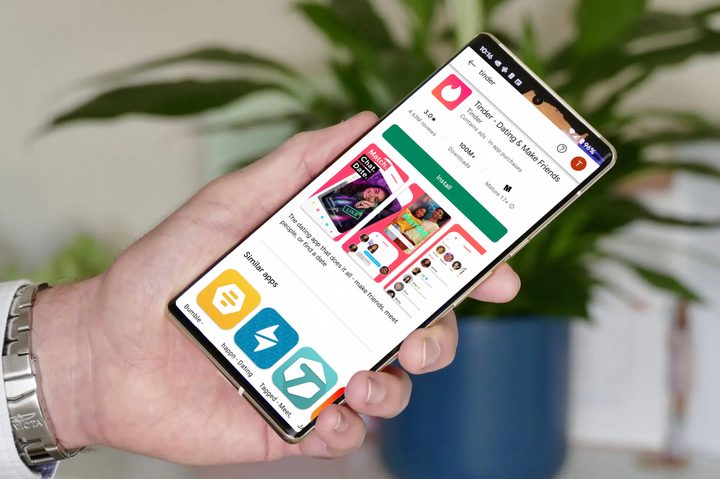
Google recently issued a directive that apps listed on its application repository will have to embrace the Play Store billing system. The aforementioned policy ensures that Google gets a 30% cut of all in-app purchases, which include subscriptions to the premium tiers of Match Group’s dating apps. Google had warned that apps that don’t agree to the policy by June won’t be able to push updates and risk being removed from the Play Store.
Match Group, for its own part, has been offering users two methods to pay the subscription fee in its dating apps. Interestingly, the payment option that routed away from the Play Store costs less, while opting for the Play Store’s in-house billing system results in a higher charge for the same subscription tier. The disparity in price was because Match Group used the extra charge to offset the 30% “tax” levied by Google.
In response to Google’s deadline, Match Group filed a lawsuit against Google, accusing the company of anticompetitive conduct that allowed Google to maintain its monopoly on app payments in the Android ecosystem. However, it now appears that Google has agreed to Match Group’s demands, and as a result, the online dating giant has withdrawn its complaint against Google on certain conditions.
First, Google will allow Match Group apps to offer an alternative method for users to pay for in-app purchases such as subscription tiers. Moreover, the company will no longer block updates or remove Match Group’s dating apps from the Play Store. The last condition is that Google won’t have a free hand at extracting user data from the dating apps offered by Match Group.
Despite the apparent agreement, Match Group’s legal case against Google and its alleged anti-competitive policies will remain before the court and will be heard in April next year. When Digital Trends reached out to Match Group seeking clarity on the situation, publicist Maggie Gillespie shared the following statement:
“Match Group has only dropped the temporary restraining order, not the primary lawsuit. This agreement that led to Match Group dropping the restraining order is temporary. Until the judge issues a ruling, Google agreed to not force mandatory use of Google Play Billing or remove Match Group apps that offer alternate billing systems from Google Play Store. The date for the trial is currently set for April 2023.”
A battle for the future of app ecosystems
However, this isn’t the first time that Google has made concessions. In March, Google and Spotify reached an agreement that allowed the streaming giant to offer two payment options side-by-side in its app — Spotify’s own payment windows and the Play Store billing system.
Google is not alone in this battle. Apple has also faced a similar backlash from developers, with Spotify leading the battle against Apple’s similar billing policy of charging a 30% tax from apps listed on the App Store. Following intense pressure from the developer community and intensifying scrutiny from regulators — especially in Europe — both companies announced the decision to lower the fee from 30% to 15% for developers meeting certain financial criteria.
Spotify and similar companies have been challenging the gatekeeper status of Google and Apple over their respective ecosystems for a while now. But it was the Epic Games drama that truly intensified the battle between developers and ecosystem overlords. Last year, Epic issued an update to Fortnite that added an alternative payment option for users to buy in-game items such as V-coins.
Following the change, Google and Apple swiftly removed Fortnite from their respective app stores. Epic was quick to take Apple to court in an ugly legal battle that produced some bombshell revelations. The concession made for Spotify, and now, Match Group’s victory against Google, are signs of change. Whether these moves will spur blanket relief for all Android app developers, however, remains to be seen.