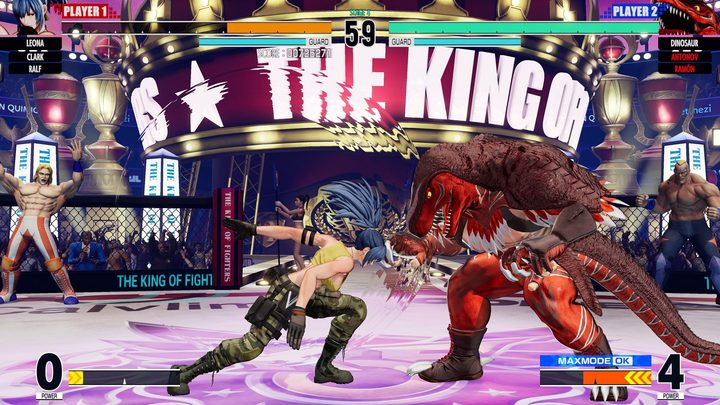
If a game developer did not tease a new game at Evo 2022, it most likely confirmed the addition of crossplay and rollback netcode to its fighting game. As announced during the fighting game tournament, recent fighting game hits like The King of Fighters XV and Guilty Gear Strive will expand their audience with crossplay support, while even games that came out years ago are getting improved rollback netcode for online play.
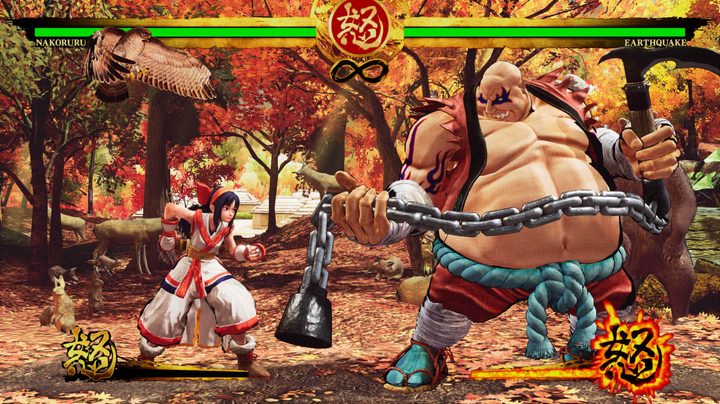
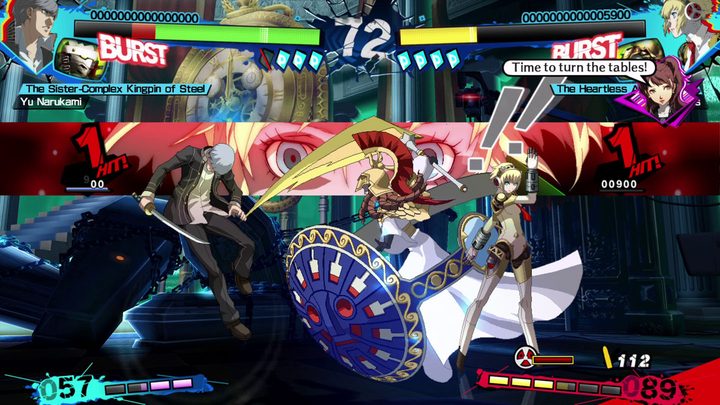
SNK’s Samurai Shodown and the current-gen versions of Dragon Ball FighterZ, will get rollback netcode in 2023, several years after their respective launches. Over the weekend, Persona 4 Arena Ultimax got rollback netcode as well, and upcoming fighting games in the pipeline like Street Fighter 6 have it too. It might sound like technical jargon if you’re not a fighting game aficionado, but it’s the kind of announcement that makes die-hard fans cheer.
Following Evo 2022, it’s clear that developers who aren’t adding rollback netcode and crossplay to their fighting games are behind the times and their games won’t have the same appeal as the countless others that are taking the proper steps to improve.
Crossplay and rollback netcode explained
For years, fighting game fans called for games to implement crossplay and swap out delay-based netcode for rollback netcode. But what exactly do all of those terms mean?
Crossplay is an easy-to-understand boon for any online title. Players want to play and compete with their friends no matter their preferred gaming platform. This sentiment is true for fighting games, and this approach ensures that the hardcore community won’t feel tied to one platform out of necessity. Implementing the necessary online infrastructure and account systems to support crossplay is a tall task for developers, but it’s a challenge that studios like SNK and Arc System works are clearly OK with undertaking to maintain their communities. Still, those cross-platform connections mean nothing if the netcode isn’t good.
The type of netcode a video game uses determines how it handles networking and connectivity online. In the fighting game genre, quick response times are very important, and desynchronization during online play can determine whether or not someone will win or lose. Historically, many developers used delay-based netcode for their online fighting games.
As its name suggests, delay-based netcode delays player inputs so they can happen at the same time. That means if a player with poor internet conditions desyncs, the game will still delay the actions of the player with no connection issues. In competitive fighting games, every frame matters, and the delay-based netcode approach causes several frames worth of unresponsiveness online. Delay-based netcode could potentially ignore critical frames that candetermine whether or not someone wins a match, so it’s no surprise that fighting game fans don’t like this netcode approach.
Rollback netcode, on the other hand, is a much more effective solution to the desynchronization problem. Instead of delaying a player’s action, rollback netcode predicts what the other player will do and either continues with that action if correct or teleports the opponent to the proper position when their connection comes through. While delay-based netcode punishes players with a good internet connection, rollback netcode doesn’t. Games with rollback netcode feel smoother to play and more accurately portray the response times of pros playing them. I recommend watching these videos from Core-A Gaming and Code Mystics for a more visual breakdown.
Rollback’s renaissance
After the COVID-19 pandemic began and fighting game tournaments went online, the strengths of games with rollback netcode and the weaknesses of those without became immediately noticeable. Since then, the positive impact of rollback netcode became undeniable, so developers couldn’t help but take notice and improve their games. Although physical tournaments like Evo 2022 are returning, the online competitive scene is still critical to the fighting game experience. As such, fighting game developers would be wise to keep these features in mind going forward.
Looking into the future, fighting games on the horizon emphasize these features. MultiVersus has strong staying power thanks to those features. Street Fighter 6 will have both rollback netcode and crossplay at release. As SNK implemented these features in its most recent fighting games, crossplay seems likely for the next Fatal Fury/Garou game that was announced this past weekend. All eyes are on the next Tekken to see if it will have rollback netcode and crossplay upon its release.
Whether it’s a new indie team making a name for themselves or a storied studio continuing a long-running series, fighting game developers need to accept that crossplay and rollback netcode are musts for a fighting game to stay relevant in 2022. Games like Dragon Ball FighterZ and Samurai Shodown might even see a bit of a renaissance after getting rollback netcode next year, so it’s a great way to keep old games alive too.
Completely reworking online infrastructure is no small task for developers, but fans clamored for years that crossplay and rollback netcode are vital in great fighting games. Now, the bevy of crossplay and rollback netcode announcements at Evo 2022 proved that developers all around the world have taken notice. There’s no going back for the fighting game genre, and that should be nothing but a good thing for players, competitive and casual alike.