  1. Home
  2. Emerging Tech
  3. Mobile
  4. Music
  5. Legacy Archives

Microsoft officially kills the Zune HD

Add as a preferred source on Google
Image used with permission by copyright holder

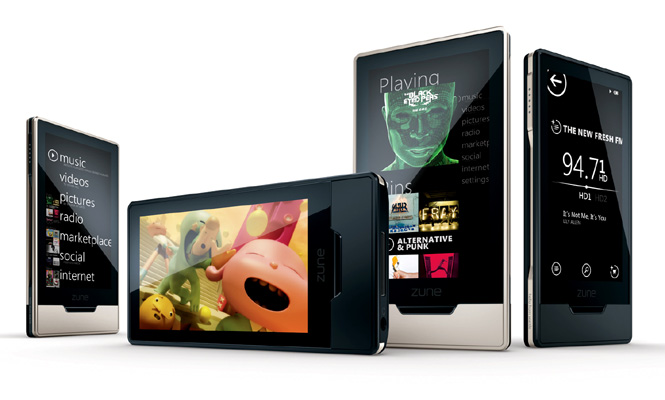
The Zune brand is now dead as a hardware line, says Microsoft. The software giant has confirmed that the Zune HD is no longer being manufactured. This is not a new revelation, as Microsoft hasn’t introduced new Zune hardware or featured it in some time. Instead, it has migrated the Zune software to Windows Phone, where it lives happily and remains one of the best music players on the market.

“We recently announced that, going forward, Windows Phone will be the focus of our mobile music and video strategy, and that we will no longer be producing Zune players,” said Microsoft on its Zune.net site. “So what does this mean for our current Zune users? Absolutely nothing. Your device will continue to work with Zune services just as it does today. And we will continue to honor the warranties of all devices for both current owners and those who buy our very last devices. Customer service has been, and will remain a top priority for us.”

Recommended Videos

Now that Microsoft has that big weight off its chest, it should get down to work. To make the Zune platform competitive, it needs to do a few things like combine the Zune PC software with Windows Media Player, unchain WP7 music and podcasts from the desktop (Android doesn’t need a desktop client to download a new podcast or modify a playlist), and spruce up the Zune pass service. The good news: Microsoft has already lowered the Zune pass price. That’s a start.

(P.S. we hate to say it, but our own Nick Mokey was right about the Zune two years ago. Read his reasons why the Zune HD was dead on arrival.)

Jeffrey Van Camp
As DT's Deputy Editor, Jeff helps oversee editorial operations at Digital Trends. Previously, he ran the site's…
As AI voices get harder to spot, ElevenLabs adopts Google’s SynthID to help you sniff the fakes
Artificial Intelligence

There was a time when spotting AI-generated content was almost a game. Images came with extra fingers, chatbots wrote like overly enthusiastic interns, and synthetic voices had an unmistakable robotic edge. Those days are disappearing fast.

Today, AI voices can laugh, whisper, pause naturally, and even sound emotional enough to fool many listeners. That’s exciting for creators, but it’s also creating a growing trust problem. If you can’t tell whether a clip is real or AI-generated, how do you know what to believe?

Read more
OpenAI just made GPT-5.5 Instant more fun to talk to, and users may actually notice
The company says its most-used ChatGPT model is getting better at advice, decision-making, and everyday conversations.
Man using ChatGPT on a laptop

For years, AI companies have competed by talking about benchmarks, reasoning scores, and coding performance. OpenAI's latest ChatGPT update takes a different approach. Instead of focusing on raw intelligence, the company is making its most popular AI model more enjoyable to talk to.

OpenAI says GPT-5.5 Instant now better understands what users want

Read more
Claude can now join your Slack channels and work alongside your team
Laptop running Claude Fable

For years, AI assistants have been siloed. You open ChatGPT, Claude, Gemini, or Copilot, type a prompt, get an answer, and move on. Anthropic's new Claude Tag feature takes a different approach. Instead of making employees jump into a separate AI chat every time they need help, it brings Claude directly to where many teams already spend their day: Slack.

Add Claude to a channel, grant it access to needed tools, and tag @Claude for help — whether analyzing data, writing reports, reviewing code, or investigating incidents. But Claude Tag isn't just another chatbot integration. Its key differentiator is that Anthropic positions it as a digital coworker for your team, enabling seamless collaboration where multiple users can jointly interact with the same AI within their work environment.

Read more