  1. Home
  2. Mobile
  3. Legacy Archives

T-Mobile debuts myTouch, myTouch Q budget smartphones

Add as a preferred source on Google
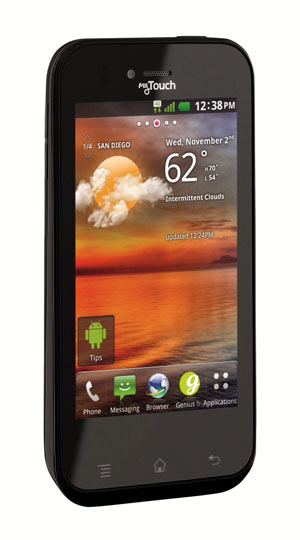
Image used with permission by copyright holder

T-Mobile—a.k.a the only major U.S. carrier without an iPhone—has taken the wraps off its entry-level myTouch and myTouch Q Android phones, looking to appeal to customers moving to their first smartphones. The myTouch and myTouch Q run Android 2.3 and are designed to be easy to set up and get going as soon as customers open the box. The myTouch sports a 3.8-inch display and front-facing camera for video chat; the myTouch Q features a 3.5-inch display and slide-out QWERTY keypad for messaging.

“When moving to their first smartphone, customers want a simple and uncomplicated experience without compromising on quality,” said T-Mobile USA senior VP for marketing Andrew Sherrard, in a statement. “With the introduction of these new myTouch smartphones paired with our worry-free data plans and fast 4G network, we’re making it easier than ever to step up to 4G experiences.”

Recommended Videos

Both phones feature a 1 GHz Qualcomm processor and a five megapixel camera that can also handle shooting 720p high-definition video, and can tap into T-Mobile’s high-speed HSPA+ data network. The phones also feature a microSD slot for removable storage, Wi-Fi, GPS, stereo Bluetooth, and speakerphone capability: they both also feature a “Genius” button that enables users to issue one-shot voice comments to place a call, start a text message, or execute a Web search.

T-Mobile says the myTouch and myTouch Q will be available “in time for the holiday season”, with the myTouch coming in black and white variants while the myTouch Q will some in grey and violet. T-Mobile hasn’t revealed any pricing information on the devices yet, but it’s safe to say they’ll be aiming at customers who, so far, have been put off by the cost of smartphones.
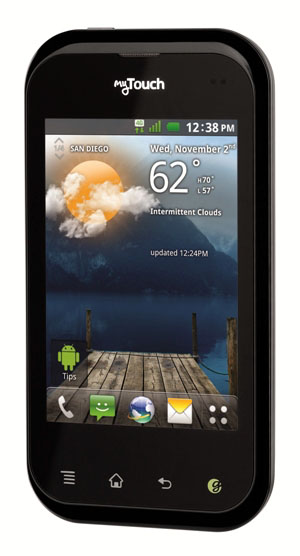
T-Mobile myTouch Q
Image used with permission by copyright holder
Geoff Duncan
Former Contributor
Geoff Duncan writes, programs, edits, plays music, and delights in making software misbehave. He's probably the only member…
Snapchat Planets: What’s the order, and what do they mean?
Snapchat Planets turns your best friends list into a solar system, and yes, your orbit says a lot
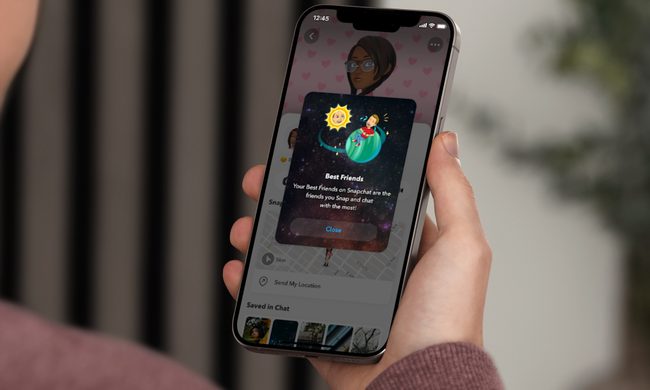
Snapchat Planets being shown on the Snapchat app on iPhone.

Snapchat is already packed with little symbols that can be weirdly hard to decode. You have streaks, emojis, badges, scores, Best Friends, and if you use Snapchat Plus, a tiny solar system that shows where you sit in someone’s closest-friends list.

The feature is called Friend Solar System, though most people just call it Snapchat Planets. It takes your position in a friend’s Snapchat orbit and turns it into a planet. From Mercury to Neptune, these celestial bodies signify how close a person is to you.

Read more
How to use WhatsApp Web
We'll show you how to use WhatsApp on your desktop or laptop
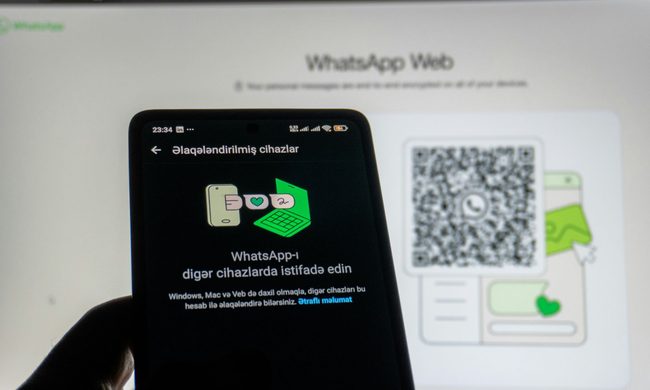
WhatsApp Web

As one of the most popular messaging services, you’ve already heard of WhatsApp. From its humble beginnings in 2009—two years before Apple introduced iMessage—to its acquisition by Facebook (now Meta) in 2014, WhatsApp has become the dominant messaging platform around the globe.

In recent years, it's grown even more potent with new features like video messages, self-destructing voice messages, the ability to edit sent messages, and more. We even finally got an WhatsApp iPad app in May 2025.

Read more
What is WhatsApp? How to use the app, tips, tricks, and more
From setting it up to mastering hidden features, here is your complete guide to WhatsApp.
WhatsApp app store listing open on iPhone

There's no shortage of messaging apps out there. The past decade has given us more options than we know what to do with, largely because smartphones demanded something better than plain old SMS.

Both the App Store and the Play Store are packed with apps that promise to revolutionize the way we communicate. Most of them didn't make it. The truth is, a messaging app is only as good as the number of people using it, and most apps never cross that threshold.

Read more