  1. Home
  2. Social Media
  3. Legacy Archives

Diaspora co-founder Ilya Zhitomirskiy dies at 22

Add as a preferred source on Google
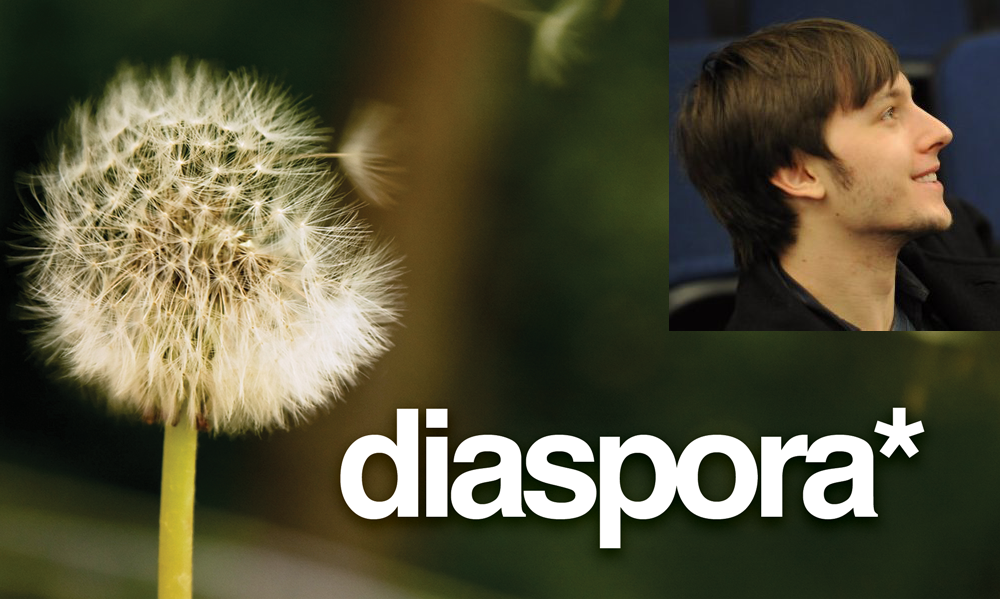
diaspora-zhitomirskiy
Image used with permission by copyright holder

Ilya Zhitomirskiy, one of four co-founders of the Diaspora social network, has died at the far-too-young age of 22, reports TechCrunch. The details of Zhitomirskiy’s death have not yet been made public.

UPDATE: According to CNN, the San Francisco Police Department believes Zhitomirskiy committed suicide, though that is awaiting confirmation from the medical examiner’s office.

Recommended Videos

“In this case it appears to be a suicide,” said SFPD officer Alva Esparza. “However, the medical examiner’s office will make the final decision” based on their tests.

Diaspora, which is currently in alpha testing mode and unavailable to those without an invite, is the brainchild of four New York University students: Zhitomirskiy, Maxwell Salzberg, Daniel Grippi, and Raphael Sofaer. A kind of anti-Facebook, Diaspora allows users to create profiles with or without their real name. (Facebook requires the use of real names, as does Google+, though Google has vowed to change this stipulation.)

In addition, Diaspora is decentralized, which means that you connect to one set of servers that operate independently from the other Diaspora servers, rather than connecting to a central hub of servers, as is the case with other social networks. And all user profiles are automatically set to private, and can be made more public if a user so chooses.

As with Circles in Google+ and Facebook lists, Diaspora lets users create groups of friends, called “aspects,” and users can share some content with one aspect of friends, while not sharing with other aspects. Diaspora users also have full ownership of the content they post to Diaspora, including photos and other personal data, which can be easily downloaded in an .xml file.

While Diaspora remains in alpha invite-only mode, the company has allowed more users to join following the death of Zhitomirskiy. The timing of this appears to be entirely coincidental. Those who attempt to sign up now will still have to wait to receive an invite.

The untimely death of Zhitomirskiy is staggeringly sad. Our hearts, along with those in the rest of the tech community, go out to his friends and family.

This article has been edited for clarity

Andrew Couts
Features Editor for Digital Trends, Andrew Couts covers a wide swath of consumer technology topics, with particular focus on…
Topics
YouTube is coming for celebrity deepfakes with new AI likeness detection tech
Celebrity deepfakes are in YouTube’s crosshairs with new AI detection tools
Phone in hand showing YouTube logo

YouTube is cracking down on celebrity deepfakes, and this time around, it is not just talking about the problem in vague platform-safety terms. In a new blog post, YouTube announced that it is expanding its likeness detection technology to the entertainment industry.

So now, the tools will be accessible to talent agencies and management companies for the celebrities they represent. This tool works in a way that is similar to Content ID, but rather than matching copyrighted media, it looks for AI-generated content using a person's likeness and gives eligible participants the ability to find that content and request removal.

Read more
Meta wants you to pay for WhatsApp now, and it’s already testing the waters
WhatsApp

WhatsApp has been free for over a decade, but Meta is starting to change that. The company is testing a paid subscription tier called WhatsApp Plus, and if you haven't heard about it yet, you probably will soon. The rollout was first spotted by WABetaInfo, and Meta's own Help Center page has since confirmed some of the details. 

So, what do you actually get?

Read more
Tinder wants to check your humanity by gazing into an orb. Yes, you read that right
Staring into an orb to prove you are human is no longer science fiction.
tinder-world-id-human-verification

Online dating is already a trust minefield, and now Tinder wants to add an eyeball scan to the mix. The popular dating app has announced a global partnership with World, the biometric identity company founded by OpenAI's Sam Altman. To prove you are a real human on Tinder, you will soon have the option to get your eyes scanned by a physical orb device.

What is World ID and how does Tinder's human verification work?

Read more