1. Home
  2. Mobile
  3. Legacy Archives

RIM downgraded as $200 PlayBook vanishes

Add as a preferred source on Google
BlackBerry PlayBook
Image used with permission by copyright holder

Last week, Canada’s Research in Motion cut the price on its low-end PlayBook tablet to just $200 for a limited time in an effort to woo Thanksgiving holiday shoppers to the device just as competitors like the Barnes & Noble Nook tablet and Kindle Fire went on sale. However, just as quickly as the $200 PlayBook appeared, it seems to be vanishing: retailers appear to be in the process of removing the $200 PlayBook devices from their online catalogs, and some Best Buy customers have reported their orders for the $200 tablets have been cancelled.

Complaints in Best Buy customer forums were first reported by Electronista. Quick checks of other retailers that had previously been offering the $200 tablets (Staples, Office Depot, Walmart, and RadioShack) finds the only $200 tablets listed as available are refurbished models.

Recommended Videos

The move could indicate that RIM’s idea of “a limited time only” was indeed just a period of a few days surrounding the Thanksgiving holiday, or that the $200 promotional price proved popular with consumers, even as the Kindle Fire hit the streets. If Sterne Agee analyst Shaw Wu has lowered his rating on RIM shares from “buy” to “neutral” and suspended his target price for the company’s stock. He notes the company is facing serious competition from the likes of Samsung, Apple, Amazon, and HTC, and that significant service outages in October have damaged RIM with its bread-and-butter enterprise and government customers.

Wu took his critique a step further, saying he should have downgraded RIM’s stock back in October when it was trading for $24 a share. RIM’s stock price closed last week at $16. However, Wu did note that RIM has “intrinsic value,” including a large patent portfolio and 70 million subscribers, and declined to downgrade the stock to “underperform.”

Geoff Duncan
Former Contributor
Geoff Duncan writes, programs, edits, plays music, and delights in making software misbehave. He's probably the only member…
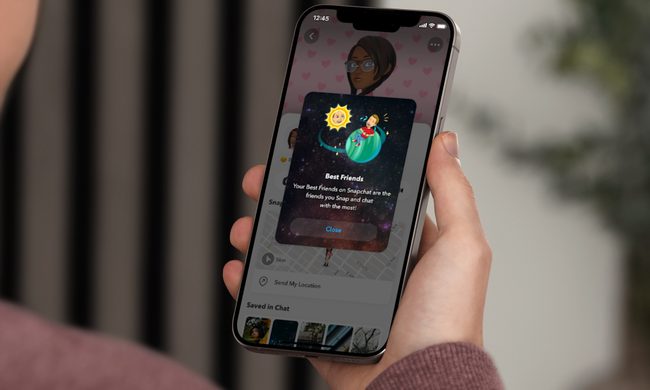
Snapchat Planets Meaning: Order, Rankings, and How Friend Solar System Works
Snapchat Planets turns your best friends list into a solar system, and yes, your orbit says a lot
Snapchat Planets being shown on the Snapchat app on iPhone.

Snapchat+ includes several exclusive features, but few have generated as much curiosity as Snapchat Planets. Part of the app's Friend Solar System, it transforms your Best Friends list into a planetary ranking, assigning each of your top eight friends a planet based on how often you interact.

From Mercury, which represents your closest friend, to Neptune, which represents your eighth closest, the system offers a quick visual snapshot of your interactions. But what do the different planets actually mean, and how does Snapchat decide who gets which one?

Read more
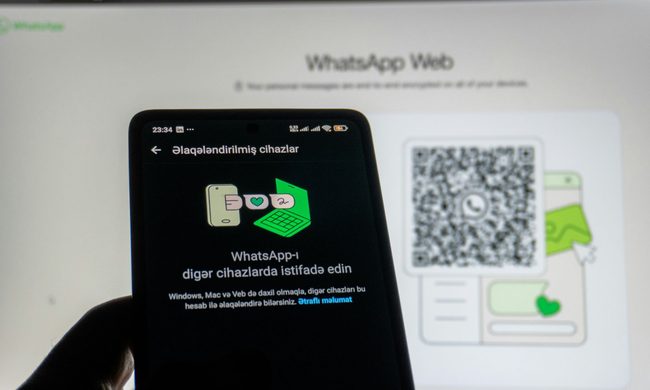
How to use WhatsApp Web
We'll show you how to use WhatsApp on your desktop or laptop
WhatsApp Web

As one of the most popular messaging services, you’ve already heard of WhatsApp. From its humble beginnings in 2009—two years before Apple introduced iMessage—to its acquisition by Facebook (now Meta) in 2014, WhatsApp has become the dominant messaging platform around the globe.

In recent years, it's grown even more potent with new features like video messages, self-destructing voice messages, the ability to edit sent messages, and more. We even finally got an WhatsApp iPad app in May 2025.

Read more
What is WhatsApp? How to use the app, tips, tricks, and more
From setting it up to mastering hidden features, here is your complete guide to WhatsApp.
WhatsApp app store listing open on iPhone

There's no shortage of messaging apps out there. The past decade has given us more options than we know what to do with, largely because smartphones demanded something better than plain old SMS.

Both the App Store and the Play Store are packed with apps that promise to revolutionize the way we communicate. Most of them didn't make it. The truth is, a messaging app is only as good as the number of people using it, and most apps never cross that threshold.

Read more