1. Home
  2. Mobile
  3. Legacy Archives

Samsung Galaxy Nexus pre-orders start tomorrow, Nov. 29: report [Update: Nope]

Add as a preferred source on Google
Samsung-Galaxy-Nexus
Image used with permission by copyright holder

Update: Well, November 29 is here, and the Galaxy Nexus LTE is nowhere to be seen. The day is far from over, of course, but it’s now highly unlikely that Verizon will announce the device today. Sorry folks. We’ll keep you updated if we hear anything more.

Original text:

Recommended Videos

Google’s newest flagship smartphone, the Samsung Galaxy Nexus, will be available for pre-order from Verizon Wireless starting tomorrow, Tuesday, November 29, reports Richi Jennings at Computerworld. The device will reportedly be released on December 8.

The pre-order and shipment dates come straight from a Verizon customer service representative, who told a disgruntled customer upset about the way Verizon has “handled the launch of the Galaxy Nexus” that “preorders are set to start Tuesday [November 29]. And the phone will be released December 8th.”

Short of a press release, you don’t a more solid confirmation than that.

The Galaxy Nexus, which will reportedly cost $199 with a new contract, is the first handset to ship with Google’s new Android 4.0 Ice Cream Sandwich (ICS) operating system. In addition to ICS, the Galaxy Nexus features a 4.65-inch Super AMOLED screen with 1280×720 resolution that nearly equals the Retina display of the iPhone 4/4S in terms of pixel density (316ppi vs the iPhone’s 326ppi). Powering the device is a 1.2GHz dual-core TI OMAP4 processor with 1GB of RAM.

Verizon’s version of the Galaxy Nexus can connect to a LTE signal, giving it access to the fastest network available in the US. Other models support a HSPA+ connection, which is still faster than standard 3G, but nothing close to Verizon’s 4G LTE speeds.

Other features include a 5-megapixel rear camera (the biggest downside to this otherwise critically-acclaimed device) and a 1.3-MP front-facing camera, facial recognition screen unlock (which has its downsides, too), dual-band Wi-Fi and NFC mobile wallet capabilities.

Andrew Couts
Features Editor for Digital Trends, Andrew Couts covers a wide swath of consumer technology topics, with particular focus on…
Snapchat Planets: What’s the order, and what do they mean?
Snapchat Planets turns your best friends list into a solar system, and yes, your orbit says a lot
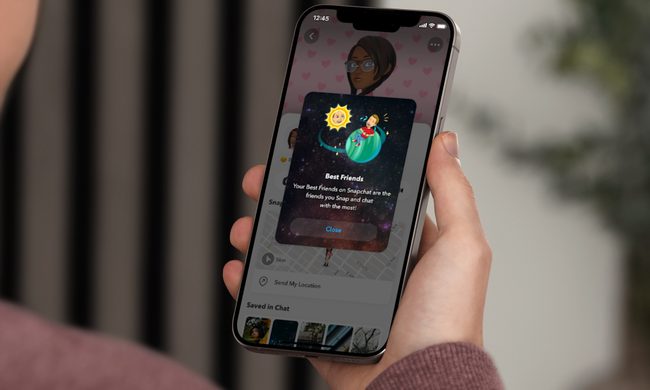
Snapchat Planets being shown on the Snapchat app on iPhone.

Snapchat is already packed with little symbols that can be weirdly hard to decode. You have streaks, emojis, badges, scores, Best Friends, and if you use Snapchat Plus, a tiny solar system that shows where you sit in someone’s closest-friends list.

The feature is called Friend Solar System, though most people just call it Snapchat Planets. It takes your position in a friend’s Snapchat orbit and turns it into a planet. From Mercury to Neptune, these celestial bodies signify how close a person is to you.

Read more
How to use WhatsApp Web
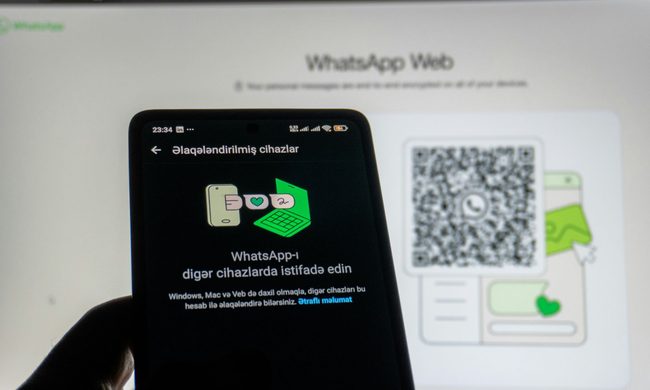
We'll show you how to use WhatsApp on your desktop or laptop
WhatsApp Web

As one of the most popular messaging services, you’ve already heard of WhatsApp. From its humble beginnings in 2009—two years before Apple introduced iMessage—to its acquisition by Facebook (now Meta) in 2014, WhatsApp has become the dominant messaging platform around the globe.

In recent years, it's grown even more potent with new features like video messages, self-destructing voice messages, the ability to edit sent messages, and more. We even finally got an WhatsApp iPad app in May 2025.

Read more
What is WhatsApp? How to use the app, tips, tricks, and more
From setting it up to mastering hidden features, here is your complete guide to WhatsApp.
WhatsApp app store listing open on iPhone

There's no shortage of messaging apps out there. The past decade has given us more options than we know what to do with, largely because smartphones demanded something better than plain old SMS.

Both the App Store and the Play Store are packed with apps that promise to revolutionize the way we communicate. Most of them didn't make it. The truth is, a messaging app is only as good as the number of people using it, and most apps never cross that threshold.

Read more