
The comparison between Destiny 2: Lightfall and Avengers: Infinity War is immediate from the opening moments of Bungie’s latest expansion. There is no more exposition to get through; the Witness, a mythical villain that represents the root of the Darkness that Guardians have fought against for close to a decade, is here, and the Traveler who has given our heroes the Light and their god-like abilities is under direct threat. The stakes couldn’t be higher, but Lightfall doesn’t live up to that moment.
I’m not drawing connections here that shouldn’t be made — the bombastic opening moments of Lightfall call back Infinity War‘s unrelenting momentum in its first act. The Traveler is under siege in Lightfall and Guardians are dismantled by a flick of the Witness’ wrist, echoing the immediate slaughter brought by the hands of Thanos moments before he arrived on Earth. That feeling is the same; our antagonist is here, and there’s nowhere else to run. In the final moments of the campaign, a member of my fireteam even exclaimed, “hey, that’s a line from Infinity War.”
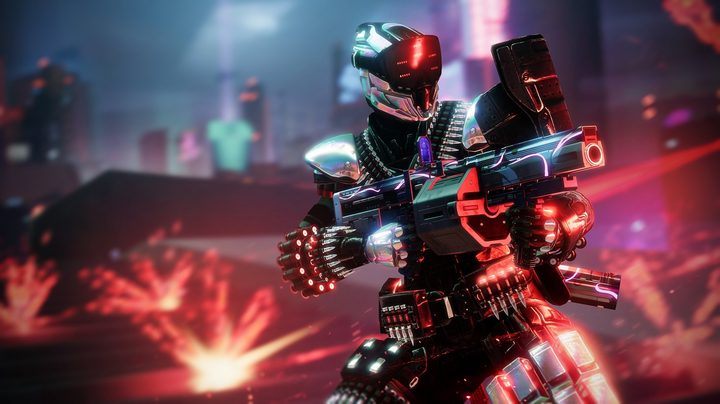
It’s clear that Lightfall is a two-part conclusion to Destiny 2‘s Light and Darkness saga, one that won’t be fully completed until The Final Shape arrives in 2024. But while the stakes are high for what should have been a thrilling conclusion, there are no consequences. Marvel’s storied cinematic universe is in rocky water right now, but the Infinity Saga came with hard-fought momentum and devastating consequences. Lightfall fulfills the first half and falls woefully short on the second.
High stakes, no consequences
It’s hard to avoid spoilers here, so consider this your warning, but that’s the main problem with Lightfall. Very little actually changes by the end of the story. You’re sent around a new location, Neomuna, and it feels like there’s momentum. But the final moments of Lightfall haven’t changed much about how the Destiny universe works compared to the end of The Witch Queen era.
Let’s get in the weeds of the narrative for a moment (get ready for a lot of proper nouns). You’re sent to Neomuna because Calus, an old face from Destiny 2, has set up his Shadow Legion there. Calus is a new disciple of the Witness, following in the footsteps of Rhulk that players saw in The Witch Queen. Why is Calus on Neomuna? The Veil.
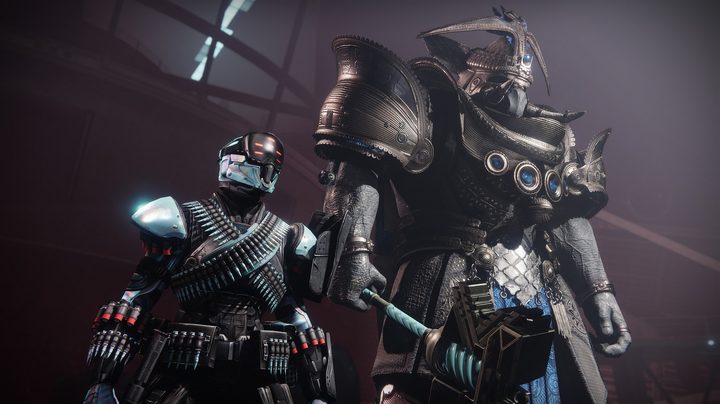
The Veil is something, but I couldn’t tell you what exactly. Apparently, it’s needed for the Witness to gain access to the Traveler and harness the Light, but very little is explained about what the Veil is, how it works, and more importantly, why this is the first time we’re hearing about it. Despite that, everyone you interact with during the story knows exactly what the Veil is, so much so that none of them feel the need to explain this fundamental driving force behind the narrative to you.
This is even more problematic considering the end of Season of the Seraph, the last season in The Witch Queen era. The story caps off with the Traveler leaving before being chased back by The Black Fleet, cornered with nowhere else to run. There was a sense of loss; the Traveler was abandoning us. But Lightfall doesn’t follow up that loss with the true consequences of what the Traveler leaving would mean — instead, it runs you around a big circle to end up almost exactly where the last year of Destiny left off.
That’s where Lightfall fails in its Infinity War moment. There are no consequences. In Infinity War, there’s a devastating ending where half of the much-loved MCU is snapped away, and although many of those familiar faces come back in Endgame, they’re not the same. Bungie set up stakes where it wanted to fundamentally change the Destiny universe, but it didn’t change anything. Characters act as if the world of Destiny has shifted, but I was never along for the ride with them.
It’s hard to expect more, though. After all, Destiny 2 is a live service where a consistent and replayable gameplay experience is always more important than a narrative arc. Infinity War could snap away its characters, but is that sort of loss possible in a live service like Destiny 2 where a large chunk of players don’t even interact with the story? I believe there are ways the narrative could bring that sense of weight that Infinity War brought, but the lack of narrative flexibility in a game like Destiny 2 certainly works against the story of Lightfall.
Struggling with Strand
Pacing throughout Lightfall has some serious problems, too. There are wonderfully crafted action sequences, solid character moments with your main companion Nimbus, and some of the best strikes and Lost Sectors that Destiny has ever seen. But the campaign suffers from uneven pacing during encounters that leads to a sense of emptiness upon completion.
Mostly, this comes from the new Strand subclass. Strand is unique because Guardians are the first to ever harness its power, a fact that Bungie leaned on heavily in the marketing for Lightfall. The story went that we would discover Strand, the threads between reality, on Neomuna. That’s true, but that’s because a Strand node is just sitting openly in a city street during the second mission of the campaign.
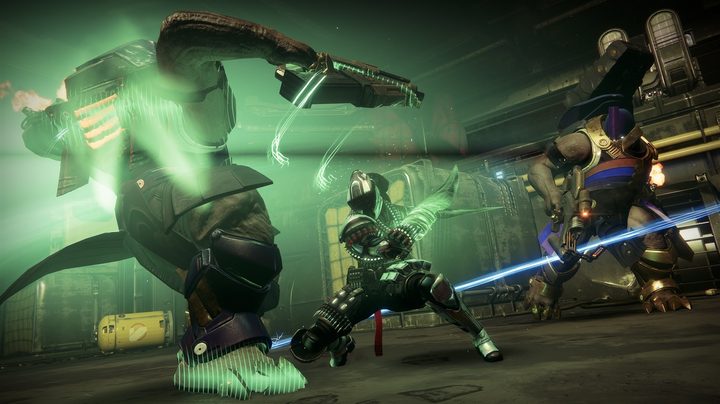
Strand is just there in Neomuna, and apparently the Cloud Striders, the defenders of Neomuna that have been fighting the Darkness without the aid of the Traveler, haven’t stumbled upon it. This is despite the fact that the Cloud Striders have figured out how to upload the entire population of Neptune (where Neomuna is located) into the cloud. I guess they just missed the bright green nodes dotted around the future tech landscape of their city.
Discovering Strand leads to some great moments during the story, including a training montage ripped straight from an action movie. Still, it never feels like our Guardians need Strand. There’s an overarching villain in Calus and the Witness that we are already equipped to handle, and the campaign bounces back and forth between our climb to master Strand and the villains threatening the Light without ever connecting the two. You’re torn between two plights, neither of which feel like they have motivation and neither of which end in satisfaction.
There are major improvements here
There are problems with Lightfall, and it’s hard to recommend the campaign right now. However, I don’t want to leave this story without saying that Destiny 2 as a game has seen a massive improvement with the expansion. The new build crafting system makes speccing out your Guardian deeper, more rewarding, and accessible. The Guardian Ranks finally provide a smooth onboarding experience for new players (something the community has been asking for over the last few years). I can confidently say that Destiny 2 as a game has never been in a better spot.
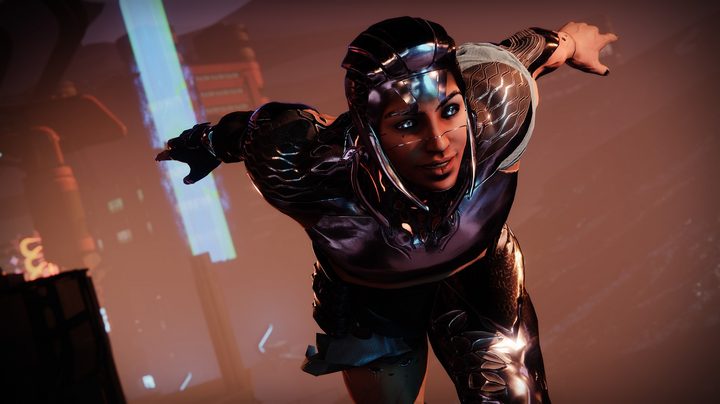
Season of Defiance, which launched alongside Lightfall, is fantastic as well. It’s a much more compelling tale than the one told in Lightfall, and comes with what might be the best seasonal activity Bungie has ever made. Various quality-of-life improvements have made their way into the game, too, finally fixing some fundamental problems with chasing loot you want, managing your inventory, and juggling an endless barrage of currencies. From a gameplay perspective, Lightfall is a huge win.
It’s the narrative that suffers. I’m hopeful that the upcoming Root of Nightmares raid pays off the story in a meaningful way, but it’s hard to imagine a world where delaying that conclusion makes the third act of Destiny 2‘s first saga better. My only hope is that The Final Shape, when it launches, retroactively makes Lightfall a better expansion.
Destiny 2: Lightfall is available now as an add-on for the base game.


