
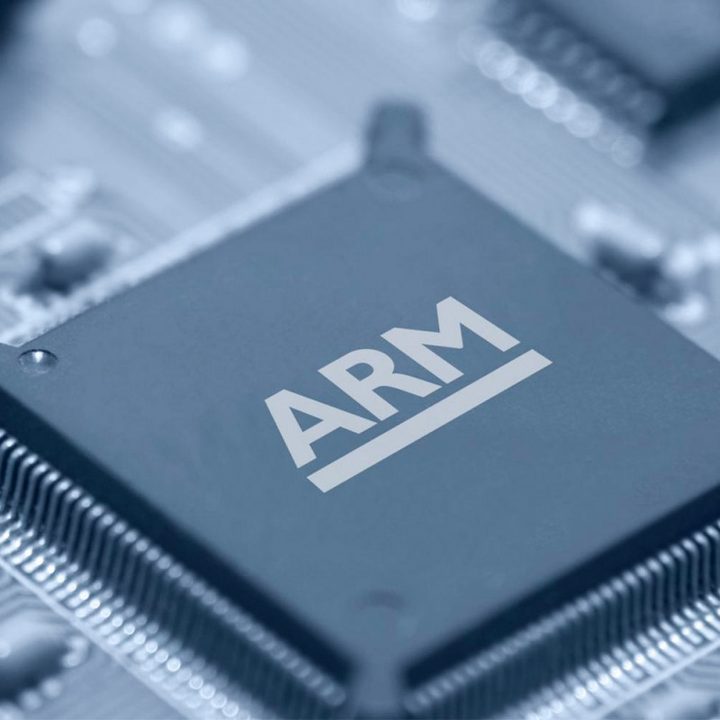
In an unexpected twist, Nvidia may soon make more than just some of the best graphics cards. Rumor has it that it’s working on ARM-based processors for client PCs. It’s not alone in this historic venture, either, because AMD is also said to be readying ARM CPUs.
According to a report from Reuters, both AMD and Nvidia are getting ready to launch ARM-based systems on a chip (SoCs) as early as 2025. The target market will be client PCs that run Windows, which has had a slow and troubled embrace of ARM architecture historically. After how successful such chips have been in Apple’s own M1 and M2 silicon, though, it seems obvious that the transition to ARM will need to speed up in order for ARM-powered Windows laptops to truly compete.
In 2016, Microsoft teamed up with Qualcomm in order to first bring ARM architecture to Windows devices, and it granted Qualcomm exclusivity in that matter. This means that for years now, Qualcomm has been the only company that was allowed to produce Windows-compatible ARM chips. It’s already multiple generations into developing chips designed for PCs. However, as per the Routers report, that agreement is coming to an end in 2024, allowing companies like Nvidia and AMD to take advantage.
Right now, the client processor landscape is largely dominated by the x86 architecture. Intel rules that field, but AMD also makes some of the top processors based on x86 architecture. Apple, on the other hand, has improved its Macs by leaps and bounds ever since it ditched Intel for its own ARM-based silicon.
Jay Goldberg, chief executive of D2D Advisory, told Reuters that Microsoft is likely to support Nvidia’s and AMD’s venture into ARM SoCs and encourage them to build advanced AI features into the chips.

“Microsoft learned from the ’90s that they don’t want to be dependent on Intel again, they don’t want to be dependent on a single vendor. If ARM really took off in PC (chips), they were never going to let Qualcomm be the sole supplier,” Goldberg told Reuters.
Nvidia already controls a lion’s share of the GPU market, but it’s also the biggest player in AI and high-performance computing (HPC) graphics. A transition to processors may not seem like a natural step for Nvidia, but given the focus on AI emphasized by Reuters, it makes sense. This isn’t Nvidia’s first rodeo, either — it tried to make chips for tablets and smartphones, dubbed Tegra, in the mid-2010s. Ultimately, those didn’t take off, but the circumstances are different now.
For AMD, this is a strategic move that could expand its existing portfolio. It already makes GPUs, CPUs, and APUs. ARM-based chips for Windows could give it even more of an edge. However, both AMD and Nvidia will be competing against Apple and Qualcomm, and there will be compatibility issues for them to address. If they’re successful, the two chipmakers could pose a significant threat to Apple and Qualcomm, as well as Intel, given that ARM-based CPUs are predicted to make up about 30% of all PCs.


