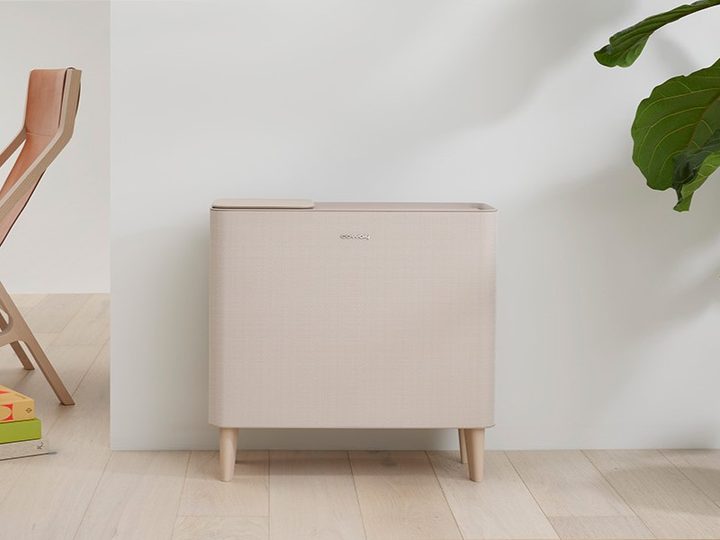
Summer is officially here, bringing with it warmer weather and long days spent outdoors. But summer also brings its fair share of air quality issues — including pollen, allergens, and wildfire smoke. That makes this a great time to add an air purifier to your home, ensuring your living spaces remain free of dust and debris that could exacerbate allergies or respiratory issues. And while air purifiers remain as popular as ever, smart air purifiers are continuing to grow more enticing each year.
Smart air purifiers are similar to traditional air purifiers, but they bundle in additional connectivity options. They also tend to be a bit more expensive. So, should you invest in a smart air purifier this summer, or can you save a few bucks with a traditional model? From pricing and features to performance and more, here’s everything you need to know before making a purchase.
What is a smart air purifier?

As mentioned above, a smart air purifier is essentially a standard air purifier with additional connectivity options. Some can be activated via voice commands, while others can sync with smart home platforms like Alexa to provide additional connectivity to the rest of your smart home. Almost all of them send smart alerts to your phone when changing conditions are detected.
In short, smart air purifiers are air purifiers that give users additional ways to interact with them. This contrasts with traditional air purifiers, as these can only be activated manually from the unit itself.
Do smart air purifiers work?

Yes, smart air purifiers can work wonders to clear your air, but performance varies by model. And because several lesser-known companies are churning out smart air purifiers, there’s a wide range of performance levels available on the market. Some smart air purifiers come from trusted brands like Coway, while others come from unknown brands sold via Amazon or other online marketplaces. The former are a welcome addition to most homes, but the latter might not be powerful enough to improve the air quality of your indoor environment.
The main thing to look for when shopping for a smart air purifier is a trusted brand (Coway, Honeywell, Dyson, Blueair) and the use of multiple filters. Air purifiers often use a combination of washable prefilters and replaceable HEPA filters. This setup is great for capturing large objects like hair and fur in the prefilter before eliminating smaller particles like allergens and dander with the HEPA filter.
Stick with traditional models?

While smart air purifiers from trusted brands are all but guaranteed to work as well as traditional air purifiers, they often carry inflated price tags. For example, the Coway Airmega 400 retails for $649, while the smart version of the air purifier, the Airmega 400S, retails for $749. Both products are virtually identical (offering similar designs and ratings based on room size), but the 400S adds support for Alexa, Google Home, and a companion mobile app.
Whether that’s worth an extra $100 will come down to the needs of each individual shopper, but most people will find the added features to be frivolous. This is because you’ll likely be running your air purifier all the time, meaning there’s little need for robust connectivity or quick access to customization options.
However, folks with sensitivities to pollen, wildfire smoke, or other airborne particulates could seriously benefit from a smart air purifier. These smart devices are built to send alerts to your phone as air quality changes, meaning they can help you take action and immediately improve air quality. Traditional models may not monitor as many particulates as smart air purifiers — and they may not send alerts.
For example, the Mila Air 3 is built with eight environmental sensors, allowing it to track not just AQI and particulates, but also VOC, humidity, temperature, carbon dioxide, and carbon monoxide. If any of these climb to unsafe levels, you’ll receive an immediate alert on your phone. From there, you can choose to ramp up the power to filter your air at a faster rate or decide if you need to crack a window to let in fresh air. This typically isn’t possible with traditional air purifiers, which may not offer smartphone connectivity and smart alerts.
In other words? Shoppers with sensitivities to changing air quality should strongly consider a smart air purifier. Their instantaneous feedback could result in serious improvements to your overall health, allowing you to take action to cleanse your environment from airborne particulates the moment they climb to troublesome levels. For everyone else, a traditional air purifier will work just as well — and they’ll save you a bundle of cash.