

Late in 2024, a comprehensive study published in the British Journal of Opthalmology claimed that “the global prevalence of childhood myopia is substantial.” Based on the current trends, it predicted that by 2050, the number of children and young people with near-sightedness issues will stand roughly at 740 million.
The trends are concerning, but at the same, the scientific community is also puzzled about the role of increasing screen exposure and how it affects our eye health. Well, it seems there is a relationship between daily screen time and the prevalence of myopic vision in users across the world.
As per a meta analysis published in the JAMA journal, there is a correlation between increasing screen time on a per-hour basis and the risks of myopia going up by 21% in users of smart devices such as phones and large-screen electronics.
Rising screen time ups the odds of myopia
The report, which analyzed over 45 studies covering over 0.3 million subjects, notes that there is a notable dose-response link between a person’s daily screen time — especially following a 1-hour increment — and their odds of developing myopia. “Myopia risk increased significantly from 1 to 4 hours of screen time and then rose more gradually thereafter,” claim the experts behind the study.

Notably, the risks of myopia increase significantly when we look at the combined effect of screen time from multiple devices (such as mobiles, computers, and TVs) compared to display exposure from only a single category of devices.
Moreover, “a significant association was observed” between myopia risks and rising screen time in all age groups, including 2 to 7 years, 8 to 18 years, and 19 years and older. Notably, the researchers found that the odds of near-sightedness increased if the daily screen time was more than 1 hour, but it slowed when the numbers went beyond four hours per day.
Moreover, a certain kind of safety threshold was observed if the daily screen time falls under the one-hour bracket. There are, however, a few cautionary aspects associated with the latest study, particularly when it comes to decreasing the risks of myopia.
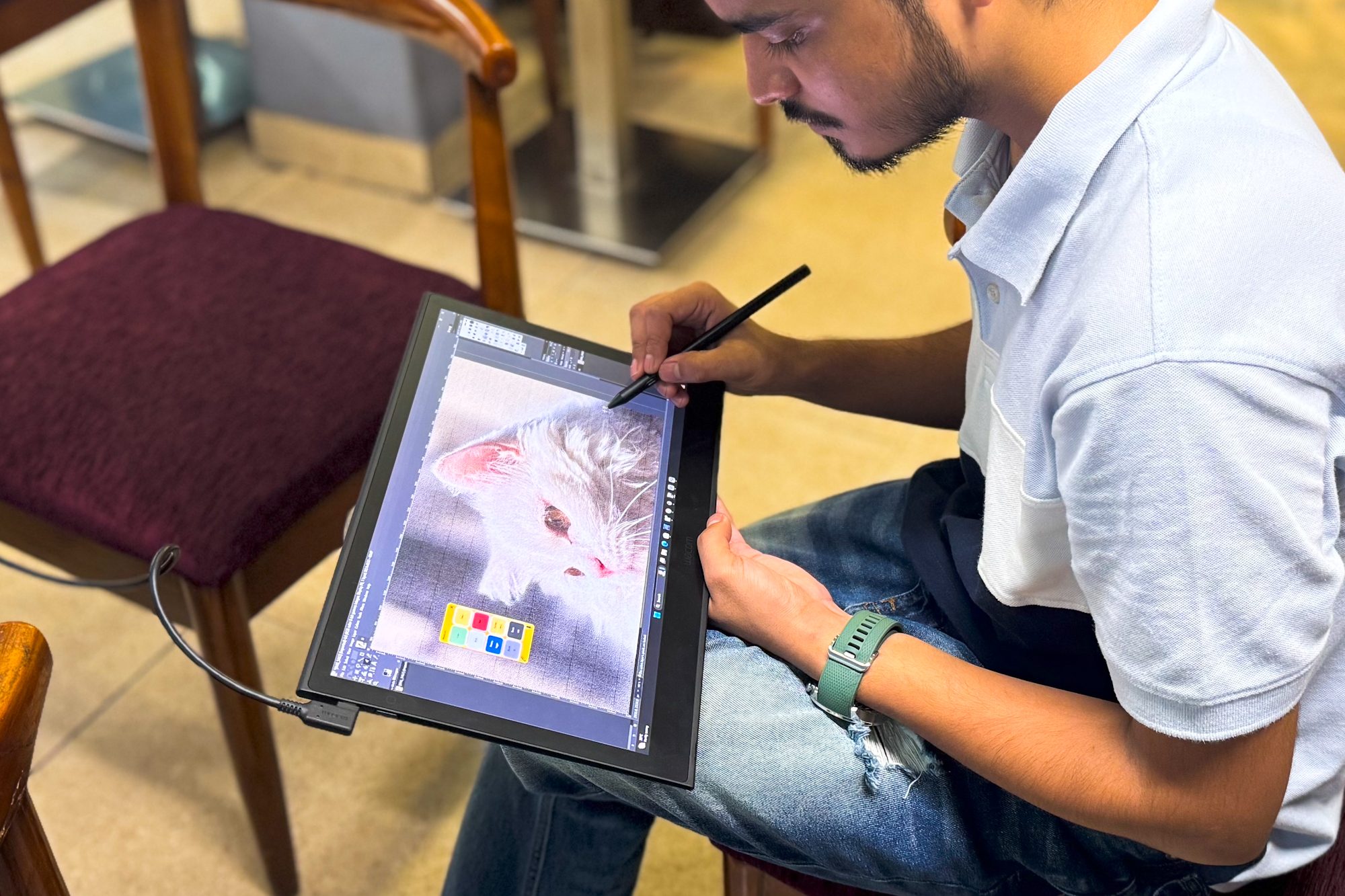
“Simply reducing screen time in favor of traditional near-vision activities may not be an effective prevention strategy,” the experts say. Instead, they recommend a hybrid approach where near-vision screen time numbers are reduced and the amount of time spent outdoor is increased.
Another study published in the Journal of Opthalmology in 2022 also highlighted the rise in myopia with a correlation based on exposure to screens, especially for near vision scenario. It is also worth nothing that myopia is not solely caused by staring at a screen for long time.
It is associated with lifestyle, environmental, and genetic factors, as well. Notably, another research published earlier in 2025 claimed that reducing screen time can yield better mental wellness results than anti-depressants.
So, how can a person control myopia risks tied to daily screen usage? Scientific research suggests spending more time outdoors can reduce the risk of myopia onset, but it is not conclusive. Solutions such as bifocal spectacle lenses, EDOF contact lenses, and orthokeratology lenses are linked with moderate reduction in the advancement of myopic vision.
Refractive surgery is another option, but the most promising strategy seems to be atropine solution for myopia control with the highest efficacy. The best approach, however, is to consult with a certified health care professional and find the apt solution for vision-related issues.


