1. Home
  2. Mobile
  3. Android
  4. Photography
  5. Legacy Archives

Forget phones, Android was almost a “smart camera” operating system

Add as a preferred source on Google
Samsung-Galaxy-Camera-EK-GC100-Review-main
Image used with permission by copyright holder

Speaking at the Japan New Economic Summit in Tokyo, Android co-founder Andy Rubin revealed that Android was originally supposed to be an OS for “Smart cameras.”

“The exact same platform, the exact same operating system we built for cameras, that became Android for cellphones,” said Rubin, according to PC World. Presenting slides from his original investor’s pitch back in April 2004, he showed how the Android team transitioned from a fancy webcam op to the mobile line we know today. Photos taken with the prototype camera would have been stored on a cloud known as the “Android Datacenter.”

Recommended Videos

Their pitch from five months later showed drastic changes, calling Android an “open-source handset solution,” playing up the connectivity, and playing down the camera angle.

Rubin explained: “We decided digital cameras wasn’t actually a big enough market – I was worried about Microsoft and I was worried about Symbian, I wasn’t worried about iPhone yet.” Apple wouldn’t be in the market until 2007, giving the team two years of direct competition with its principle players.  “We wanted as many cellphones to use Android as possible. So instead of charging $99, or $59, or $69, to Android, we gave it away for free, because we knew the industry was price sensitive,” he said. Last month, not even eight years later, they reached the 750 millionth online Android device.

Rubin, who recently stepped down as the Android team’s head, added, “I can pretty much guarantee you that whatever I do next it’s going to be something that delights consumers.”  

Saul Berenbaum
Former Digital Trends Contributor
Saul Berenbaum has been writing film and gaming reviews since college. Recently, he contributed to HardcoreDroid. Now he…
Snapchat Planets: What’s the order, and what do they mean?
Snapchat Planets turns your best friends list into a solar system, and yes, your orbit says a lot
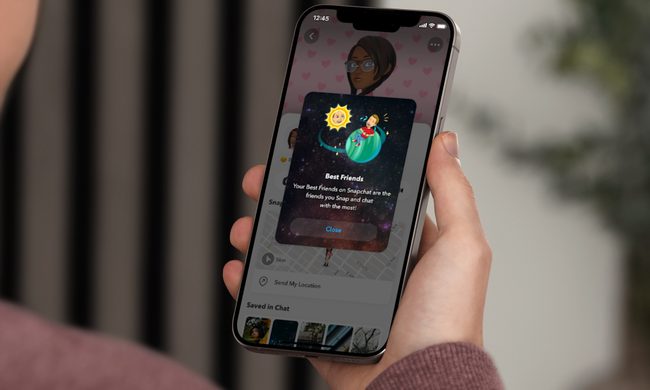
Snapchat Planets being shown on the Snapchat app on iPhone.

Snapchat is already packed with little symbols that can be weirdly hard to decode. You have streaks, emojis, badges, scores, Best Friends, and if you use Snapchat Plus, a tiny solar system that shows where you sit in someone’s closest-friends list.

The feature is called Friend Solar System, though most people just call it Snapchat Planets. It takes your position in a friend’s Snapchat orbit and turns it into a planet. From Mercury to Neptune, these celestial bodies signify how close a person is to you.

Read more
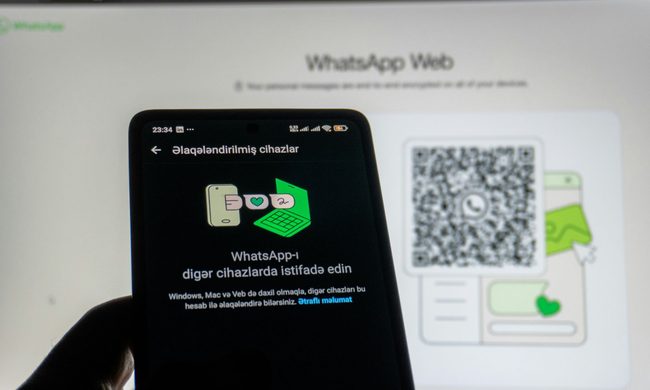
How to use WhatsApp Web
We'll show you how to use WhatsApp on your desktop or laptop
WhatsApp Web

As one of the most popular messaging services, you’ve already heard of WhatsApp. From its humble beginnings in 2009—two years before Apple introduced iMessage—to its acquisition by Facebook (now Meta) in 2014, WhatsApp has become the dominant messaging platform around the globe.

In recent years, it's grown even more potent with new features like video messages, self-destructing voice messages, the ability to edit sent messages, and more. We even finally got an WhatsApp iPad app in May 2025.

Read more
What is WhatsApp? How to use the app, tips, tricks, and more
From setting it up to mastering hidden features, here is your complete guide to WhatsApp.
Electronics, Phone, Mobile Phone

There's no shortage of messaging apps out there. The past decade has given us more options than we know what to do with, largely because smartphones demanded something better than plain old SMS.

Both the App Store and the Play Store are packed with apps that promise to revolutionize the way we communicate. Most of them didn't make it. The truth is, a messaging app is only as good as the number of people using it, and most apps never cross that threshold.

Read more