1. Home
  2. Mobile
  3. Photography
  4. Legacy Archives

Nokia may introduce Lytro-like camera on its Lumia phones

Add as a preferred source on Google
Pelican-Imaging-800x596
Image used with permission by copyright holder

We’ve said it before, and we’ll say it again: for so many smartphone users, the quality of the camera is one of the top features considered when deciding which device to purchase. And manufacturers are constantly trying to one-up the competition, coming out with new, innovative features to help retain, and draw in, customers.

Once the leader the pack, and working hard to make a comeback in a major way, Nokia is supposedly working on a way to take the lead in the smartphone camera world, according to an earlier report by Bloomberg.

Recommended Videos

As it is, the Finland-based company is already working on integrating a whopping 41-megapixel camera into its flagship Lumia phones. But this camera could potentially outshine even that. (Particularly since so many people argue that that so many megapixels are unnecessary in a phone’s camera.)

It appears that Nokia is investing in Pelican Imaging, a company that is working on array cameras, which uses multiple optics and combines them together to form a single image. It’s a process that isn’t all that much unlike what the Lytro camera does, except it’s, of course, much more slimmed down.

Not familiar with Lytro? It’s a camera that was introduced to the market late 2011 and completely changed the way people think about digital photography. Essentially, you point and shoot a photo, and then focus later. The camera captures all aspects of the image it’s taking, and lets you choose (and later change, if wanted) the area of focus, after the fact.

And this feature may be coming to Nokia phones down the road. (How great would that be, considering how many blurry images we all manage to take while quickly trying to snap a shot of something we stumble upon before it’s too late?)

Will it be enough to help put the mobile company back on top? Who knows? But for those that have stayed loyal to the brand, their mobile upload photos just may end up looking a whole lot better than they have.

Joshua Pramis
Spending a childhood engrossed in such technologically inspiring television shows like Voltron, Small Wonder, and Power…
Snapchat Planets Meaning: Order, Rankings, and How Friend Solar System Works
Snapchat Planets turns your best friends list into a solar system, and yes, your orbit says a lot
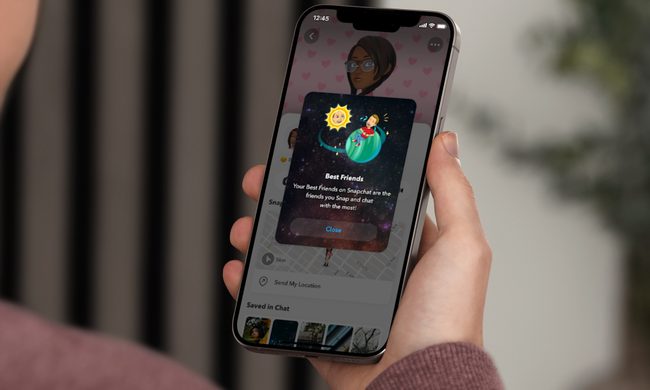
Snapchat Planets being shown on the Snapchat app on iPhone.

Snapchat+ includes several exclusive features, but few have generated as much curiosity as Snapchat Planets. Part of the app's Friend Solar System, it transforms your Best Friends list into a planetary ranking, assigning each of your top eight friends a planet based on how often you interact.

From Mercury, which represents your closest friend, to Neptune, which represents your eighth closest, the system offers a quick visual snapshot of your interactions. But what do the different planets actually mean, and how does Snapchat decide who gets which one?

Read more
How to use WhatsApp Web
We'll show you how to use WhatsApp on your desktop or laptop
WhatsApp Web

As one of the most popular messaging services, you’ve already heard of WhatsApp. From its humble beginnings in 2009—two years before Apple introduced iMessage—to its acquisition by Facebook (now Meta) in 2014, WhatsApp has become the dominant messaging platform around the globe.

In recent years, it's grown even more potent with new features like video messages, self-destructing voice messages, the ability to edit sent messages, and more. We even finally got an WhatsApp iPad app in May 2025.

Read more
What is WhatsApp? How to use the app, tips, tricks, and more
From setting it up to mastering hidden features, here is your complete guide to WhatsApp.
WhatsApp app store listing open on iPhone

There's no shortage of messaging apps out there. The past decade has given us more options than we know what to do with, largely because smartphones demanded something better than plain old SMS.

Both the App Store and the Play Store are packed with apps that promise to revolutionize the way we communicate. Most of them didn't make it. The truth is, a messaging app is only as good as the number of people using it, and most apps never cross that threshold.

Read more