  1. Home
  2. Mobile
  3. Android
  4. Computing
  5. Web
  6. Legacy Archives

35 percent of Google’s products are shut down

Add as a preferred source on Google
googlehatchet
Image used with permission by copyright holder

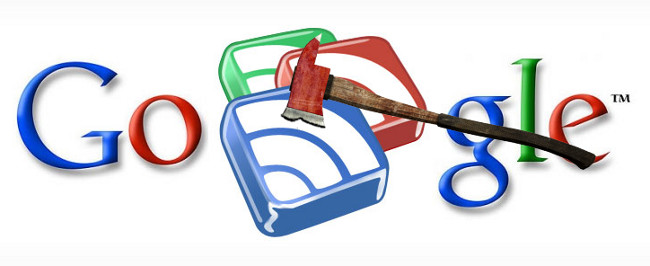
A new study has shown that more than a third of Google’s product line over the years has been shut down. According to Gwern.net’s immensely comprehensive study, a whopping 35 percent of Google products and services are shut down.

Gwern’s analysts tried to identify closure patterns, and gain a little bit of foresight into Google’s upcoming product line. And while they were shocked to find that one in three of Google’s ventures had folded, they did find a few commonalities between Google’s more successful ventures. Google’s ad products, more often than not, find their niche and stand the test of time. Most of its other directly profitable services work out pretty well, too. All told, totally in-house projects seem to get the team’s support most of the time. 

Recommended Videos

That ends up being bad news if you’re one of Google’s acquisitions, though. The 35 percent of the company’s products that fail were mostly picked up from other developers and publishers. Their social endeavors don’t fare too well either, but with the company’s ironclad adherence to Google Glass’s mandatory connection with Google+, don’t expect its flagship social network to be folding any time soon.

Google Reader is also shutting down this summer, further demonstrating the company’s faith in allowing its products to retire. The thing of it is, that in this industry, hardware and software is always being redesigned or repackaged, so it’s hard to fault the company for moving on, but it isn’t really offering loyal Google Reader users any alternatives. Product longevity isn’t as much of a factor for consumers as it once was (or Google, it would seem), but leaving the public to find themselves a reliable and trustworthy new alternative seems a little cold, no?

Saul Berenbaum
Former Digital Trends Contributor
Saul Berenbaum has been writing film and gaming reviews since college. Recently, he contributed to HardcoreDroid. Now he…
Snapchat Planets: What’s the order, and what do they mean?
Snapchat Planets turns your best friends list into a solar system, and yes, your orbit says a lot
Snapchat Planets being shown on the Snapchat app on iPhone.

Snapchat is already packed with little symbols that can be weirdly hard to decode. You have streaks, emojis, badges, scores, Best Friends, and if you use Snapchat Plus, a tiny solar system that shows where you sit in someone’s closest-friends list.

The feature is called Friend Solar System, though most people just call it Snapchat Planets. It takes your position in a friend’s Snapchat orbit and turns it into a planet. From Mercury to Neptune, these celestial bodies signify how close a person is to you.

Read more
How to use WhatsApp Web
We'll show you how to use WhatsApp on your desktop or laptop
WhatsApp Web

As one of the most popular messaging services, you’ve already heard of WhatsApp. From its humble beginnings in 2009—two years before Apple introduced iMessage—to its acquisition by Facebook (now Meta) in 2014, WhatsApp has become the dominant messaging platform around the globe.

In recent years, it's grown even more potent with new features like video messages, self-destructing voice messages, the ability to edit sent messages, and more. We even finally got an WhatsApp iPad app in May 2025.

Read more
What is WhatsApp? How to use the app, tips, tricks, and more
From setting it up to mastering hidden features, here is your complete guide to WhatsApp.
Electronics, Phone, Mobile Phone

There's no shortage of messaging apps out there. The past decade has given us more options than we know what to do with, largely because smartphones demanded something better than plain old SMS.

Both the App Store and the Play Store are packed with apps that promise to revolutionize the way we communicate. Most of them didn't make it. The truth is, a messaging app is only as good as the number of people using it, and most apps never cross that threshold.

Read more