With $1,300 in Temu-sourced batteries and a lot of determination, this dad of six—soon to be seven—built a custom solar system that powers his household of eight and protects his growing family from outages.
When a severe ice storm that swept through Northern Michigan in March 2025 knocked out power to Logan Edwards’ home for three days, his family was plunged into darkness and cold. With six children, a seventh on the way, and no backup power, the 35-year-old electrical engineer knew he needed a more reliable solution to protect his growing family.
“I’d been researching solar for years. A full DIY system would’ve cost more than $20,000,” said Edwards, who lives in rural Houghton County. “Every time I priced it out, it just didn’t make sense financially.”
The turning point came when a neighbor offered him a used solar array—complete with panels, inverter, ground mounts, and wiring—for just $3,000. But even after weeks of installing the system by hand, one crucial piece was still missing: battery storage.
Without batteries, Edwards couldn’t store excess energy for nighttime use or unexpected outages. And since his local utility doesn’t offer net metering, any unused power would simply go to waste.
That’s when Edwards turned to Temu, the online marketplace known for connecting consumers directly with affordable tools and components. He found a 15kWh battery pack for just $1,300—a fraction of what he had expected to pay.
“It was the missing piece,” he said. “Without batteries, the project wouldn’t have been possible.”
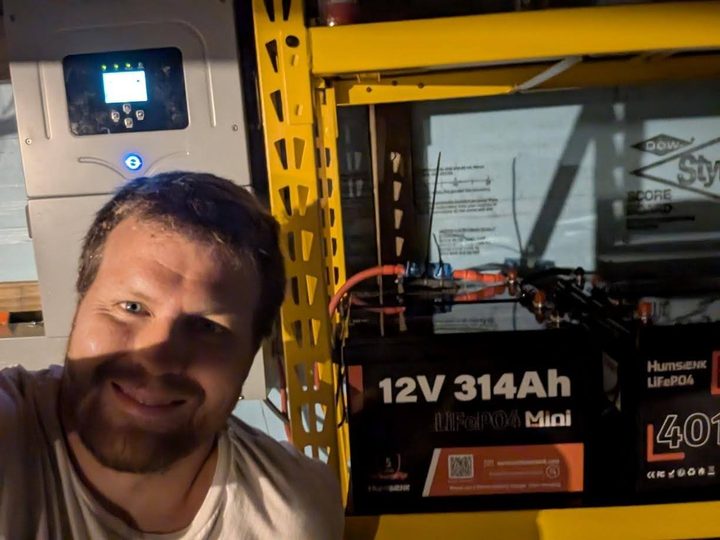
Over the next several weeks, Edwards logged more than 120 hours digging an 80-foot trench by hand and connecting the panels to the battery himself, maximizing savings at every step.
With the Temu-sourced batteries installed, the entire solar setup came in under $6,000—less than a quarter of the price of a comparable professional installation. According to Edwards, his monthly utility bill dropped from $203 to under $20, freeing up over $180 each month for essentials like groceries and fuel.
“Beyond the savings, it gives us peace of mind,” said Edwards. “We live in a place where power outages are common, and now I know my family won’t be left in the cold again.”
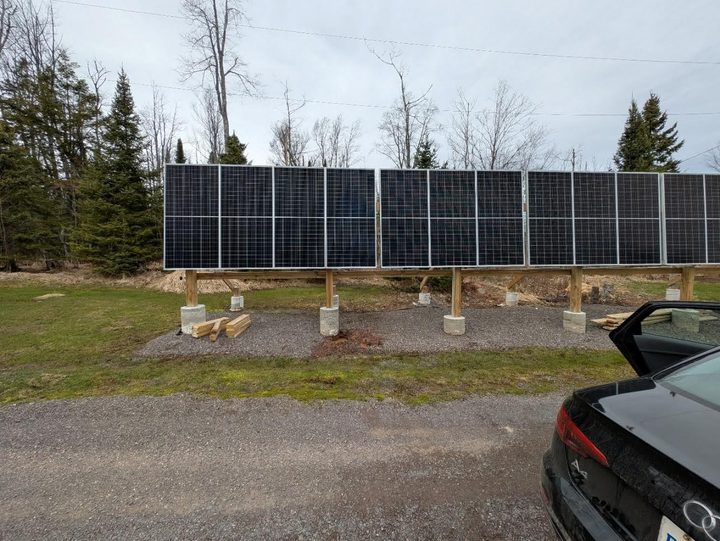
Edwards’ story reflects a broader trend among Americans to take energy resilience into their own hands. While professionally installed solar systems can cost up to $28,000, more people are embracing DIY solutions to lower costs and boost independence.
Platforms like Temu are playing a growing role in that shift. A recent Ipsos survey found that 40% of Temu shoppers are using the platform to support creative DIY projects.
Edwards is one of them—and he encourages others to consider the option.
“As long as you verify what you’re buying, Temu’s a great place to find what you need,” he said. “For families building on a budget, it opens the door.”