
Welcome to Digital Trends’ weekly recap of the revolutionary technology powering, connecting, and now driving next-gen electric vehicles.
You should soon be able to use your iPhone or Apple Watch to unlock, lock and start your Rivian. The automaker confirmed this much to MacRumors, which had spotted a signal of the feature’s activation in Apple Wallet (an app that lets you store sensitive info on your iPhone).
This might not be revolutionary stuff: Rivian was already offering a digital key via the Rivian app, following in the footsteps of Tesla, which first introduced the “smartphone as vehicle key” concept via the Tesla app back in 2017. And BMW was first to integrate Apple Car Keys in 2018.
But for hopeful Rivian fans, this adoption may be yet another sign of a much bigger development: That the Irvine, California automaker might eventually cave into their demands and integrate CarPlay, the popular interface that lets you access iPhone apps such as music and podcasts, phone and messages, and Google Maps.
Tesla parallel: Control vs. openness
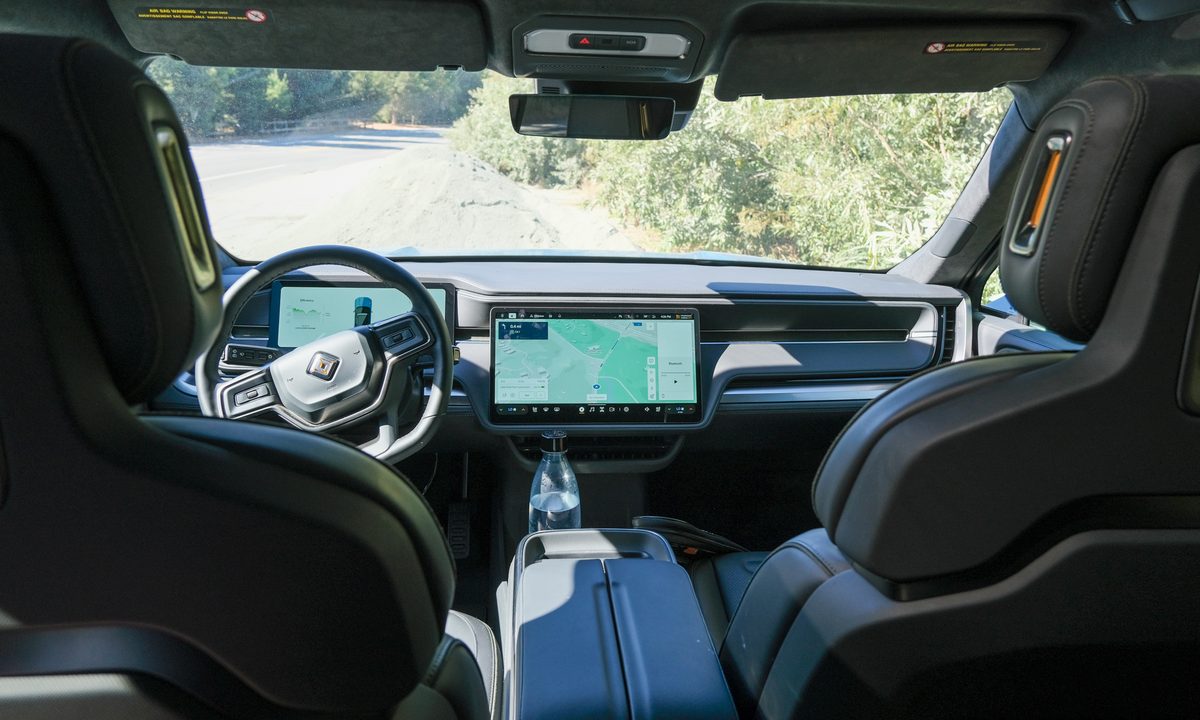
Much like Tesla, Rivian has so far resisted outside platforms like CarPlay and Android Auto to maintain control over a seamless user experience. For an automaker, owning the entire user experience also means controlling future paid services.
By many accounts, Rivian-designed sound systems are quite an impressive sensory experience.
Yet, while Rivian is known for keeping a tight border around its proprietary digital platform, it already opened the door a crack a year ago, when it integrated Apple Music with Spatial Audio in its vehicles.
Rivian is also known for listening to feedback from its customers: By adopting Apple Car Key, the EV maker is again showing that it’s willing to adapt.
Buyer expectations have shifted
According to Wards Intelligence, more than 90% of new cars globally support CarPlay or Android Auto.
Many users prefer them over a native infotainment system, with studies from McKinsey and J.D. Power showing that almost half of buyers would not even consider a vehicle without them.
In the face of this consumer demand, Tesla has refused to budge on the issue, whereas Rivian’s integration of Apple Music – and now Car Keys – is signaling flexibility. Will CarPlay be next?
Stellantis Backs Off Self-Driving
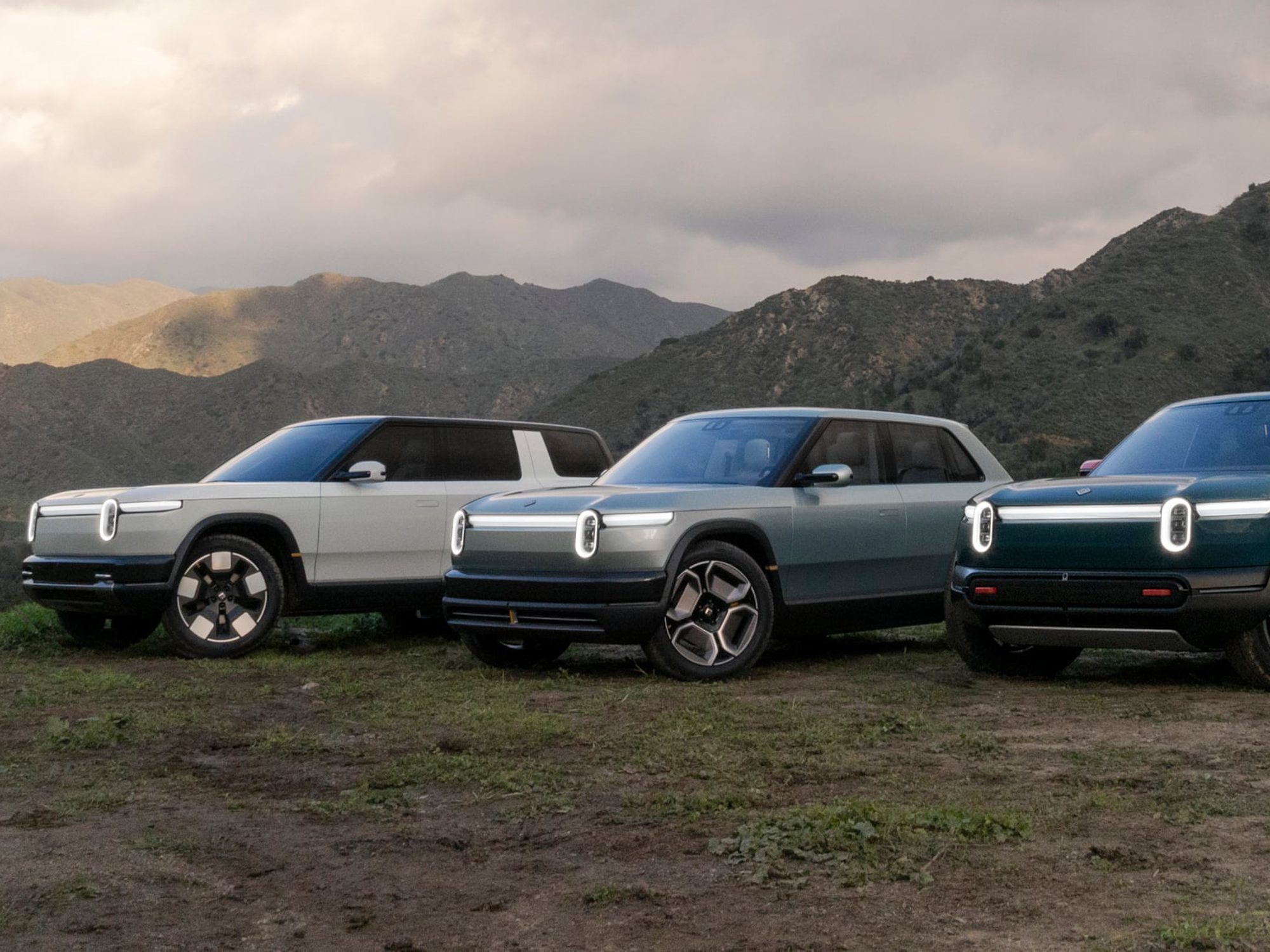
Rivian’s attention to customer and preferences was also displayed earlier this year, when the EV maker launched its “unmapped roads” feature: An advanced driver-assist system that lends a hand on highways but stops stops short of full autonomous driving. James Philbin, Rivian VP of autonomy says the company wants to “meet drivers where they are” and let them drive when they want to drive.
Now Stellantis, the parent company of Jeep, Ram, and Chrysler, is reportedly going even further. According to a report from Reuters, the automaker is no longer that interested in self-driving cars. Stellantis cited “limited demand” and the high costs for its Level 3 advanced driver-assistance program.
A recent AAA survey confirms that, while trust for self-driving vehicles slightly increased this year, 6 in 10 drivers in the U.S. are not comfortable enough to step into a self-driving vehicle. Interest in driver-assist systems remains high but most consumers prefer those over a fully driverless experience.
Consumer skepticism gets even worse when it comes to Tesla’s Full Self-Driving (FSD) technology: Nearly half of U.S. consumers think FSD should be illegal, according to a survey by the Electric Vehicle Intelligence Report.
Another finding from the survey: More than two-thirds of consumers want autonomous vehicles to be equipped with both LiDAR (a laser-light radar) and cameras, as featured in Waymo robotaxis. Only 3% support Tesla’s camera-only model.
Speaking of Waymo, the Alphabet robotaxi service has finally received a permit to test its autonomous vehicles in New York City. While a trained driver is required for the testing period, Waymo remains the undisputed robotaxi leader in the U.S., already delivering over 250,000 rides per week in California, Arizona, Texas, Florida and Georgia.
The bigger picture
There might be an overarching theme here: After years of hype, some automakers are adjusting their strategies to cater to what buyers actually want. Rivian is opening the door to Apple ecosystem, which might mean CarPlay integration is not so far into the future.
Stellantis, is shelving fully automated cars, as long as the public isn’t ready. Waymo, which has integrated safety features people actually want, continues to expand its robotaxi service.